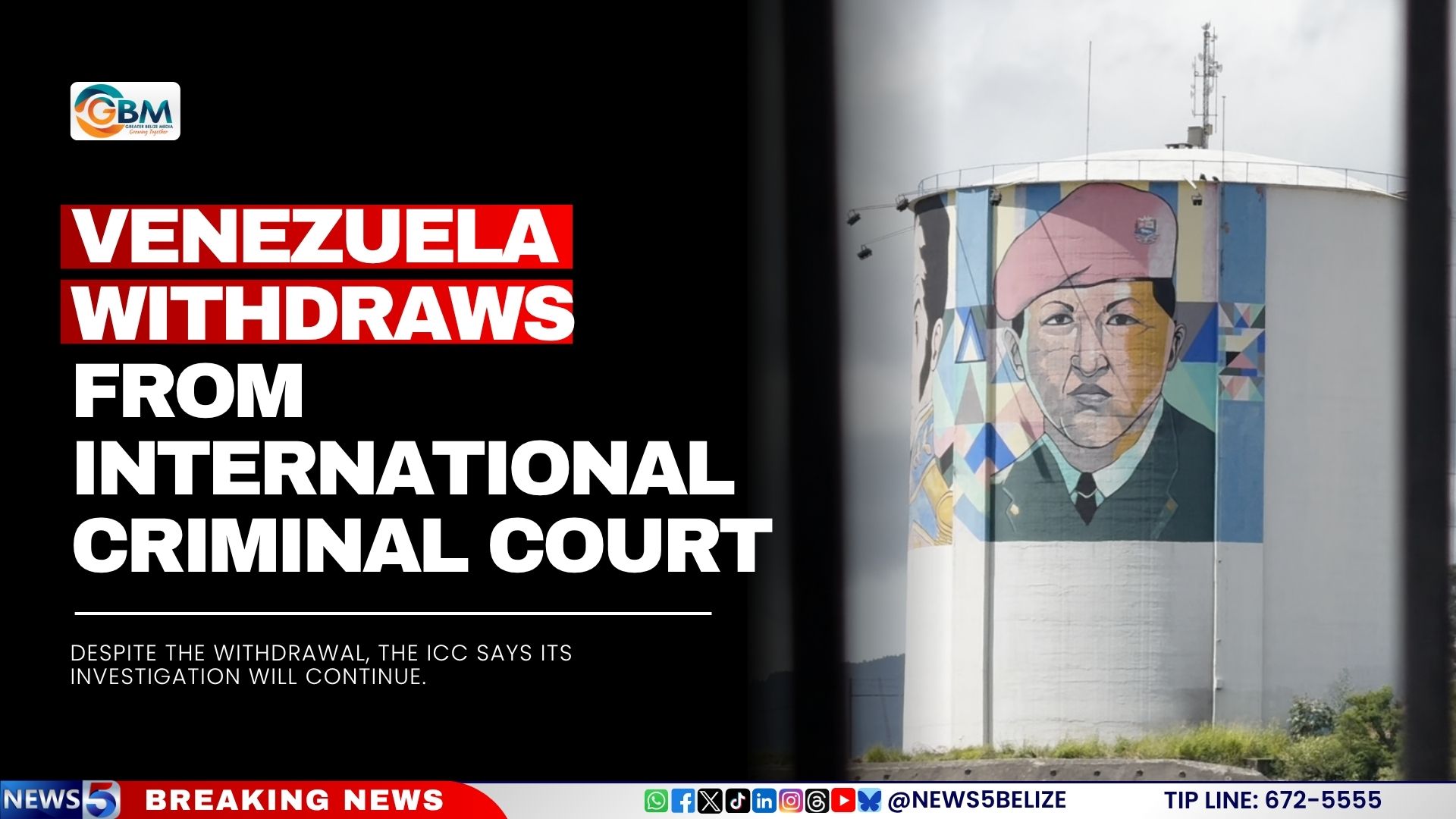
In a landmark move that deepens long-running rifts between the South American nation and the global justice body, Venezuela has formally notified the United Nations of its decision to withdraw from the International Criminal Court (ICC). Caracas has long accused the tribunal of systemic political bias, claiming it disproportionately targets sovereign nations in Africa and Latin America, a grievance that sits at the core of its departure.
Venezuelan Foreign Minister Felix Plasencia confirmed the withdrawal from the Rome Statute — the foundational treaty that established the ICC — in an official announcement, framing the step as a “firm and irrevocable” assertion of national sovereignty. Interim President Delcy Rodríguez echoed this criticism, arguing that the court has been fully politicized and weaponized to advance political agendas against her government.
The decision comes after more than half a decade of escalating tensions between Venezuela and the ICC. In 2021, the court opened a formal investigation into allegations of crimes against humanity that were purportedly committed during the Venezuelan government’s 2017 crackdown on widespread anti-government protests. Thousands of people who say they were victimized by the crackdown have already submitted sworn testimony to ICC investigators as part of the inquiry.
Even following Venezuela’s formal notification, the ICC has made clear that its ongoing investigation will proceed uninterrupted. Per the terms of the Rome Statute, a member state’s withdrawal only takes effect 12 months after the United Nations receives official notification, and it does not have the power to halt investigations that have already been launched before the withdrawal takes effect.
Human rights advocates have raised urgent concerns about the long-term implications of the move. They warn that Venezuela’s exit could create new barriers to holding senior government officials accountable for the alleged abuses at the center of the investigation, weakening prospects for justice for survivors.
The United States has publicly welcomed Venezuela’s decision, with the State Department repeating longstanding criticism that labels the ICC a “corrupt” institution. The U.S. has also issued a call urging all other ICC member states to follow Venezuela’s lead and exit the court. This position aligns with the stance taken by the Trump administration, which repeatedly attacked the court and worked systematically to curtail its global influence.
Legal analysts who specialize in international criminal law note that while the withdrawal is unlikely to disrupt the current investigation into the 2017 events, it will probably limit future cooperation between Venezuelan authorities and ICC prosecutors. This could hamper any additional inquiries or prosecutions that the court may pursue moving forward, creating new hurdles to justice in potential future cases.