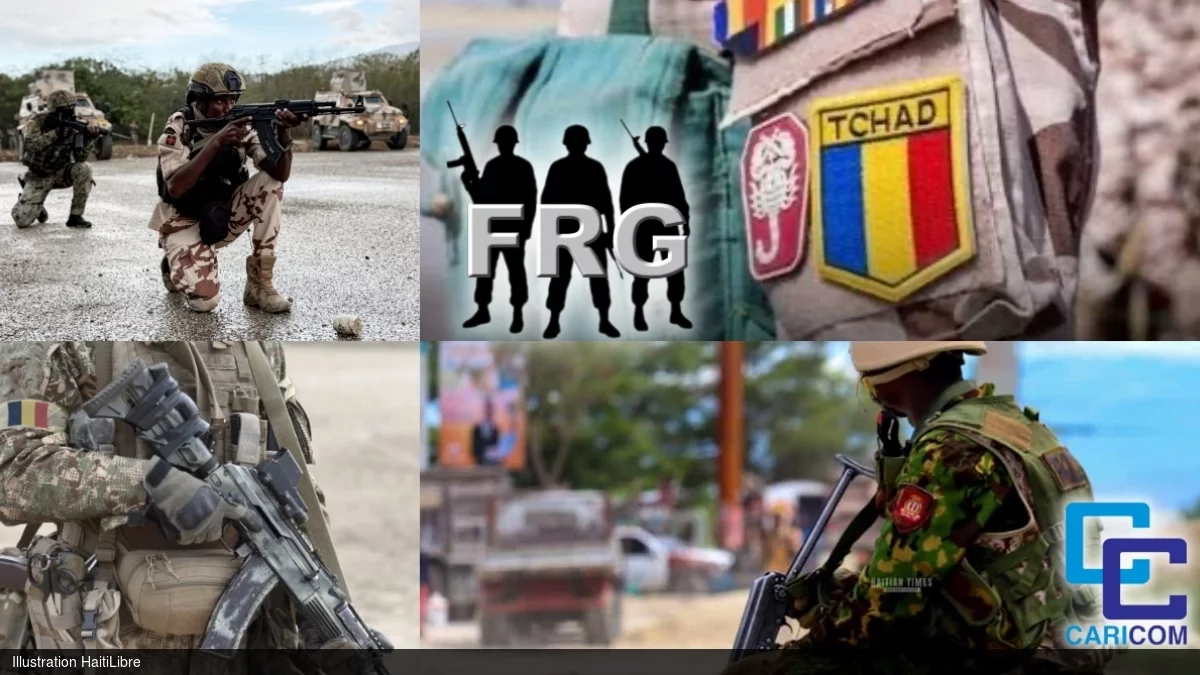
As Haiti moves forward with preparations for long-awaited democratic elections, the Caribbean Community (CARICOM) has formally petitioned the United Nations Security Council to extend the mandate of the multinational Gang Suppression Force (GSF), currently deployed to curb gang violence across the crisis-stricken nation.
Addressing the Security Council in a statement delivered by a Jamaican diplomatic representative, CARICOM emphasized that the GSF is far from reaching its full operational capacity. As of the latest update, less than 20 percent of the force’s planned total personnel have been deployed, and its current mandate is set to expire at the end of September 2026. Renewing the mandate, the regional bloc argued, is an indispensable safeguard to prevent a catastrophic collapse of security, which would open the door to widespread instability and state fragmentation.
First established under UN Security Council Resolution 2793, the GSF is a multinational security mission designed to reach a full strength of 5,550 uniformed personnel. Its core mandate is to disarm and neutralize the powerful armed gangs that have controlled large swathes of Port-au-Prince, Haiti’s capital, for years. Operating in close coordination with the Haitian National Police, the force works to secure critical state infrastructure and protect civilian populations from targeted violence and mass displacement. The mission was created to replace the earlier Kenya-led Multinational Security Support Mission (MSSM), which was hampered by small troop numbers and chronic underfunding that left it unable to address the scope of Haiti’s security crisis.
In its address, CARICOM acknowledged that incremental signs of progress have emerged on the ground in recent months, but warned that the overall security and humanitarian situation remains precarious. The bloc reaffirmed its deep concern over the ongoing multidimensional crisis that has crippled state institutions and left millions of Haitians in need of emergency assistance. It specifically highlighted the disproportionate impact of the crisis on Haiti’s most vulnerable groups, including women, girls and young people, who face heightened risks of gender-based violence, displacement and lack of access to basic services.
CARICOM also commended the Haitian government’s ongoing efforts to lay the institutional and security groundwork for free, fair and peaceful elections, in partnership with regional and international stakeholders including the United Nations, the Organization of American States (OAS) and CARICOM itself. Despite the significant challenges facing the country, the bloc stressed that holding timely democratic elections remains a top priority for restoring stability, and reaffirmed its unwavering commitment to supporting Haiti’s long-term goal of consolidated democratic governance and constitutional order.
Beyond security, CARICOM noted that regional leaders have reaffirmed their commitment to expanding humanitarian assistance to meet the ongoing acute needs of the Haitian people, even amid the modest improvements recorded in some areas. The bloc called for accelerated international stabilization efforts, including a sharp increase in global humanitarian funding and a push to speed up the full deployment of the GSF to all high-risk areas. It also urged global financial institutions and the wider international financial community to deepen engagement with the Haitian government and local stakeholders to build a foundation for long-term stability.
“Haiti deserves a future of peace, prosperity and democratic governance, a future deserving of every citizen in every country,” the statement concluded.