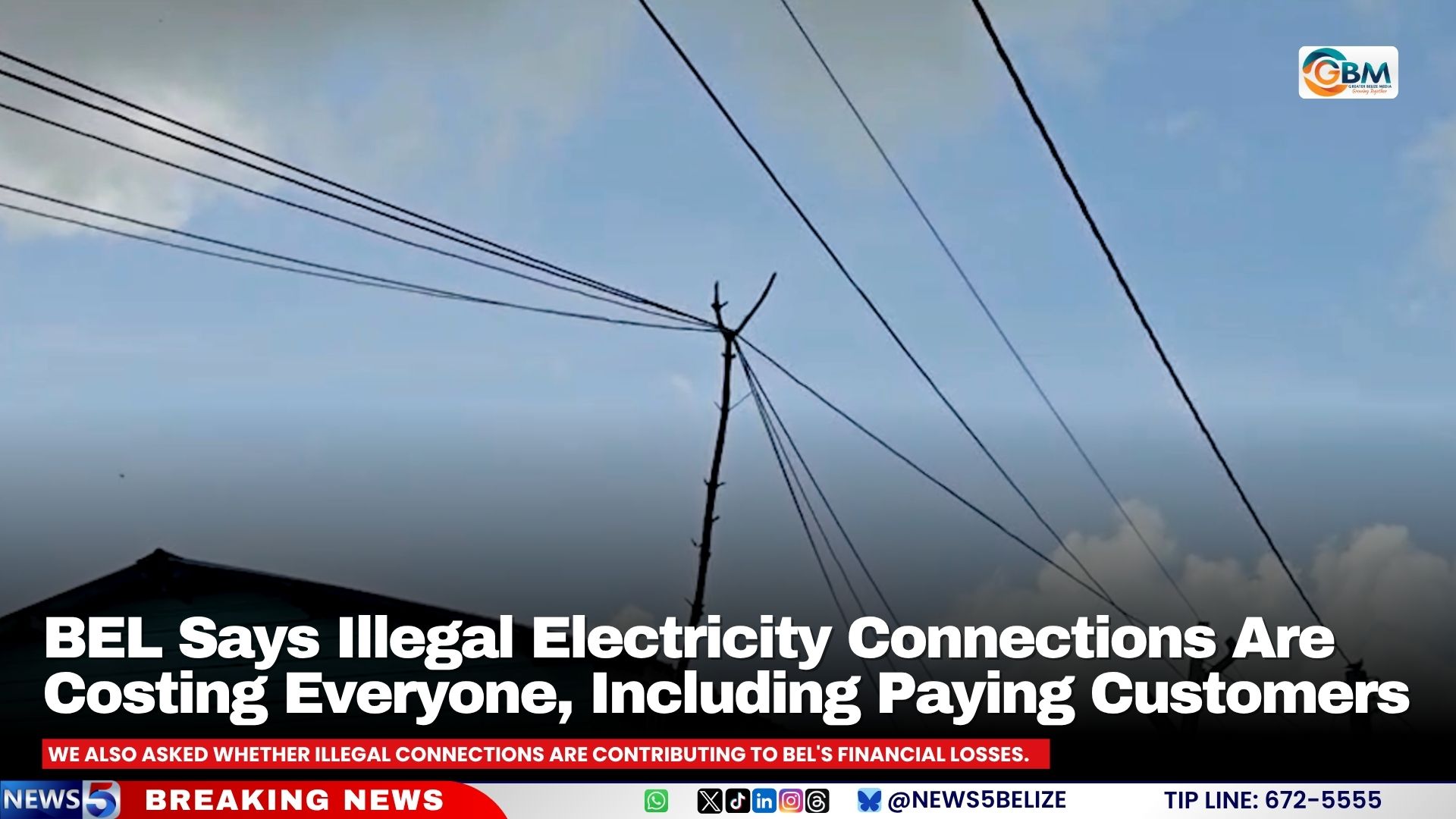
Belize’s primary power utility provider, Belize Electricity Limited (BEL), is sounding the alarm over a pervasive and growing crisis of unauthorised power connections that are endangering communities across the country and shifting unfair costs onto law-abiding customers. What is often framed as a low-impact, victimless offense is in fact a multifaceted problem that creates urgent safety risks and systemic financial strain for both the utility and the public it serves.\n\nAcross every district in Belize, unauthorised power lines and tampered utility meters are siphoning energy from the national power grid, draining resources that would otherwise serve formal, paying customers. In high-risk communities, the makeshift wiring that powers these illegal connections is often strung through tree branches or left completely exposed in low-lying, flood-prone regions. This shoddy, unregulated infrastructure puts nearby residents at constant risk of fatal electrocution and devastating electrical fires, turning a hidden financial crime into an immediate threat to public safety.\n\nMaking the problem even harder to address is its constantly shifting nature: as enforcement teams target illegal connections in one area, offenders simply move their operations to another district. This cat-and-mouse dynamic has driven up the cost of crackdowns for BEL, making it increasingly difficult for the utility to get ahead of the crisis.\n\nIn an interview with News Five, BEL Executive Chairman Lynn Young acknowledged the company’s deep concern over the growing scale of electricity theft across the country, confirming that the issue is a top corporate priority for the utility. Young declined to share specific details of BEL’s enforcement strategy publicly, noting that tipping off potential offenders would only allow them to relocate before crackdown operations can be completed.\n\nYoung also confirmed that unauthorised connections create substantial annual financial losses for the utility, costs that do not simply disappear from the company’s balance sheet. Unpaid for energy drives down BEL’s bottom line, and the increased operational and enforcement costs associated with addressing the crisis ultimately creates pressure to raise electricity rates for all customers. “The cost doesn’t just disappear,” Young explained. “It affects BEL’s bottom line and, by extension, everyone else. Keeping the lights on under those conditions drives up costs, which in turn pushes BEL toward requesting higher rates.”\n\nThis is not a new challenge for BEL. As far back as 2022, the company reported losing thousands of dollars each year to illegal power connections. At that time, BEL expressed willingness to regularise power access for households in underserved communities that relied on unauthorised connections, but cited inadequate grid infrastructure in these areas as a major barrier to formalising service. Today, the problem has grown more persistent, putting renewed pressure on the utility to curb theft and protect the interests of its paying customer base.
BEL Says Illegal Electricity Connections Are Costing Everyone, Including Paying Customers