A landmark collaboration between the Barbados Police Service (BPS) and the University of the West Indies (UWI) has reached a historic milestone, graduating its first group of formally accredited crime scene investigators – a development set to elevate evidence handling protocols and reinforce the judicial readiness of the island nation’s policing efforts.
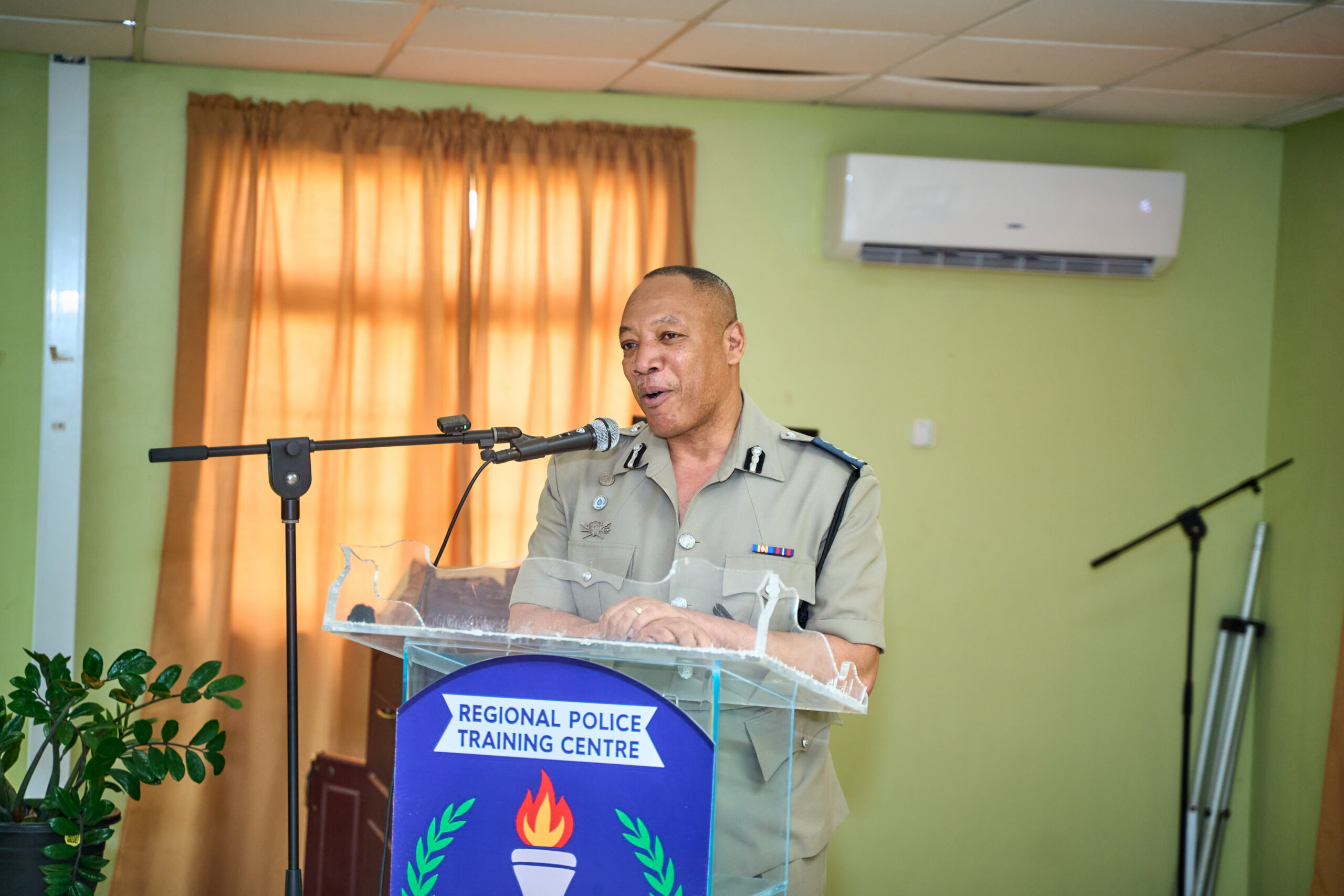
The newly launched Basic Crime Scene Investigation and Management programme, the product of this cross-sector partnership, marks a major step forward in boosting the professional standards of law enforcement in Barbados, according to Deputy Commissioner of Police (DCP) Adrian Broomes. Speaking at the graduation ceremony held at the Regional Police Training Centre, Broomes emphasized that the initiative reflects the police force’s ongoing commitment to nurturing highly skilled investigative personnel equipped to meet the complex demands of 21st-century policing.
Over the course of the intensive training programme, participants mastered a comprehensive curriculum covering every critical domain of modern crime scene work. Core modules included crime scene logistics management, scene preservation protocols, detailed evidence documentation, trace and biological evidence collection, traffic collision investigation, latent fingerprint development, DNA evidence handling, forensic photography, digital and electronic evidence processing, ballistics fundamentals, and best practices for presenting evidence in judicial proceedings. During the ceremony, DCP Broomes presented the top graduate award to Sergeant 1364 Roz’Marie Ward-Waterman. (Photo Credit: Shamar Blunt)
Broomes noted that these covered skills form the foundational backbone of contemporary policing and functional criminal justice systems. Reminding graduating investigators of the weight of their public mandate, he stressed that law enforcement personnel are entrusted with three core responsibilities: serving the Barbadian public, safeguarding local communities, and conducting all investigative work with unwavering integrity, impartiality, respect for individuals, and steadfast adherence to the rule of law.
Public trust in policing, Broomes added, hinges entirely on the ability of investigative work to withstand rigorous judicial scrutiny. “Every crime scene is unique, each holding its own critical narrative that can make or break a case,” he said. “But regardless of the circumstances, our methods must be consistent, rooted in cutting-edge practice, and above all, completely beyond reproach.”
Reflecting on the programme’s incremental growth, Broomes explained that the training initiative began as an internal BPS effort in 2021, expanding gradually through successive training cohorts before this year’s milestone. “This is our third iteration of the course, and it stands as a significant historic milestone because it represents the first formal collaborative effort with the University of the West Indies,” he said.
Far from being a merely symbolic partnership, the collaboration merges frontline operational policing expertise with UWI’s established academic excellence, with the goal of cultivating investigators who are not just practicing officers, but also lifelong learners equipped to integrate academic research, theoretical frameworks, and evidence-based practices into their daily work, Broomes explained.
The formal partnership with UWI demonstrates the BPS’s firm commitment to investing in its workforce, elevating professional standards across the force, and strengthening its ability to serve the public with integrity, he added. “By aligning our training with the University of the West Indies, we are affirming that policing is not just a vocation – it is a professional discipline rooted in rigorous knowledge, ethical practice, and continuous professional development,” Broomes said.
Looking ahead, Broomes expressed optimism about the future of the partnership, noting that transformative progress consistently emerges when frontline law enforcement and academic institutions collaborate. He added that he anticipates more expansive and impactful joint initiatives between the BPS and UWI in the coming years.