Across Barbados, as national initiatives to boost youth literacy gain momentum, experienced education professionals are sounding the alarm over a critical gap in support for students with neurodiverse and learning difficulties, calling for targeted investments in specialized teacher training to meet growing community need.
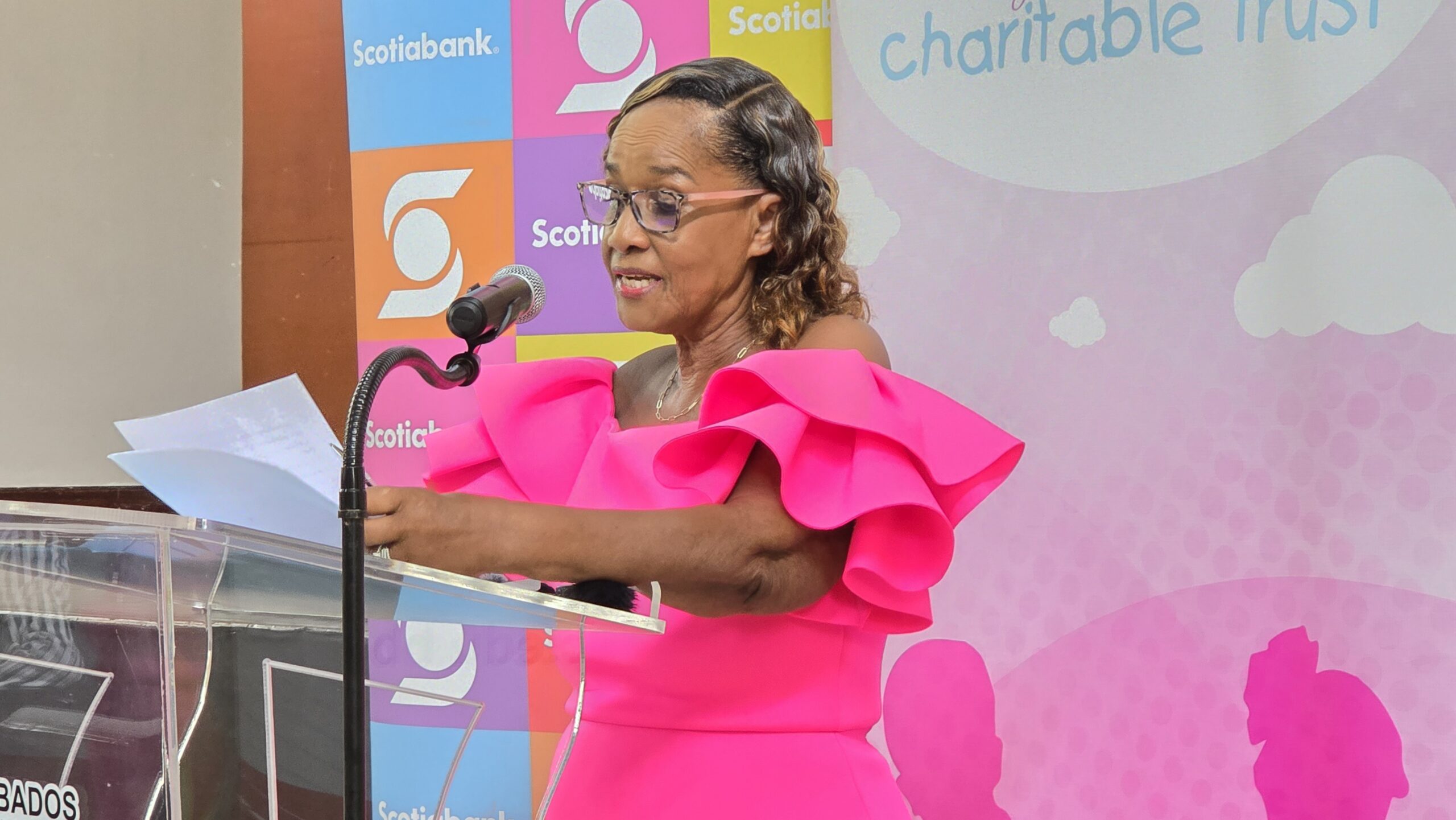
Dr. Astra Babb, a long-serving educator and founder of the respected Astra Babb Reading Clinic, made the case for expanded support Monday as she officially opened a five-week summer literacy intervention program at Barbados Community College. In an interview with Barbados TODAY, Dr. Babb explained that while most pre-service teacher training programs prepare educators to work with neurotypical learners, they rarely provide the deep, specialized instruction required to support students with learning differences and exceptionalities, including autism spectrum disorder.
“Most teachers do not receive comprehensive training on how to adapt instruction for autistic children,” Dr. Babb noted. “Historically, teacher training programs have centered almost entirely on the needs of the typical learner, though I have received promising reports that the government is now rolling out new programs to help educators build these critical skills.”
The growing urgency for expanded specialized support is underscored by rising demand for formal examination accommodations across Barbados’ education system. Data from the recent Barbados Secondary School Entrance Examination shows 240 requests for special consideration this year alone, a marked increase from 194 requests in 2023 and 183 the year prior.
Juanita Brathwaite-Wharton, a senior psychologist with the Ministry of Education’s Student Support Services Division, previously told Barbados TODAY that this upward trend is not a sign of more learning difficulties overall, but rather reflects growing awareness among parents and educators of the needs of neurodiverse students. More families are now seeking formal psychological assessments to clarify their child’s learning profile and identify targeted supports that help them thrive academically and socially, Brathwaite-Wharton explained. Following those assessments, parents are increasingly advocating for accommodations both during high-stakes examinations and in daily classroom instruction.
Brathwaite-Wharton has also echoed calls for expanded ongoing professional development for teachers, pointing out that every classroom in the country serves students with a wide range of diverse learning needs that require flexible, specialized approaches.
Dr. Babb emphasized that students with learning differences process information differently than their neurotypical peers, requiring specialized instructional strategies and trained educators to unlock their full potential. “These children need tutors who understand how their brains learn, because cognitive function works differently than it does for the typical child, so educators must be equipped with specific skills to meet them where they are,” she said.
She welcomed the government’s reported plans to expand specialized training opportunities for current and future teachers, noting that these investments will directly strengthen the entire education system’s ability to serve every student, regardless of their learning needs.
The unmet demand for targeted learning support is clearly visible in the overwhelming response to Dr. Babb’s annual summer reading program. Originally designed to cap enrollment at 100 students, the clinic was forced to expand the cohort to 130 to accommodate last-minute requests, with parents still reaching out Monday morning to secure spots even after the program hit its new capacity limit. “I originally set the cut-off at 100, but right now we are at 130, and that’s all we can take,” Dr. Babb said.