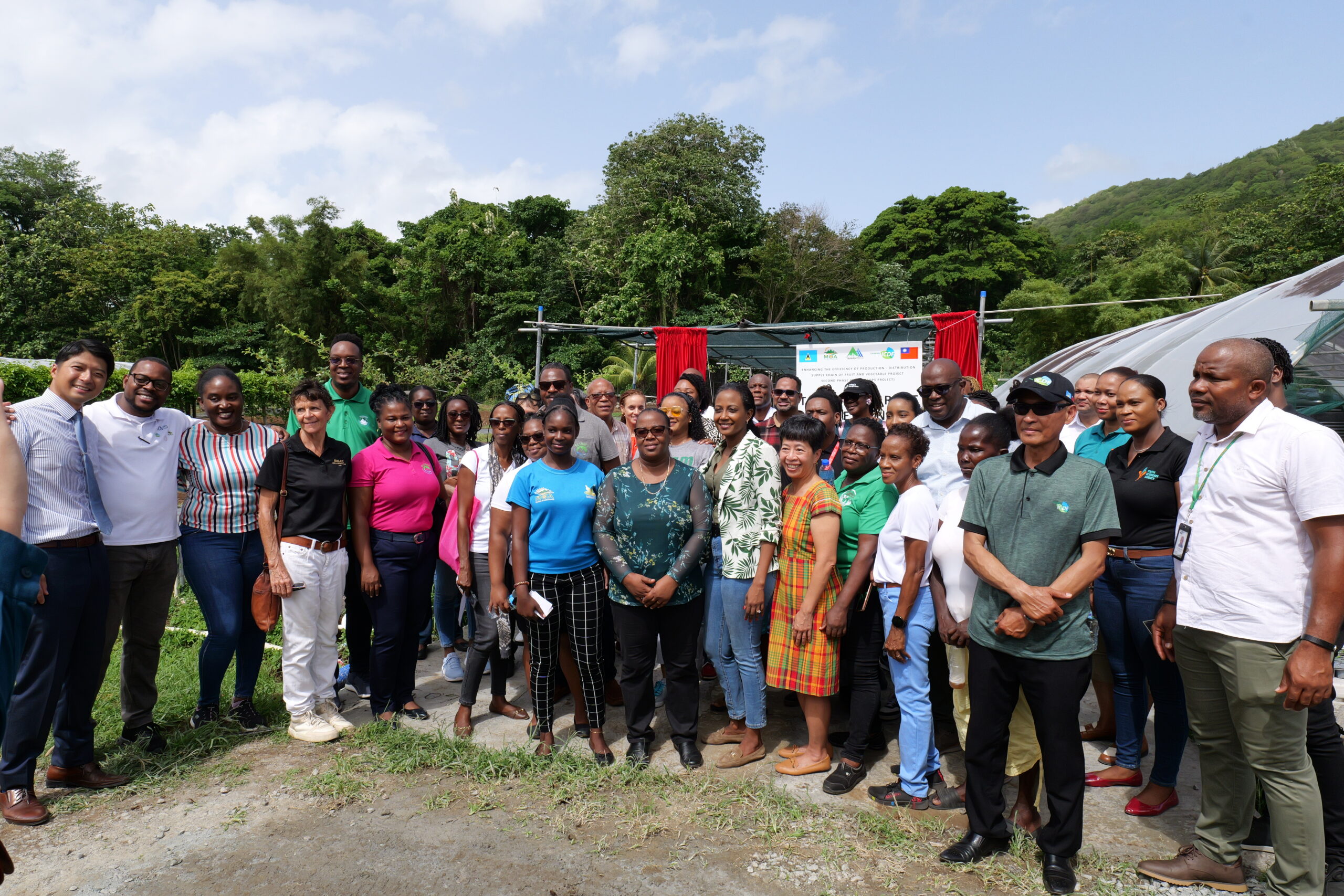
The Caribbean island nation of Saint Lucia is positioning dragon fruit as a cornerstone of its evolving agricultural strategy, following the official launch of the country’s first specialized dragon fruit nursery in Union, Castries. The new facility, opened Friday by the Ministry of Agriculture in partnership with the Taiwan Technical Mission, forms a key component of the government’s broader Seven Crops Project, an initiative designed to revamp the nation’s agricultural sector for modern challenges. The nursery will address a critical gap in local production by supplying farmers with standardized, high-quality planting material, as the government actively encourages greater adoption of this high-value, climate-adaptable crop.
Aldine Eudovic, national coordinator for the Seven Crops Project, explained that the new nursery is far more than an isolated investment in a single crop—it is a core piece of a long-term strategy to diversify Saint Lucia’s agricultural output and build greater systemic resilience against the accelerating impacts of climate change. “This is not just a standalone effort to expand dragon fruit cultivation,” Eudovic noted. “It is one of many targeted initiatives we have rolled out under the Seven Crops Project to strengthen our agricultural portfolio.”
Eudovic added that dragon fruit was selected for prioritized development due to its unique hardiness, which allows it to thrive in growing conditions that leave many of the island’s traditional staple crops struggling. As a member of the cactus family, dragon fruit grows successfully on marginal, low-fertility lands that are unsuitable for most conventional crops. This trait aligns perfectly with the Ministry of Agriculture’s climate action goals, which have shifted toward encouraging adoption of non-traditional, drought-tolerant crops that can withstand rising temperatures and shifting rainfall patterns.
Beyond its climate benefits, dragon fruit also fills a rapidly growing unmet market demand on the island. Eudovic explained that Saint Lucia’s key hospitality sector has expressed overwhelming interest in sourcing local dragon fruit, with current demand far outstripping the volume that small-scale local producers can currently supply. “Hotels have been reaching out in droves for this product,” she said. “Tourists are eager for unique, fresh tropical produce grown right here in Saint Lucia, and the hotel sector is eager to meet that demand.”
While Saint Lucia has never imported dragon fruit, only a small number of local farmers have grown the crop on a small scale for years. The government’s new initiative aims to accelerate commercial-scale production by distributing subsidized high-quality seedlings and providing dedicated technical guidance to farmers looking to add dragon fruit to their operations. Eudovic also pointed to another key economic advantage of the crop: its extended shelf life makes it an ideal candidate for export to regional and international markets, opening up new revenue streams for local producers.
Agriculture Minister Lisa Jawahir framed the opening of the nursery as a milestone in the government’s ongoing push to modernize Saint Lucia’s farming sector. “Dragon fruit is the perfect symbol of resilience,” Jawahir said in remarks at the opening. “It thrives where many crops struggle, reminding us that with innovation and climate-smart agriculture, we can turn our greatest challenges into economic opportunities.”
In addition to dragon fruit seedlings, the new nursery will also supply farmers with quality guava seedlings, giving producers more options to diversify their crop portfolios and tap into growing market demand for both specialty tropical fruits. Jawahir also emphasized the strategic opportunity to strengthen ties between the island’s agricultural sector and its core tourism industry. “There is no reason that authentic Saint Lucian agritourism experiences shouldn’t feature premium dragon fruit and guava grown right here on our soil,” she said. “By connecting our agriculture sector to our tourism industry, we create new, stable income streams for our farmers, cut unnecessary import costs, and strengthen our overall national economy.”
Expanding local production of high-demand fruits like dragon fruit forms part of the government’s broader national goal to cut Saint Lucia’s multi-million-dollar annual food import bill, while creating inclusive new income opportunities for smallholder and commercial farmers across the island. To lower barriers for adoption, participating farmers will be able to purchase dragon fruit seedlings from the nursery at a heavily subsidized, reduced rate.