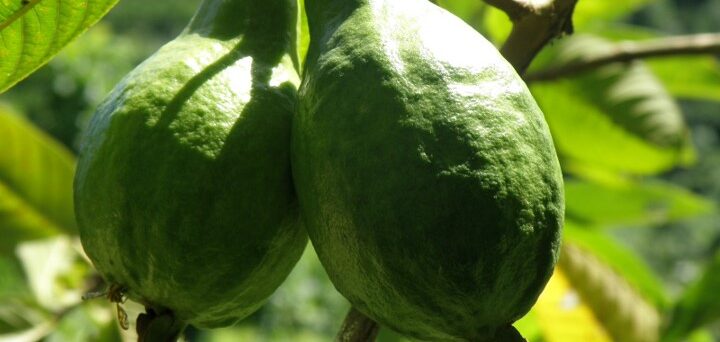
Across the Caribbean island of Dominica, the common guava (scientific name *Psidium guajava*) is far more than just a beloved local fruit—it is woven into the fabric of the island’s cultural traditions, ecological systems, culinary practices, and childhood memories, holding a unique place in Dominican life that few other native plants can claim.
Guava trees exhibit natural diversity in their produce: fruits grow in three distinct shapes—round, oval, and the pear-like “long-necked” form that is a popular hybrid variety. Interestingly, trees that once produced pink-fleshed guavas can spontaneously shift to bearing white-fleshed fruits over time. Grafted commercial varieties grow to roughly the size of a small grapefruit, while the pre-Hurricane Maria Botanic Gardens long hosted a thriving stand of the distinctive long-necked cultivar that was a local landmark.
Ecologically, guava trees support Dominica’s native wildlife in critical ways. When the trees bloom, honeybees and butterflies flock to their flowers to collect nutrient-rich nectar, while ripe fruits become a vital food source for frugivorous bats and a wide range of native small birds, forming a key link in the island’s tropical food web.
Culturally, the guava has been immortalized in Dominican folk music. In the early 1970s, renowned local songwriter Jean Lawrence referenced the fruit’s iconic sweet aroma in the popular folk track *Tout Sa Andan’y* performed by Siffleur Montagne, with lyrics comparing the scent of ripe guava and pineapple to life’s simple pleasures.
In Dominican kitchens, guava is a staple ingredient that shines in countless beloved recipes. For generations, families have turned ripe guavas into refreshing, ice-cold juice enjoyed with breakfast or lunch, and transformed the sweet, tangy fruit into rich guava cheese, silky jelly, thick jam, and flaky guava tarts. Guava-flavored ice cream also remains a perennial favorite treat for locals and visitors alike.
Beyond the kitchen, guava plays a longstanding role in Dominican traditional herbal medicine. An herbal tea brewed from young guava leaves is a widely used home remedy for diarrhea, valued for its ability to calm upset stomachs and soothe irritated intestinal tracts.
For generations of Dominican children, guavas were more than food—they were raw materials for endless imaginative play. Unripe small green guavas served as homemade marbles, while half-ripe fruits were carved into rubber tires for hand-built toy cars, which were often framed from empty cocoa pods or repurposed plastic bottles. Ripe guavas were hollowed out and shaped into tiny play baskets, bowls, and calabash containers that children could snack on after finishing their games. Older boys even mimicked adult men by rolling large guava leaves into tight, sun-dried “pretend cigarettes” to smoke during play. Dense guava wood was also carved into spinning tops for traditional top games, while mature guava branches and stems were processed by adults into high-quality cooking charcoal. Even the tree itself offers a valuable community benefit: with its broad, umbrella-shaped canopy, a mature guava provides cool, welcome shade on hot, sunny days. A fruiting guava tree at the Dominica Botanic Gardens still acts as a popular informal gathering spot, offering free snacks and a cool rest stop for visitors.
Guava also contributed to traditional body care practices before modern personal care products became widespread on the island. Dominican grandmothers recall that fine ground guava charcoal and soft guava twigs were used as a homemade tooth-cleaning tool: one end of a small twig was pounded with a stone to soften it, then used to scrub teeth and clean between teeth, just as a modern toothbrush does.
The fruit’s cultural significance is even reflected in local business: for decades, one of Roseau’s most popular downtown dining spots was named Guiyave Restaurant, after the local word for guava. Patrons could enjoy a filling local meal on the restaurant’s veranda while watching street life unfold below.
Dominica is also home to a second guava species, *Psidium cattleyanum*, commonly known as cherry guava. Though many locals mistakenly call it “guava cherry” due to its small, cherry-like appearance, it is a true guava rather than a member of the cherry family. Two cherry guava varieties grow on the island: the widespread red cherry guava and the less common yellow variety. Visitors curious to try something new can seek out cold bottles of sweet cherry guava juice from local street vendors, for a uniquely Dominican taste experience.