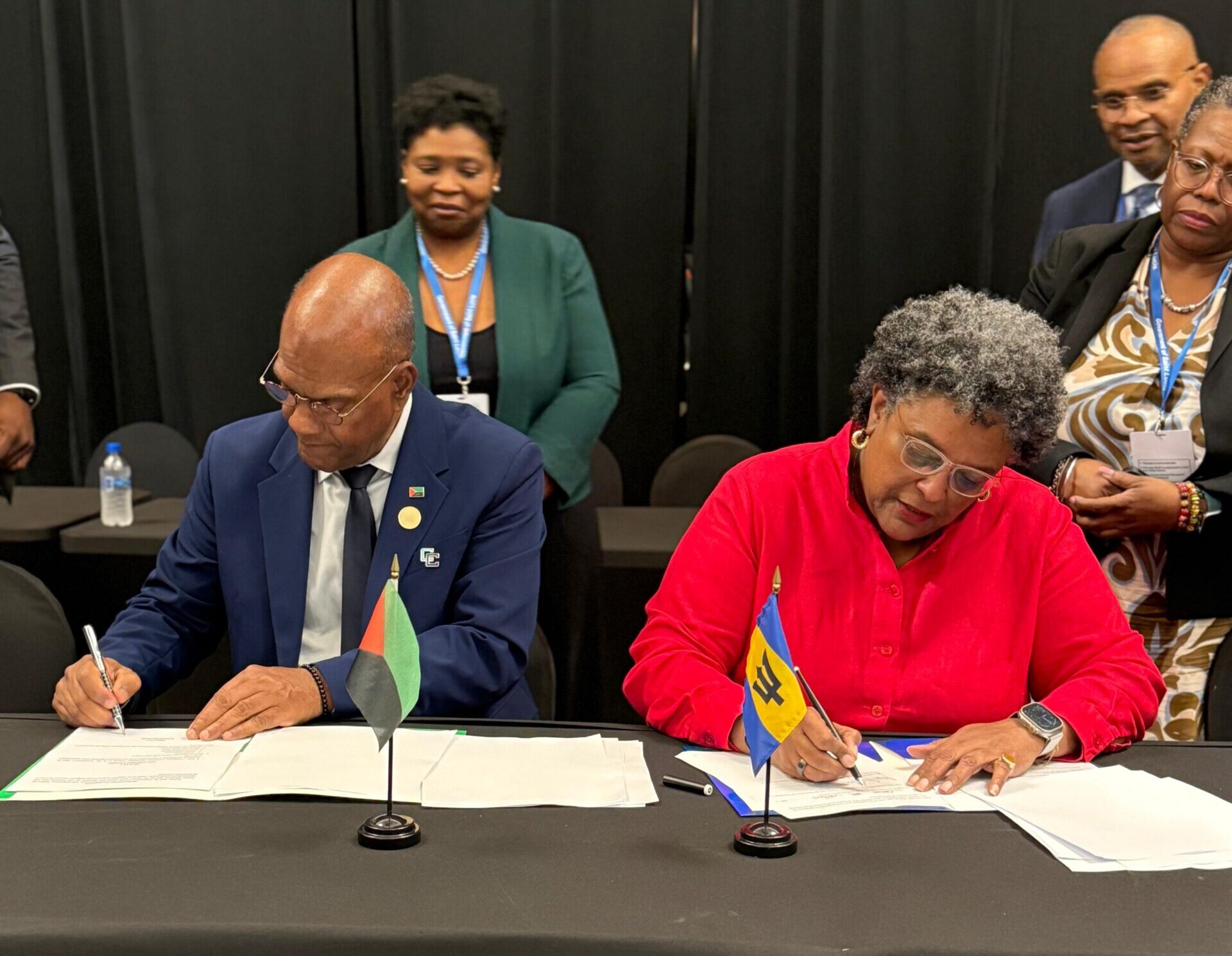
On July 7, on the sidelines of the CARICOM Summit, a landmark cooperation agreement was formalized between Barbados and Martinique, signed by Barbadian Prime Minister Mia Mottley and Serge Letchimy, President of Martinique’s Executive Council. This signing represents far more than a routine bilateral pact: it cements a pivotal political milestone that redefines Martinique’s role as an active, fully committed stakeholder within its inherent regional home, the Caribbean.
For the Territorial Collectivity of Martinique, the agreement transforms a long-held strategic ambition into tangible, actionable progress. The core vision behind the partnership is to position deepened Caribbean regional integration as a powerful engine for inclusive development, expanded economic autonomy, broader cultural exchange, and collective action to address the pressing shared challenges that define the 21st century for small island nations across the region.
Letchimy emphasized that Martinique’s growing engagement with CARICOM goes far beyond claiming a seat at the regional negotiating table. “We are not here simply to participate—we are here to build, propose, collaborate and deliver results,” he noted. “With Barbados, we are opening an entirely new chapter of Caribbean cooperation: one that is practical, operational, well-structured, and focused on delivering tangible outcomes for our people. We share a collective responsibility to turn our close geographic, historical, and human ties into concrete projects that improve lives across both our territories.”
The agreement lays out a comprehensive general framework for collaboration across eight strategic sectors that are critical to the long-term prosperity and resilience of Caribbean communities. These priority areas include cultural and creative industries, sports, general education, vocational skills training, disaster risk management, public health, tourism, fisheries, and trade facilitation. Each of these priorities was selected to directly respond to the most urgent challenges facing Caribbean nations today: generating new economic and professional opportunities for young people, expanding the regional skilled workforce, strengthening economic connectivity between island economies, boosting community resilience to climate-linked natural hazards, supporting core productive industries, and leveraging culture as a unifying force for cooperation, shared identity, and sustainable development.
To ensure the partnership delivers on its promises, the text establishes clear, formal mechanisms for implementation and ongoing progress monitoring. First, a joint Joint Cooperation Committee, co-chaired by senior representatives from both Barbados and the Territorial Collectivity of Martinique, will be tasked with setting annual work priorities, approving collaborative programs, overseeing rollout, evaluating outcomes, and recommending adjustments to future action. Second, a dedicated Technical Secretariat will handle day-to-day operational oversight of all active projects. On an annual basis, the two sides will release a joint activity report that assesses completed actions, tracks resources mobilized, evaluates performance against agreed indicators, documents unforeseen challenges, and outlines a detailed work plan for the coming year.
This structured, results-focused approach reflects a deliberate commitment from both parties to move beyond symbolic general declarations of cooperation and build a partnership that is organized, measurable, and sustainable over the long term. The initial term of the agreement is five years, with an option for renewal, and it creates a formal foundation for deeper bilateral ties while advancing Martinique’s broader strategic goal of acting as a dynamic connecting bridge between the Caribbean region, Europe, the Americas, and Africa.