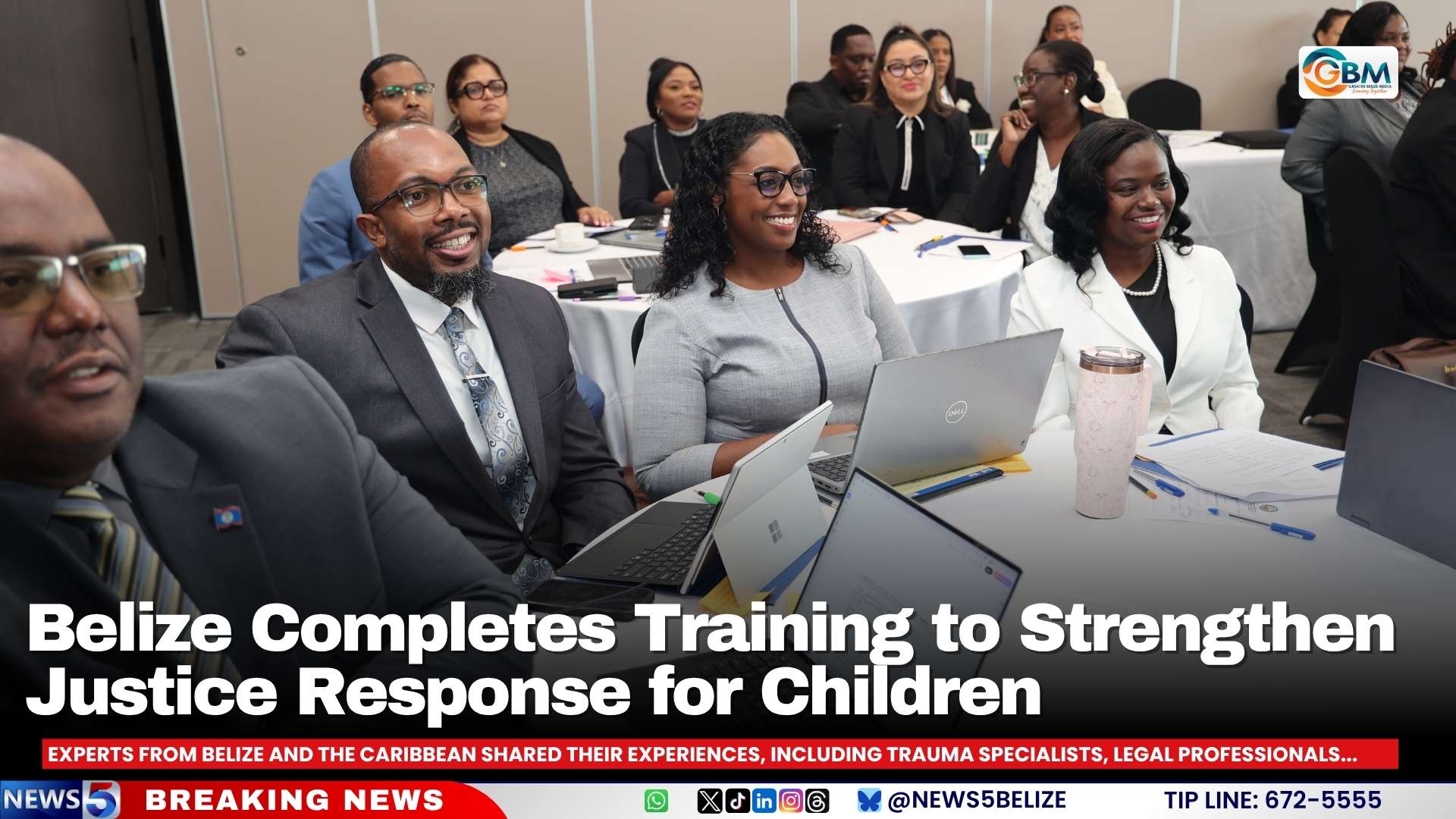
In a significant step toward reforming its juvenile justice and anti-trafficking frameworks, Belize has concluded a two-day specialized judicial training program focused on strengthening the country’s justice system response to child-involved cases and human trafficking survivors.
Held from July 9 to 10 2026, the training, officially branded *Promoting Child-Centered Justice: A Judicial Training on Trafficking in Persons, Restorative Justice, and Diversion*, was a collaborative initiative bringing together four key national stakeholders: Belize’s Ministry of Human Development, Family Support and Gender Affairs, the national Anti-Trafficking in Persons Council, the Child Justice Committee, and the Judicial Education Institute of Belize’s Senior Courts.
The event gathered sitting judges, judicial officers and cross-sector justice stakeholders from across the country, with the core goal of deepening participants’ expertise in four critical areas: child protection protocols, recognition and response to human trafficking cases, restorative justice practices, and child-first decision-making that prioritizes the inherent rights and holistic well-being of minor victims and offenders.
During the official opening ceremony, Chief Justice Louise Esther Blenman emphasized the non-negotiable responsibility of the national judiciary to guarantee vulnerable children and trafficking survivors access to a fair, compassionate and responsive judicial process. Over the course of the training, attendees engaged in interactive deep dives into a range of high-priority topics, including trauma-informed adjudication strategies, victim-centered case management, culturally sensitive judicial practice, and the evolving role of judicial officers within Belize’s emerging child justice framework.
Practical working sessions also focused on unpacking the principles of restorative justice, the design and implementation of effective child diversion programs, and actionable strategies to break down silos and improve inter-agency coordination for institutions that work with at-risk and vulnerable children. To enrich discussions, the program invited expert practitioners from across Belize and the wider Caribbean region, including trauma clinicians, senior legal professionals, sitting judges and veteran child justice specialists, who shared on-the-ground insights and regional best practices from decades of frontline work.
The completed training marks a key milestone in Belize’s ongoing efforts to align its justice system with international child protection standards, and addresses long-standing calls for more responsive, child-focused approaches to cases involving minors and trafficking survivors.