As Barbados ramps up its annual hurricane preparedness initiatives, emergency management authorities are issuing a urgent call to vulnerable communities across the island: register with the Department of Emergency Management (DEM) before a storm makes landfall. This proactive step, officials emphasize, is critical to ensuring at-risk residents receive life-saving assistance when severe weather strikes.
The preparedness push sees District Emergency Organisations (DEOs) – 30 volunteer-led groups spread across every constituency on the island – conducting door-to-door community hazard assessments, while the DEM works to expand and update its centralized database of vulnerable residents. Selwyn Brooks, a consultant with the DEM, explained that the registration process is simple: at-risk individuals only need to contact the department with their name, address and contact details, and a team will be dispatched to evaluate their situation and plan targeted emergency responses.
The definition of vulnerable residents extends far beyond those with physical disabilities, visual or hearing impairments, mobility challenges, dementia, or those requiring regular dialysis. Brooks stressed that the category also includes any person living alone without a pre-existing support network to rely on during an emergency. Even for vulnerable residents who do have family or community support, officials still encourage registration to ensure formal emergency plans can be put in place, with extra priority allocated to those without existing support systems.
Brooks noted that maintaining an accurate count of vulnerable people across Barbados is an ongoing, fluid process, rather than a one-time task. “Vulnerability comes and goes, so it’s not static,” he explained, adding that many residents only choose to identify themselves as at-risk after a storm has already arrived, which leaves little time for officials to prepare tailored assistance. That is why authorities are urging all eligible people to come forward voluntarily, well in advance of any hurricane threat.
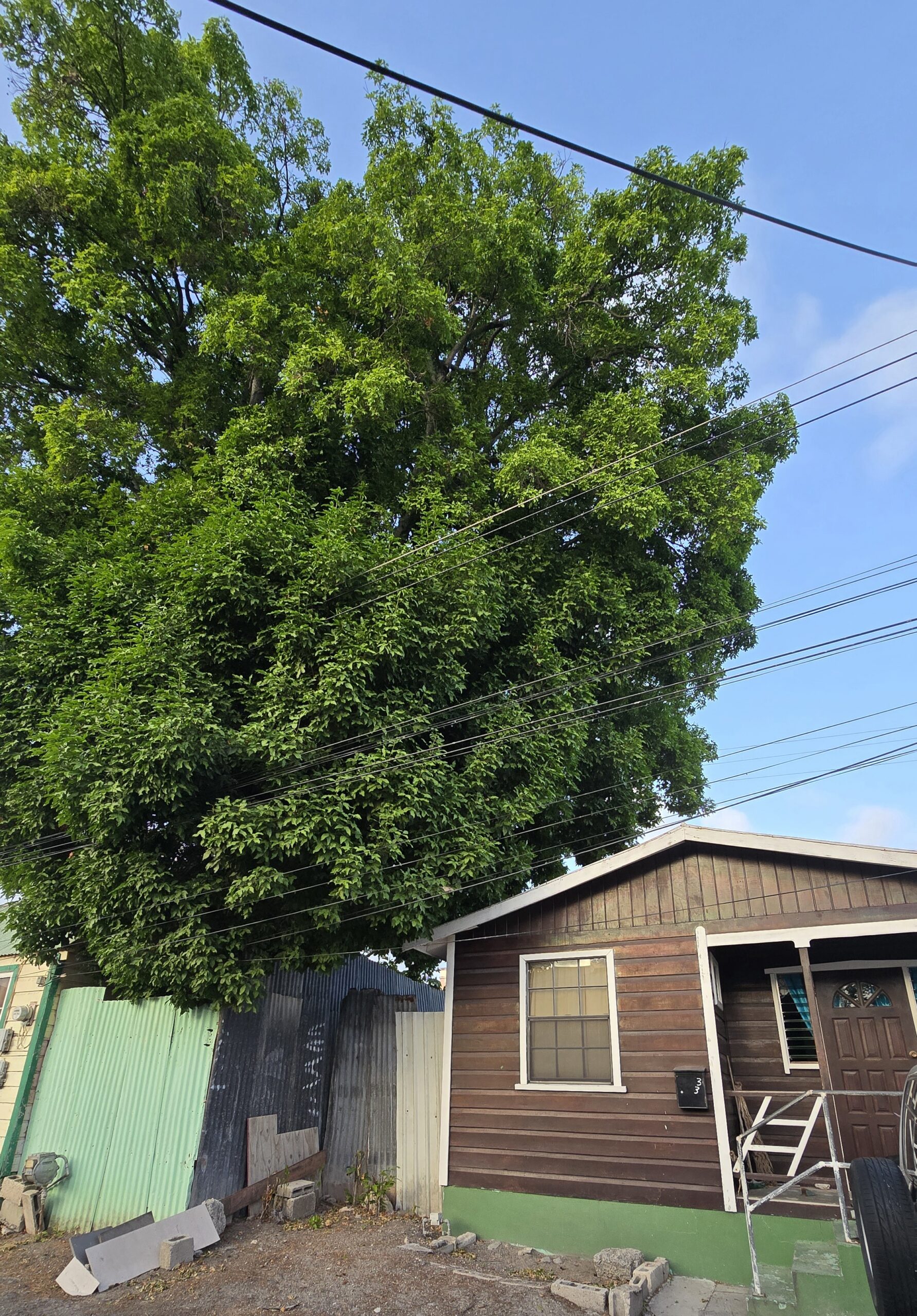
As part of community assessments, the DEM also collects reports of hazardous trees that threaten the homes of vulnerable residents. Depending on the size and complexity of the tree removal or trimming work, it is either handled directly by local DEOs or referred to the Ministry of Public Works’ specialized tree trimming department for larger jobs requiring heavy machinery. Brooks acknowledged that DEOs operate with varying capacities, as all rely on volunteer labor, but added that gaps are quickly filled by coordinating with other government emergency response agencies when needed.
Home Affairs Minister Gregory Nicholls echoed the appeal, urging vulnerable residents who have not yet been added to the database to reach out to their local DEO directly. For those unsure of their local DEO leadership or contact information, Nicholls said the DEM will connect residents to the right representatives.
Identifying and supporting vulnerable residents is a core pillar of the Barbados government’s annual emergency planning, Nicholls explained. The government coordinates with the Ministry of People Empowerment and the Social Empowerment Agency, which maintain regular contact with at-risk communities, to consolidate and update the central vulnerable persons database.
Nicholls also called on all residents to report any community hazards, including overhanging trees that could block roads or damage property during a storm, to the DEM. The minister highlighted his own St. Thomas constituency as a model for the work, where the local DEO is already compiling a list of hazardous overhanging trees to complete trimming and removal work ahead of hurricane season. “We’re compiling that list so we can be able to get a lot of that work done early,” he said.