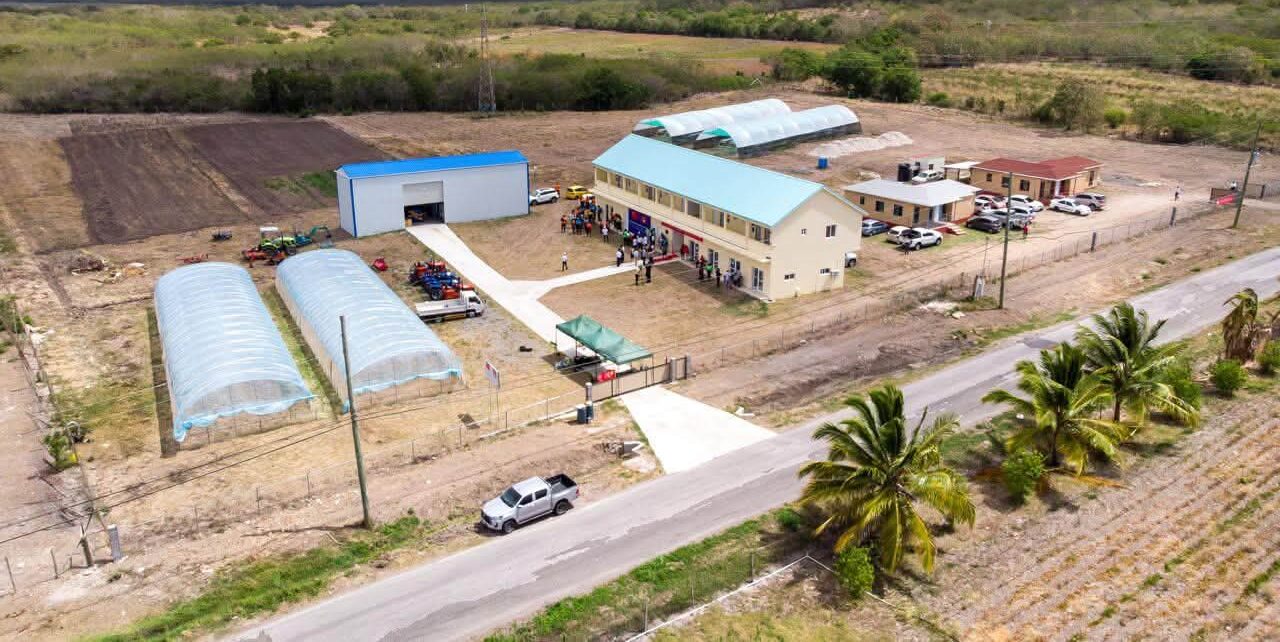
The recent inauguration of Antigua and Barbuda’s first-ever in-vitro tissue culture laboratory marks far more than just the opening of a new scientific facility. This milestone lays the critical groundwork for a more robust, self-reliant, and climate-resilient national agricultural sector that will shape the country’s food future for generations.
At its core, this new laboratory delivers a transformative leap forward in the Caribbean nation’s pursuit of long-term food sovereignty. For the first time, Antigua and Barbuda can locally generate pathogen-free, premium-grade planting material for a wide range of native and commercial crops, eliminating the longstanding reliance on offshore biotechnology facilities. This local capacity not only cuts costs and delays associated with international shipping of plant samples but also acts as a critical shield for the country’s unique agricultural biodiversity, reducing the risk of introducing foreign pathogens through imported plant stock.
The urgent need for a domestic laboratory first came into sharp focus during the high-stakes project to revive the world-famous Antigua Black Pineapple, a variety iconic to the nation’s agricultural identity and cultural heritage. Before the construction of the local facility, every step of the restoration process required shipping collected plant tissue samples overseas for disease cleansing and controlled mass propagation, before the cleaned healthy seedlings could be shipped back to local farmers for planting. While that restoration initiative ultimately succeeded, producing thousands of disease-free Antigua Black Pineapple plants to restart commercial cultivation, it exposed a dangerous gap in the country’s agricultural biotechnology infrastructure.
Recognizing this critical vulnerability, the Government of Antigua and Barbuda made the development of a domestic tissue culture facility a top policy priority. Led by Minister of Agriculture Smith and his team at the Ministry of Agriculture, that vision has been realized, closing the infrastructure gap that for years held back the nation’s agricultural progress.
Under Minister Smith’s leadership, the Ministry of Agriculture has positioned agricultural innovation as a central pillar of the country’s overall national development strategy. This policy direction also complements his ongoing outreach to encourage younger generations to pursue careers in farming, framing modern agriculture as a dynamic, profitable professional path rather than an outdated industry. Smith’s vision extends far beyond the revival of a single iconic crop: he aims to build a 21st-century agricultural sector that is environmentally sustainable, commercially productive, capable of feeding the entire domestic population, and preserves the country’s one-of-a-kind native crop varieties for future generations.
Looking ahead, the new laboratory will do more than just support the steady expansion of Antigua Black Pineapple cultivation. It will also improve propagation processes for all other major commercial and food crops grown across the country, supplying local farmers with healthier, more robust planting stock that delivers higher crop yields, stronger resistance to common plant diseases, and greater overall farm resilience to evolving climate and environmental challenges.