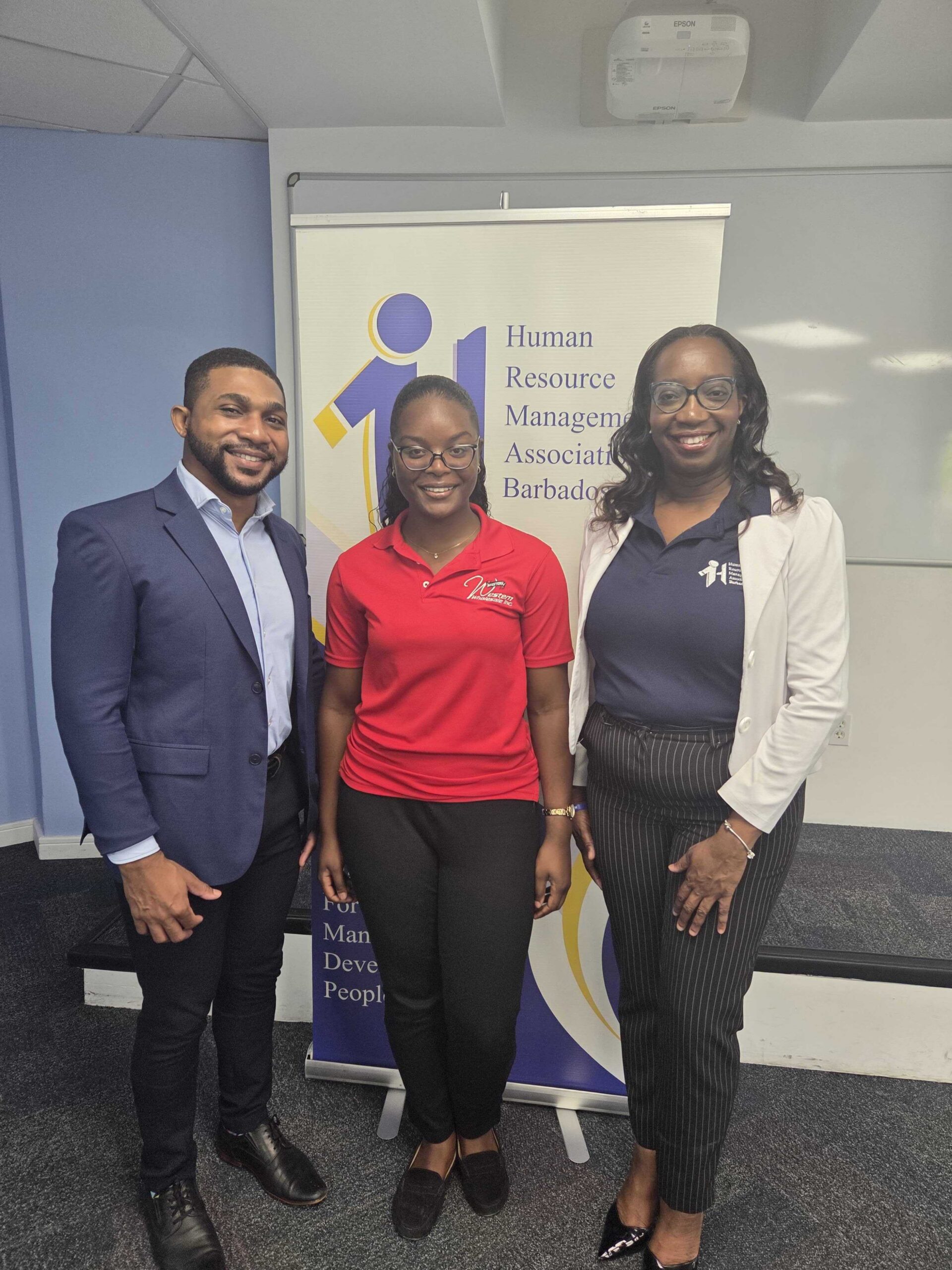
As Barbados navigates a growing set of interconnected workforce challenges ranging from looming skills outflow to cutthroat global talent competition and rapid workplace transformation, the Human Resource Management Association of Barbados (HRMAB) is preparing to host a landmark national conference this October to map a path forward for local organizations.
Scheduled for October 14 and 15 at the Hilton Barbados Resort, the two-day event carries the theme “Workforce 2030: Ready or Not”, and launches at a moment when Barbadian employers are grappling with three systemic shifts: evolving employee expectations, historically tight local labour markets, and rising competition from international businesses that now outcompete local firms for top domestic talent. The core goal of the gathering is to equip organizational leaders with actionable, practical strategies to integrate emerging workplace tools, upskill existing workforces, and reframe people management as a core strategic priority rather than a back-office administrative function. Most notably, conference organizers are calling on all business leaders across the island to treat technological upskilling as an urgent immediate goal, not a distant project to be addressed years down the line.
Speaking at a recent media launch held at the Sky Mall conference facility in Haggatt Hall, HRMAB President Tisha Peters outlined how the role of human resource management has fundamentally shifted in recent decades. What began as a largely administrative function focused on routine back-office tasks is now a central driver of both organizational performance and national economic productivity. “When I started my career in HR, our discussions revolved around recruitment, payroll, employee relations and compliance,” Peters explained. “Those responsibilities are still important, but today our role reaches far beyond that basic scope. We no longer just support business strategy – we help build and shape it.”
Peters issued a sharp warning against clinging to outdated models of people management, noting: “No organization, in Barbados or anywhere across the globe, can afford to relegate HR to a back-office function any longer. That is because people are not just one part of a business strategy – people are the strategy. Organizations rarely collapse because they lack a formal strategic plan; they struggle because they consistently underestimate the human element of organizational change. You can purchase cutting-edge technology, you can redesign internal processes from the ground up, but intangibles like trust, effective leadership, and a strong organizational culture have to be built incrementally – one conversation, one leadership decision, one intentional choice at a time.”
With 2030 just a few years away, Barbadian businesses now find themselves competing directly with international companies for skilled local talent. The widespread adoption of remote work has amplified this challenge, making it simpler than ever for Barbadian workers to secure well-paying roles with overseas employers without relocating off the island. This dynamic has stoked widespread concerns about a growing brain drain that could strip local industries of their most skilled workers.
Compounding this shift is the unprecedented generational diversity of today’s workplaces, which now span five generations from the Silent Generation to Gen Z. Peters framed this diversity as a unique asset rather than a problem to be managed, noting: “The pace of change has accelerated dramatically, and the decisions our organizational leaders make over the next few years will shape Barbadian workplaces for the next decade and beyond. This generational diversity is not a problem to be fixed – it is an opportunity to be leveraged. The organizations that will thrive in the coming years are those that learn to bridge gaps between generations, not manage each group separately. And the one asset that no competitor can copy is your organizational culture.”
Nicholas Roberts, HRMAB’s immediate past president and chair of the association’s People Development Conference Committee, emphasized that the issues to be addressed at the conference are not limited to HR professionals – they touch every corner of Barbados’ economy. “These are not simply HR issues. These are core business issues, and they are issues that are impacting our entire national economy, which is exactly why this conference is so critical,” Roberts said. “If your organization is thinking at all about its long-term future, this conference is for you.”
The conference program will feature a robust lineup of keynote addresses, interactive hands-on workshops, and panel discussions, with speakers joining from both Barbados and international destinations. Confirmed featured presenters include Theresa Hall and Dr. Shane Ram, along with Barbados’ Minister of Labour Colin Jordan, and contributing speakers Davina Layne, Vennell Sandy-Paterson and Leslie Lee-Fook. Key topics scheduled for discussion include strategic workforce planning, skills mapping, international talent attraction, employee retention, workplace well-being, and the evolving role of technology in modern work environments.
“Technology will continue to evolve at a rapid pace, but strong leadership, adaptable workforce skills, and engaged, committed employees will always remain the foundation of successful organizations,” Roberts said. “The organizations that choose to keep investing in their people today are exactly the organizations that will be best positioned to succeed not just in the present, but for years to come.”