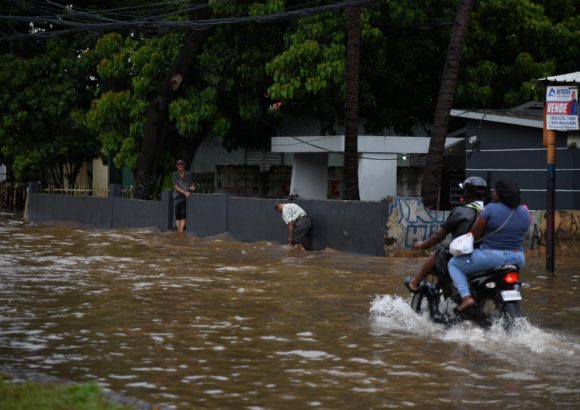
As the Dominican Republic enters its annual rainy season, public health authorities are tracking upward trends in leptospirosis, a zoonotic disease closely tied to flood conditions, alongside shifting case counts for multiple other communicable diseases. Data released by the Ministry of Health’s National Epidemiological Surveillance System shows that between epidemiological week 24 and week 30, 30 new confirmed leptospirosis cases were detected across the country. By mid-2026, the cumulative national tally for the disease has reached 196 confirmed cases, with 15 recorded fatalities to date.
Leptospirosis, which spreads to humans from animals, most commonly through contact with urine from infected rodent populations, sees its incidence spike consistently during periods of heavy rain and flooding, when contaminated water exposes more people to the bacteria. The highest concentration of recent cases has been recorded in three jurisdictions: Puerto Plata, San José de Ocoa, and the National District. Health officials have reminded the public to watch for key indicative symptoms, including sudden fever and chills, persistent headache, widespread muscle pain, and bouts of nausea and vomiting.
Alongside leptospirosis, the surveillance update tracks progress on three other common mosquito-borne diseases found in the country. In epidemiological week 24 alone, one additional malaria case was confirmed, pushing the 2026 total to 98 confirmed infections. Most malaria cases are concentrated in the southern provinces of Azua and San Juan. Transmitted through the bite of infected mosquitoes, malaria typically presents with fever, chills, profuse sweating, and overall body malaise.
For dengue, another mosquito-transmitted viral infection that can cause life-threatening severe complications, cumulative confirmed cases since the start of 2026 now stand at 138. During week 24, the most prevalent circulating subtypes were dengue serotype 2 (D2), which accounted for two new cases, and untyped dengue variants, which made up four additional cases. Most recent dengue infections are clustered in the towns of Baní and La Romana. Classic dengue symptoms include high fever, severe headache, pain behind the eyes, muscle and joint soreness, and skin rashes; severe cases may develop life-threatening bleeding and organ damage.
The weekly surveillance report also included updated data on maternal and infant mortality. As of the latest count, the Ministry of Health has recorded 58 maternal deaths and 729 infant deaths nationwide in 2026. In the seven-day reporting period, 32 infant deaths and 27 newborn deaths were registered. Of the total maternal deaths recorded this year, 32 were of Dominican nationality and 25 were of Haitian nationality.
Severe Acute Respiratory Infections (SARI) continue to circulate at stable levels across the country, per the latest update. In the past week, authorities confirmed two new cases of SARS-CoV-2, one case of adenovirus, and three cases of influenza A (H3N2). Health officials noted that overall influenza case counts remain lower than preliminary projections for this time of year. The Ministry of Health emphasized that the incidence of all circulating respiratory viruses this week held steady, with transmission patterns remaining controlled and aligned with expected seasonal trends.