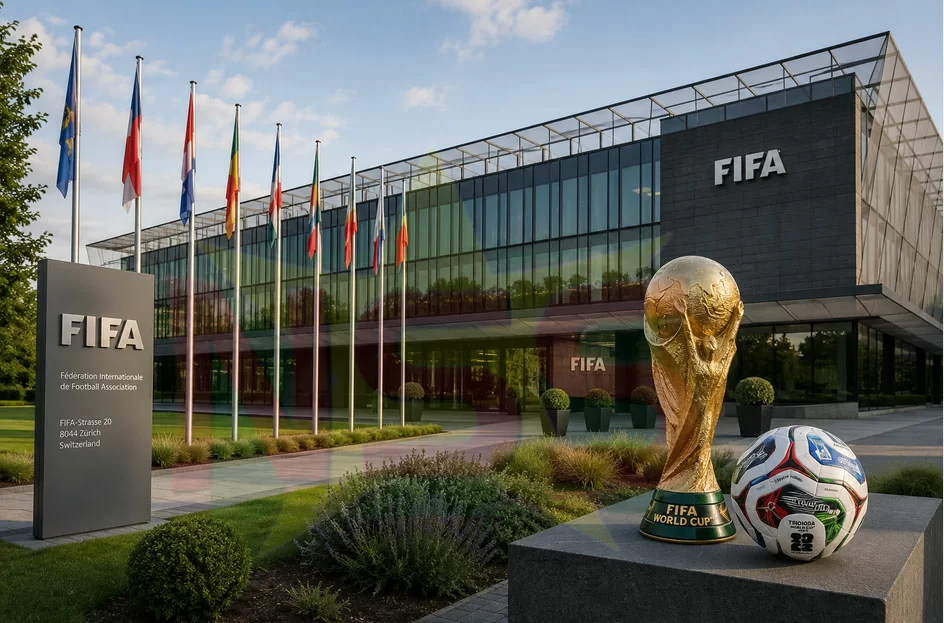
The FIFA World Cup has always been far more than a contest for the iconic golden trophy. While national teams battle it out on the grass to secure a spot in the next round of the tournament, a high-stakes off-pitch struggle unfolds behind the scenes, centered on millions in prize money, career-defining individual honors, and long-term commercial gains that can shape a player’s entire professional journey.
For the 2026 edition of the World Cup, co-hosted by the United States, Canada and Mexico, global governing body FIFA has allocated a historic record-breaking prize pool totaling $871 million. Unlike common misconceptions, this massive sum is not distributed directly to competing players, but instead awarded to each participating nation’s national football association. The tournament champions will walk away with $50 million, while the runner-up will receive $33 million. Even teams eliminated in earlier knockout stages are guaranteed multi-million dollar payouts: for example, teams that reach the round of 16 earn $15 million each before exiting the competition.
Beyond the team-based prize purse, individual awards carry nearly equal weight for many competing players, even if FIFA does not publicly disclose separate cash prizes for these honors. The most coveted individual accolades include the Golden Ball for the tournament’s best player, the Golden Boot for the top goal scorer, the Golden Glove for the best goalkeeper, an award for the tournament’s best young player, and a Man of the Match award handed out after every single game. While these titles come with no immediate large cash reward from FIFA, their long-term value is immeasurable. A player named the World Cup’s best performer sees an instant surge in their market transfer value, becomes far more attractive to global brand sponsors, and secures a permanent place in football history.
For the three North American co-host nations, this expanded 48-team 2026 World Cup extends far beyond the scope of sport. FIFA collects the majority of the tournament’s total revenue from four core streams: broadcast rights, corporate sponsorships, premium hospitality packages, and merchandise licensing. Host nations, by contrast, capture most of their economic gains through indirect channels: increased tourism revenue, hotel and hospitality spending, local transportation revenue, added tax income, and new job creation across the tournament period.
There is no formal fixed revenue-sharing formula between the three co-hosts, as the final economic gain each nation sees depends primarily on the number of matches it hosts and the volume of visiting fans it attracts.
Industry analysts broadly expect the United States to capture by far the largest share of the tournament’s economic benefits, for clear structural reasons. Out of the 104 total matches scheduled for the 2026 World Cup, 78 will be held on U.S. soil, and 11 of the 16 host cities are located in the United States. Every match from the quarterfinals onward will be hosted in the U.S., including both the third-place play-off and the tournament final. Both Mexico and Canada will host 13 matches each, meaning the bulk of direct economic spillover will naturally flow to the United States without any formal allocation rule from FIFA.
All told, the 2026 FIFA World Cup will not only go down as the largest edition in the tournament’s history in terms of participating teams and total matches—it will also stand as a major global economic contest. For competing players, the tournament offers glory, multi-million dollar commercial gains, and permanent fame. For host nations, it brings international prestige, significant revenue, and an unspoken competition to see which country can extract the maximum benefit from the world’s biggest football stage. At its core, the World Cup is never just about scoring goals—it is always a battle for money, status, and a permanent place in history.