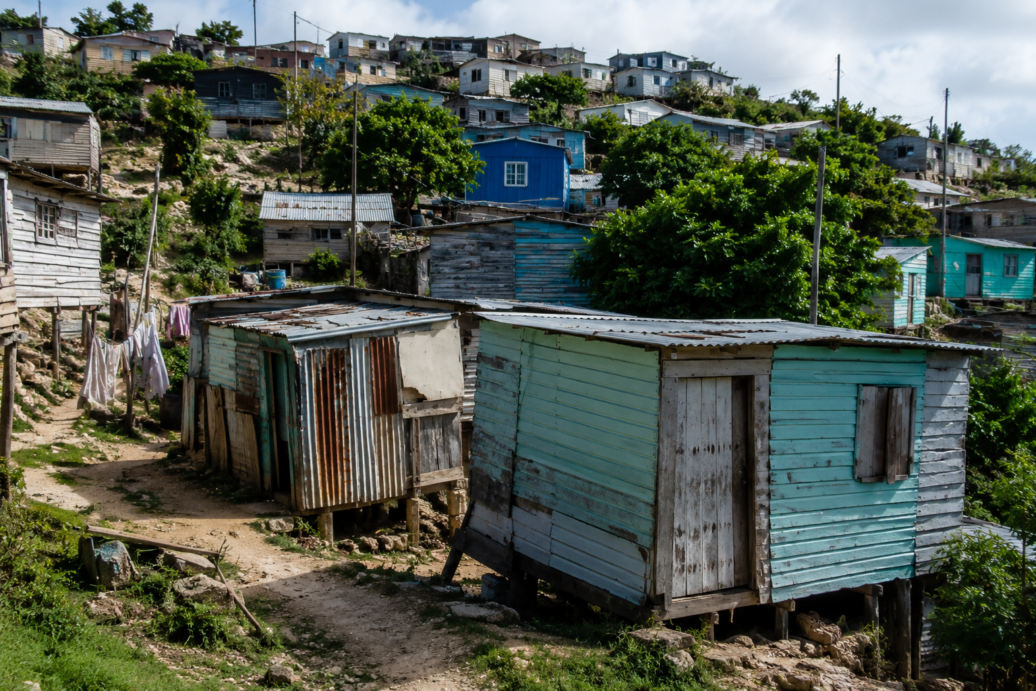
For months, informal settlers in Perry Bay have lived in uncertainty, occupying makeshift structures on the edge of the coastal district with no access to basic municipal services and little clarity over their long-term living situation. That uncertainty may soon be lifted, after senior government officials confirmed this week that the community is being evaluated for inclusion in the country’s flagship affordable housing programme.
The Perry Bay settlement, home to roughly 1,200 low-income households, has long been a flashpoint for local housing advocacy groups, who have pushed for years to formalize the community’s right to housing rather than proceeding with the forced evictions that had been proposed in earlier policy drafts. Government housing department spokesperson Clara Mendez told reporters on Wednesday that a recent interagency assessment of the site found that including the squatters in the national programme aligns with the current administration’s pledge to reduce chronic homelessness by 30% over the next four years.
“We are not just looking at land tenure here. We are looking at delivering safe, serviced housing to people who have been living without clean water, reliable electricity and proper sanitation for more than a decade,” Mendez stated in a press briefing held in the capital. “The assessment team has concluded that integrating the Perry Bay community into the national housing programme is both feasible and consistent with our policy priorities.”
While final approval is still pending a cabinet vote scheduled for next month, the announcement has already been welcomed by housing rights organizations, who say it could set a new precedent for how the country addresses informal settlements across the country. Local community leader Pedro Ruiz, who has represented the Perry Bay settlers in negotiations with the government for eight years, called the confirmation “a long-overdue step toward justice” for the community.
Critics, however, have raised questions about the cost of integrating the Perry Bay settlement, noting that the national housing programme is already operating over budget due to rising construction costs across the sector. Some local opposition politicians have also argued that prioritizing Perry Bay could delay housing projects for other low-income communities on the waiting list. In response, Mendez noted that the government has identified additional funding for the initiative through a new urban development grant from a regional development bank, and that the project will not siphon resources away from other planned housing developments.
If approved, the programme would see roughly 800 new affordable units built on currently unused government land adjacent to the existing Perry Bay settlement, with all current households given the option to move into the new units at subsidized rent rates with a path to home ownership. A small portion of households that do not qualify for the new units will also be connected to temporary housing support until alternative accommodation can be arranged.