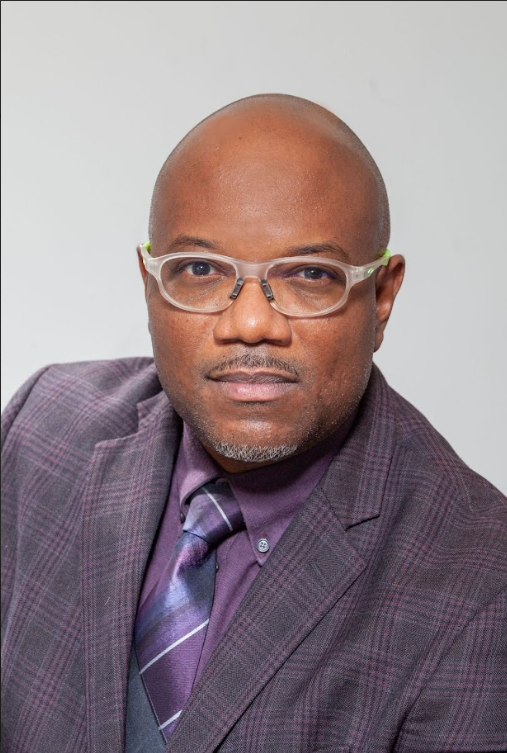
As Barbados’ long-awaited Human Tissue Transplant Bill undergoes debate in the country’s Senate, a leading independent senator and medical specialist has issued a stark warning: the groundbreaking legislation will only deliver on its life-saving promise if the nation confronts long-held religious and cultural objections to organ donation, backs it with sufficient public investment and upgrades care standards at its main public hospital. Dr. Kenneth Connell, an internal medicine expert and medical educator at the University of the West Indies (UWI), laid out his vision for rolling out the new framework during senate deliberations, emphasizing that shifting public mindsets is the most critical first step to expanding access to life-saving transplants for Barbadians.
In remarks to fellow lawmakers, Connell argued that the island nation must undergo a widespread cultural shift around organ donation, moving past deeply ingrained religious beliefs that frame removing organs after death as a violation of divine will. He shared a personal anecdote to illustrate the scope of the cultural barrier: a dying relative once told him she wanted to return to her creator in the same physical state she was born in. “This speaks to our religious background,” Connell noted, adding that it is past time for Barbadian society to evolve beyond this limiting perspective. “We now have to change our entire culture. How do we change that culture so that the average Barbadian citizen doesn’t see this as an act against God, but sees this as the ultimate act of giving?” he asked.
While Connell is a vocal supporter of the new transplant legislation, he backed the decision to launch the program with an opt-in consent model, which requires citizens to actively agree to have their organs donated after death, rather than adopting an opt-out system like the one used in the United Kingdom. He explained that the island needs years of sustained public education to build public trust and understanding before it can make the jump to a default consent framework. “You can’t bring a new legislation… and say, oh, by the way, from tomorrow, by default, every single Barbadian citizen must opt out,” he said. “Many of us will rush and say: ‘Well, I ain’t ready for this yet.’”
The senator also highlighted the deep resource gaps that threaten the success of the new law, even after it passes. Connell, who has decades of experience as a medical educator, praised UWI’s critical contributions to Barbados’ healthcare system, revealing that nearly 20 percent of consultant physicians at the Queen Elizabeth Hospital (QEH) – the country’s main public care facility – are full-time UWI faculty. But he stressed that the nation currently has only one fully qualified transplant surgeon, and faces a critical shortage of kidney specialists, at a time when chronic lifestyle diseases have driven soaring demand for kidney transplants and dialysis care across the island.
Beyond staff shortages, Connell called for urgent reforms to improve patient dignity and care standards at the QEH, calling out the lack of privacy for patients waiting for dialysis treatment. “Think about the impact that has on the 27-year-old who must sit on the bench waiting to enter the dialysis unit with all of his friends seeing him,” he said, pushing for the creation of a private, air-conditioned waiting lounge specifically for these patients. He also criticized a glaring public health misstep at the facility: vending machines stocked full of sugary carbonated drinks are placed directly adjacent to the dialysis unit, a contradiction of the hospital’s mission as a space for health and healing. “The hospital is a health space,” Dr Connell stated. “And if we can’t get this one space right, then how do we speak to the wider environment?”
Connell acknowledged that the proposed bill has a number of gaps that will need to be addressed over time, including the need for stronger cybersecurity protections for the national organ donor registry and streamlined legal processes to speed up organ retrieval after a donor’s death. Even with these shortcomings, he urged his fellow medical professionals across the country to back the legislation, framing it as a critical first step toward building a fully functional organ transplant program that saves hundreds of lives in the years to come. “See this bill as a starting point and not the end or destination,” he urged.