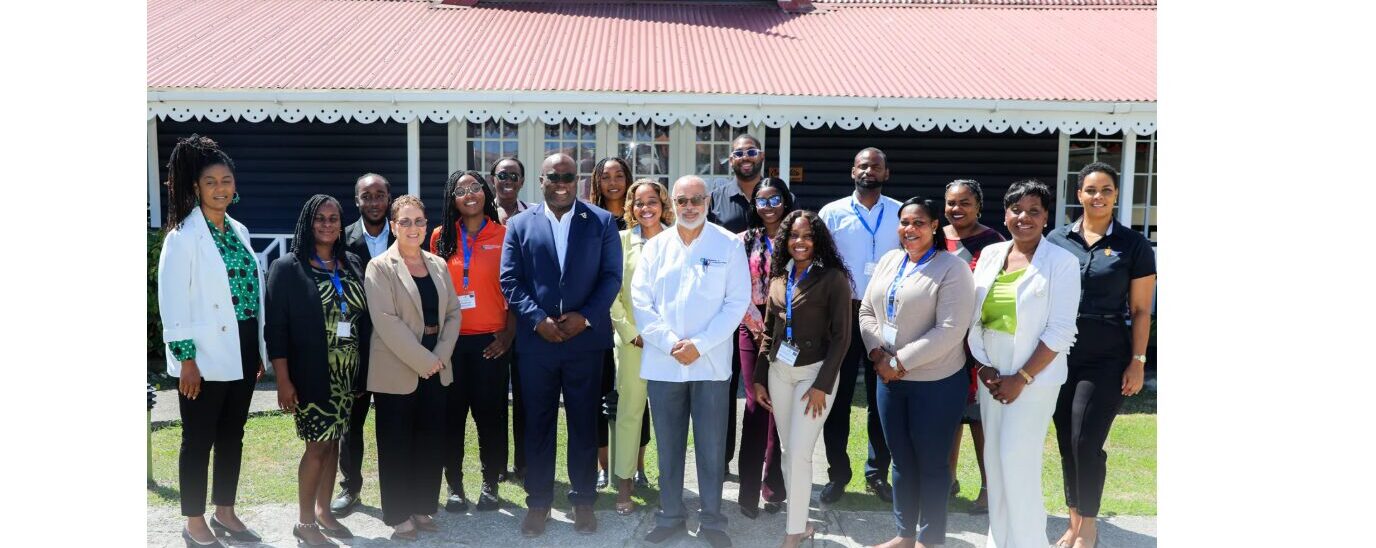
Earlier this June, senior tourism stakeholders from all 11 member states of the Organisation of Eastern Caribbean States (OECS) convened in St. Lucia for a landmark three-day workshop focused on scaling up community-centered tourism across the region. Held from June 9 to 11 under the official theme “From Assessment to Action: CBT Policy Development and National Action Planning,” the Community-Based Tourism (CBT) Capacity Building Workshop brought together public officials, tourism strategists, and community development practitioners to craft actionable, region-aligned policies and national implementation roadmaps for expanding locally rooted tourism.
Unlike traditional mass tourism models that often channel most revenue away from local populations, CBT is rooted in a core principle: local communities must lead tourism development, and they deserve to capture the direct economic benefits of a growing sector. The workshop was designed to equip attendees with evidence-based frameworks, practical tools, and collaborative networks to build strategies that center local communities as the primary architects of tourism experiences, rather than passive participants in outside-led development.
This regional initiative is backed by funding from the 11th European Development Fund (EDF), delivered through the Regional Integration Growth Harmonisation and Technology (RIGHT) Programme. The funding supports long-standing regional efforts to shift Eastern Caribbean tourism toward more sustainable, inclusive models that address systemic economic gaps. Proponents of CBT note that the approach creates targeted entrepreneurship opportunities for groups that are often excluded from mainstream tourism benefits: young people, women, rural residents, and members of marginalized, underserved communities.
Beyond expanding inclusive economic growth, keeping a larger share of tourism revenue within local borders strengthens household livelihoods while creating direct incentives for communities to protect the region’s one-of-a-kind cultural traditions, irreplaceable historical heritage, and fragile natural ecosystems that draw millions of visitors each year. OECS officials emphasized that the St. Lucia workshop marks a critical milestone in the region’s transition to sustainable tourism, enabling member states to update national policy frameworks that embed community benefit at the core of tourism growth strategies. Moving forward, participating states will work to implement the national action plans developed during the workshop, with ongoing regional coordination to share best practices and measure progress toward inclusive, sustainable development goals.