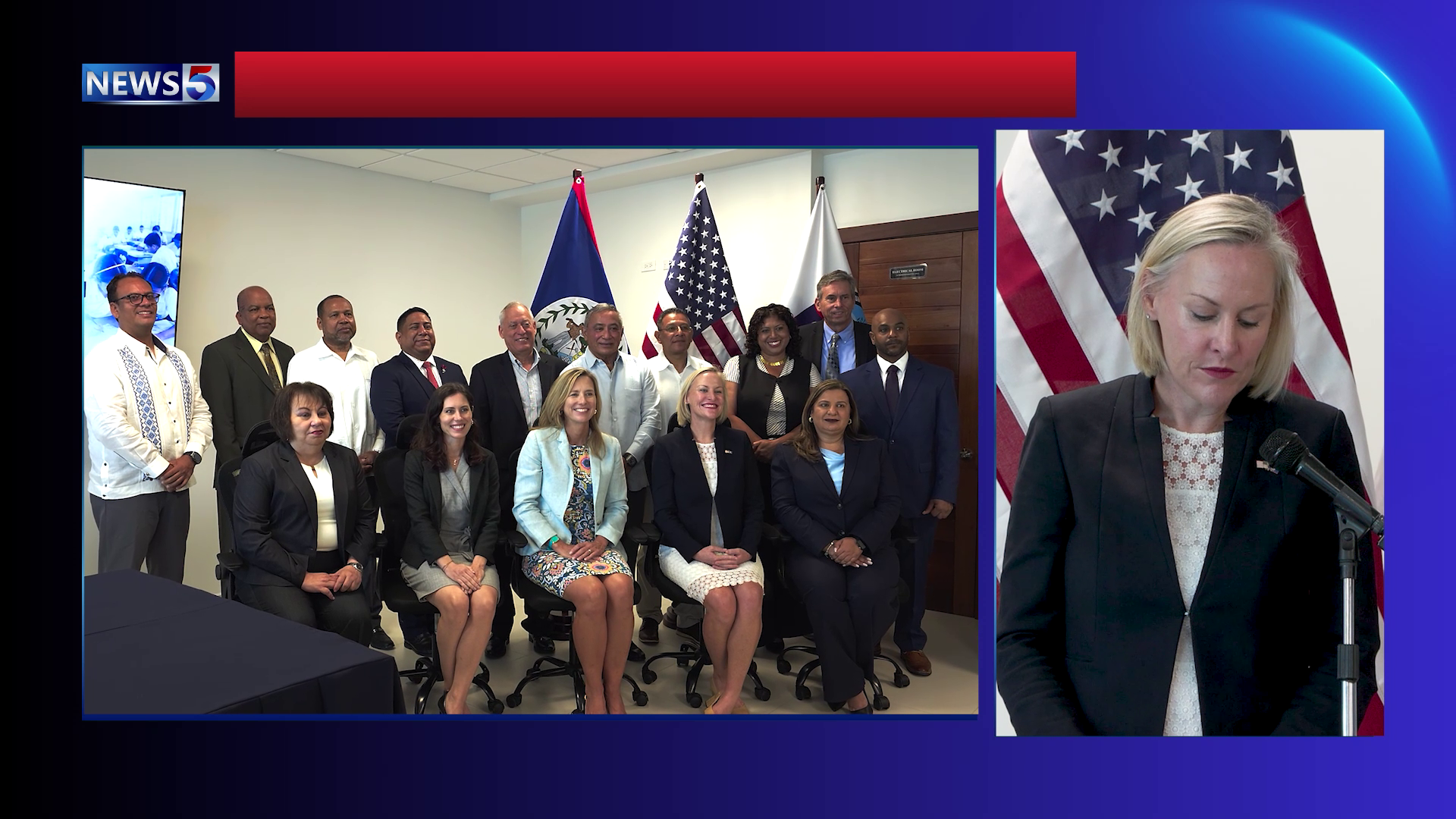
On July 1, 2026, a landmark development in bilateral cooperation between Belize and the United States came to fruition, as the long-negotiated Millennium Challenge Account (MCA) Compact officially transitioned from years of planning to active implementation. This multi-million-dollar partnership, the single largest U.S. investment in Belize’s history, targets two of Belize’s most pressing national priorities: upgrading the country’s public education system and expanding and modernizing its energy infrastructure.
After years of iterative negotiations, cross-government consultations, and program restructuring, the launch paves the way for transformative improvements that are expected to deliver long-term gains for Belize’s workforce and broader national economy. Speaking at the official launch, U.S. Charge d’Affaires Katharine Beamer emphasized that every aspect of the compact—from the selection of focus sectors to the granular details of investment allocation and implementation—was shaped by intentional, collaborative work between both nations.
Beamer explained that upgrading Belize’s education system will open new economic pathways for young Belizeans entering the workforce, while also equipping local growing businesses with a skilled labor force that possesses the 21st-century technical and professional skills required for sustained expansion. On the energy side, she noted that investments in critical, long-overdue energy infrastructure, paired with targeted policy and regulatory reforms, will drive down overall electricity costs for ordinary Belizean households and build a more resilient, robust national power sector for decades to come.
For his part, Belizean Prime Minister John Briceño shared that his government intentionally centered education and energy as non-negotiable top priorities from the start of compact discussions. When U.S. stakeholders asked Belize to outline its national development priorities, Briceño said the choice was clear: education and energy immediately rose to the top, and U.S. partners rapidly aligned with this framework.
Briceño explained that the years of pre-launch consultation were critical to refining the program, with extensive engagement with educators, finance ministry officials, and energy sector stakeholders to address existing challenges. He added that unanticipated rapid economic growth in Belize has created an urgent need for expanded energy capacity—current energy consumption has already hit levels originally projected for 2028 and 2029, making early investment in the sector all the more critical. In Briceño’s view, focusing the compact on these two high-impact areas was a strategically sound decision that aligns with Belize’s current and future development needs.
As part of the bilateral agreement, the Government of Belize has committed $76 million in financing to support energy sector projects under the compact. This public investment complements the U.S. funding allocated through the MCA program, creating a combined investment framework that will deliver tangible benefits to Belizean communities across the country.