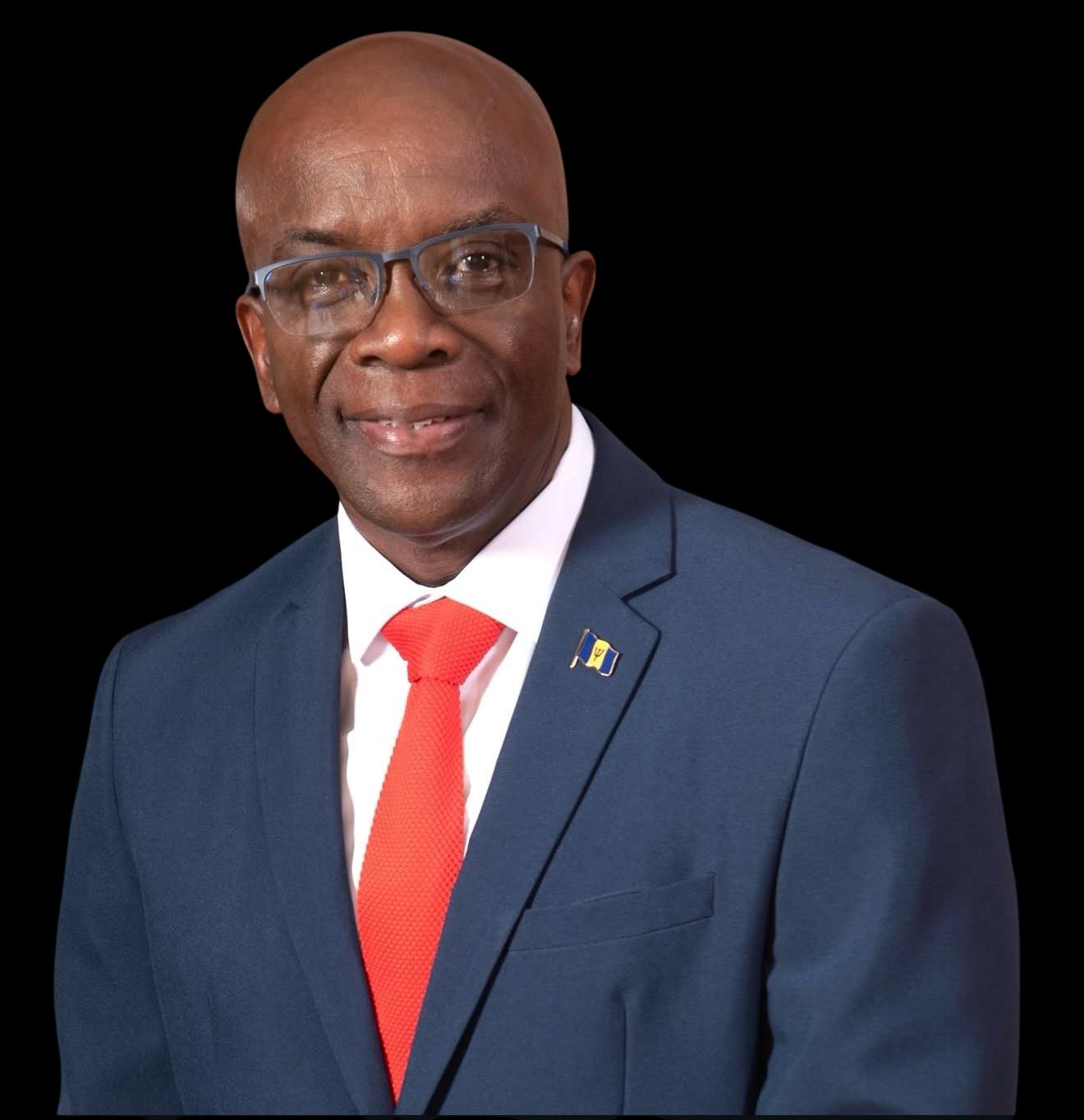
Barbados is grappling with a sharp upward trend in violent crime, and the island nation’s top sports official is calling for sport to be positioned as a core strategy to steer at-risk young people away from violence and toward life-changing positive opportunities. Charles Griffith, Minister of Sports and Community Empowerment, laid out his vision in an official statement emphasizing that while law enforcement remains a critical pillar of public safety, meaningful crime prevention must start long before any offense is committed — by strengthening family and community structures and opening tangible, accessible pathways for youth.
Griffith acknowledged the widespread anxiety that the recent crime wave has sparked across all segments of Barbadian society. As of the current year, the country has recorded 28 homicides, a toll that has left dozens of families grieving lost loved ones, communities shaken by pervasive fear and uncertainty, and the entire nation engaged in urgent reflection on how to reverse this troubling trajectory. Offering his sincere condolences to all households affected by the killings, Griffith stressed that the moment calls for solution-focused action rather than despair. “This is not a moment for despair. It is a moment for action, reflection and collective responsibility,” he said.
The minister pushed back against the idea that increased policing alone can resolve Barbados’ ongoing crime crisis. “While we fully support the efforts of the Barbados Police Service and all agencies involved in maintaining law and order, we must recognise that building a safer society requires more than enforcement alone,” Griffith explained. “Crime prevention begins long before an offence is committed. It starts with strong families, supportive communities, positive role models and meaningful opportunities for our people, particularly our young people.”
Against that backdrop, Griffith made the case that sport holds unique transformative power to shape the trajectories of young Barbadians and reinforce community cohesion. Beyond athletic achievement and competition, he argued, sport instills core life values that support positive development: discipline, collaborative teamwork, mutual respect, adaptive leadership and persistent perseverance. These foundational skills create space for intentional personal growth and cross-generational social connection, while offering consistent structure, a clear sense of purpose, and a feeling of belonging for young people who may otherwise lack access to supportive networks. Most importantly, Griffith noted, sport provides young people with a positive outlet to channel their energy, talent and ambition, rather than pushing them toward harmful, violent activity.
Many Barbadians across generations have already attested to sport’s stabilizing impact, Griffith shared, with countless residents crediting athletic programs with helping them stay focused during personal and communal hardship, while opening doors to higher education, professional careers, and lifelong mentorship relationships.
Building on that proven impact, the Ministry of Sports and Community Empowerment will continue expanding investments in community-centered programs, youth outreach initiatives, accessible sporting opportunities, and personal development workshops, all designed to build confidence and transferable life skills for the island’s young people. Griffith clarified that these investments are far more than investments in recreation: “These efforts are not simply about recreation. They are about building character, encouraging responsibility and providing positive alternatives to the influences that can sometimes lead young people down the wrong path.”
In a direct appeal to Barbadian youth, Griffith urged young people to reject violence as a solution and actively leverage the public and community opportunities available to them. “Your future is worth protecting. Do not allow anyone to convince you that violence is a pathway to respect or success. Real strength is found in discipline, real confidence comes from achievement, real leadership comes from making positive choices, even when faced with challenges or adversity,” he said. He encouraged all young residents to join local sports clubs, participate in community programming, connect with trusted mentors, nurture their unique talents, and pursue their personal and professional goals with intentionality and determination.
Griffith also extended a call to collective action across all sectors of Barbadian society, urging parents, teachers, sports coaches, faith-based organizations, community leaders and private sector businesses to collaborate to support the nation’s youth. He emphasized that sustained reduction in crime and violence requires a whole-of-society commitment that extends far beyond government action.
Closing his statement, Griffith reaffirmed the ministry’s ongoing commitment to partnering with communities and cross-sector stakeholders across Barbados to expand youth-accessible opportunities that foster participation, personal empowerment and inclusive growth. The ministry’s core goal, he said, is to encourage young people to choose purpose over violence, achievement over criminal activity, and empowerment over hopelessness.