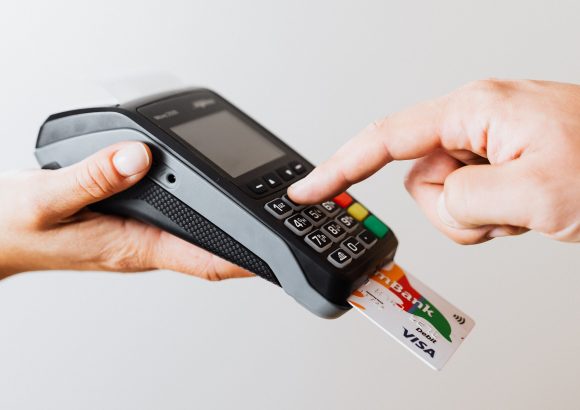
In Santo Domingo, a prominent transportation industry leader has sounded the alarm over a controversial proposal from Dominican Republic’s National Association of Gasoline Retailers (Anadegas) that would remove all card payment terminals from the nation’s fuel stations. Williams Pérez Figuereo, a veteran transportation businessman, argues that forcing drivers to rely exclusively on cash transactions would create significant new public safety risks for motorists across the country.
Pérez Figuereo emphasized that requiring large cash withdrawals for fuel purchases would put transport workers and ordinary drivers at far greater risk of criminal robbery. He reminded stakeholders of a long history of violent attacks on drivers traveling to fuel stations when cash payments were the primary option, noting that the Dominican Republic has invested years of work and policy reform to lower violent crime rates and improve public safety. Rolling back electronic payment options, he warned, would undo years of hard-won progress on public security.
The proposal put forward by Anadegas stems from longstanding frustration among fuel retailers over high card processing fees, which currently sit between 4% and 7% of each transaction. Rather than eliminating electronic payments entirely, Pérez Figuereo has called for multi-stakeholder dialogue between transportation industry representatives, fuel retailer groups, financial institutions, and national government authorities to craft a compromise solution. He pointed to a successful framework implemented in Mexico, where collaborative negotiations between merchant groups and banks led to reduced transaction fees, allowing retailers to cut costs without eliminating the convenience and safety of card payments for consumers.