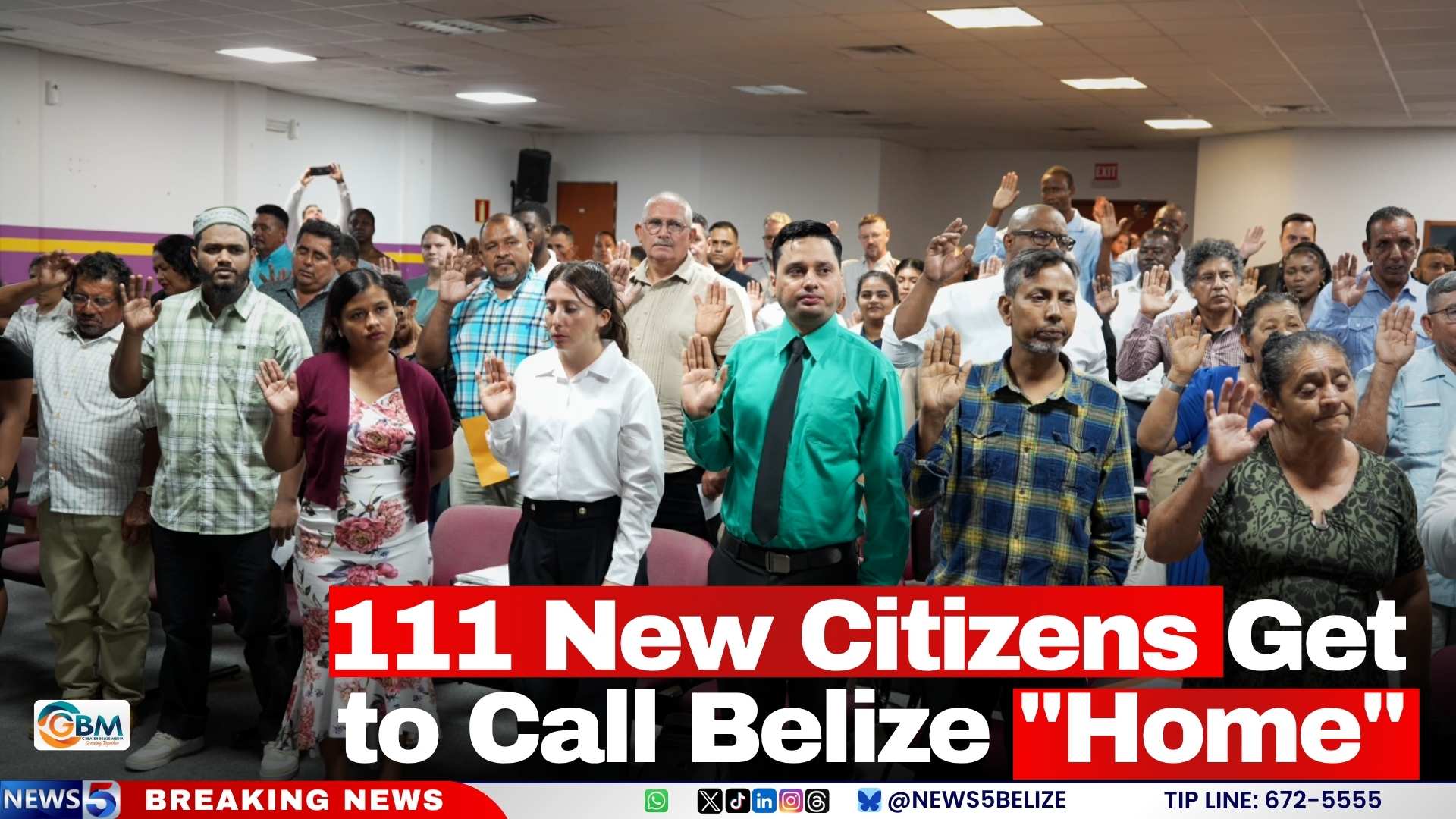
On Thursday, a landmark nationality ceremony in Belize welcomed 111 new citizens hailing from 22 countries across four continents, marking a major milestone for the Central American nation that frames its national identity around inclusive diversity. The event, hosted by the Ministry of Immigration, saw new Belizeans raise their hands and swear formal allegiance to their adopted home. Geographic breakdown of the new citizens reflects Belize’s unique regional and global connections: the largest contingent comes from Honduras, with 32 new citizens, followed by El Salvador with 28, alongside other groups from across the Americas, Asia, Africa and Europe.
In his address to the newly minted Belizeans, Minister of Immigration Kareem Musa emphasized that citizenship in the country is both a privilege and a commitment that comes with profound responsibility. “Many people fail to grasp the depth of the honor and responsibility tied to being a Belizean,” Musa told attendees. “The path to citizenship here is far from simple, but opening our doors to new citizens has brought critical skills, new career pathways and professional expertise that filled gaps in our labor market—including in roles that native Belizeans have been reluctant to take, and entirely new professions that did not exist here before.” He added that continuous immigration has helped Belize retain its youthful, dynamic and entrepreneurial spirit that drives national growth.
Musa also highlighted the deep roots many new citizens have already put down in Belizean communities, noting that most have resided in the country for years. “Many of you have worked tirelessly, often taking on demanding, low-wage roles while supporting your families at home and abroad,” he said. “Your aspirations, dreams and commitment to this nation align completely with those of native-born Belizeans.”
Beyond the citizenship ceremony, the Belizean government has announced sweeping improvements to its immigration processing system that have cut through long-standing administrative bottlenecks. Officials confirmed that all backlogged citizenship applications have now been cleared, and average processing times have been drastically reduced from multiple years to just a few months. The shift to digital archiving has also replaced the country’s outdated, fragile paper record system, while new overseas service hubs have resolved thousands of unresolved nationality applications that were stuck in limbo for years.
In a parallel development, the government is currently conducting a long-overdue review of the country’s 1991 Refugees Act, which has seen only minor changes over the past 35 years. Mariya Voloshkevich, Officer-in-Charge for the United Nations High Commissioner for Refugees (UNHCR) in Belize, praised the government’s ongoing reform efforts. Closing legislative gaps in the existing framework, Voloshkevich said, will expand equitable access to asylum protections and strengthen the overall integrity and effectiveness of Belize’s asylum system.