For decades, Emancipation Day, locally known as July Day, on the Caribbean island of St. Eustatius has followed a traditional celebratory framework. This year, however, a coalition of local cultural and historical organizations is reinventing the annual commemoration, shifting priorities from surface-level festivities to deep community engagement, critical historical education, and intentional collective reflection on the island’s fraught legacy of chattel slavery.
For the first time in the island’s history, this year’s July 1 activities are being led by the St. Eustatius African Burial Ground Alliance, in partnership with multiple local non-governmental organizations. The new steering group has designed the full schedule of events to upend long-standing dominant narratives about emancipation, pushing attendees to develop a more nuanced understanding of the generations of struggle that forged freedom for enslaved people on the island. At the core of the initiative is a goal to build sustainable, community-centered learning opportunities and leave behind permanent educational resources that centering local ancestral history for future generations.
A key ideological shift framing this year’s observance is a rejection of the common myth that emancipation was simply granted to enslaved people by Dutch colonial powers on July 1, 1863. Instead, organizers are centering the active resistance, repeated uprisings, and unyielding determination of generations of enslaved Africans and their descendants as the true driving force behind the end of chattel slavery on the island.
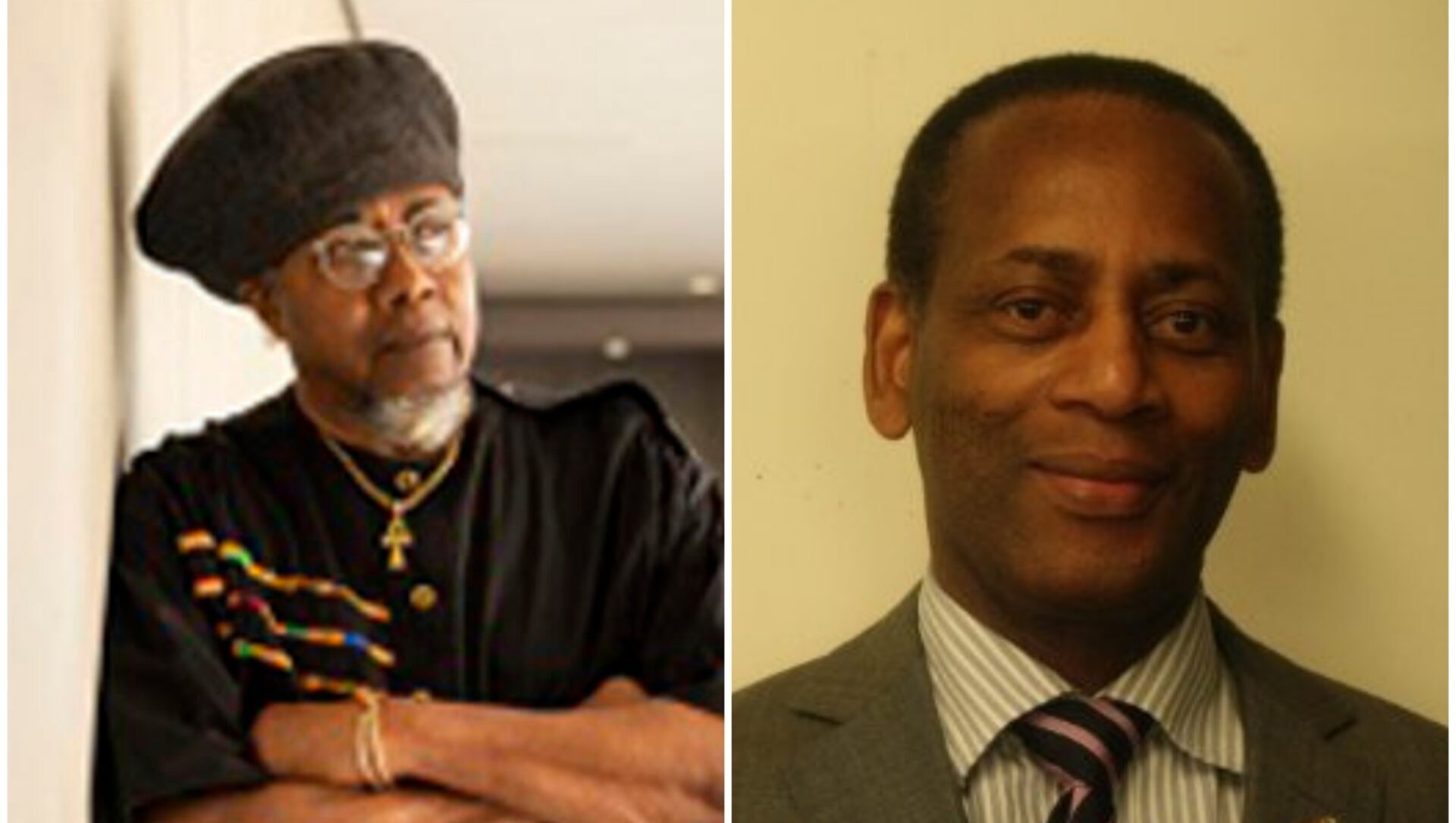
The full day of programming will kick off with a spiritual procession across the island, a quiet tribute to the ancestors who were enslaved and died on St. Eustatius. After the opening procession, a full slate of afternoon and evening educational and cultural events will unfold across the island. The centerpiece of the educational programming will be presentations from two prominent Caribbean scholars: Guyana-born Afrikologist Professor Kimani Nehusi, based in Philadelphia, and Dr. Artwell Cain, a cultural anthropologist from St. Vincent and the Grenadines who resides in Aruba. The pair will tackle critical topics including the enduring historical and cultural connections between the Caribbean and West Africa, and the urgent importance of preserving and honoring collective cultural memory of slavery. Dr. Cain will also celebrate the official launch of his latest book, *St. Eustatius: Restoring Our Ties. The Voices of Statians Making A Difference*, scheduled for June 30, just ahead of the main Emancipation Day events.
Additional featured contributors to the day’s programming include acclaimed St. Maarten storyteller Papa Umpo (born Garfield Young), and Derrick Simmons, an Island Council member, anthropologist, and Alliance steering member who will lead a discussion on the underrecognized role of music as a tool of resistance for enslaved ancestors on St. Eustatius. The evening will close with a community cultural showcase directed by Taro Merkman of the Statia Roots Festival, featuring live performances from local favorites including the Statia String Band, Rebel Band HD, Encore Band, Statia Roots Band, spoken word artists, DJ Sense, and multiple local dance collectives: the Aloei Dancers, Inspired Dancers, and Perlies Dancegroup.
This year’s reimagined observance is also deeply tied to a long-planced landmark cultural event: the upcoming reburial of 69 sets of ancestral African remains, excavated by an international archaeological team from the Golden Rock burial ground in 2021. The formal reburial ceremony is scheduled for November 13, 2026, and organizers are using Emancipation Day to update the community on plans for the historic occasion. As part of the morning’s activities, attendees will visit three key African burial sites across the island: Godet, Congo, and Golden Rock. During the visit, Xiomara Balentina, chairperson of the Statia Cultural Heritage and Implementation Committee (SCHIC), will walk attendees through the finalized logistics and community input process for the upcoming reburial.
Kenneth Cuvalay, president of the St. Eustatius African Burial Ground Alliance and moderator for this year’s Emancipation Day program, shared that additional community-focused events with Professor Nehusi and Dr. Cain will be held in the weeks before and after July 1 to extend the educational reach of the initiative. Two educators from the Broos Institute, an Afrocentric academic organization focused on Black Caribbean history, will also travel to the island to support the educational programming.
“Our shared history remains incomplete and distorted, and we want to center what the community actually wants to learn about their own ancestry,” Cuvalay explained in a press statement. “Our goal is to turn this year’s July Day conversations into long-lasting educational resources that belong to the people of St. Eustatius.” Cuvalay added that he encourages all island residents to participate actively in on-site discussions during the observance, or share their perspectives with organizers via phone, email, or social media if they cannot attend in person.
The 2026 reimagined Emancipation Day programming is funded through partnerships with the St. Eustatius Government and the Slavery Memorial Committee. Organizers have confirmed that all future updates to the event schedule will be posted to the Alliance’s official website and social media channels for public access.