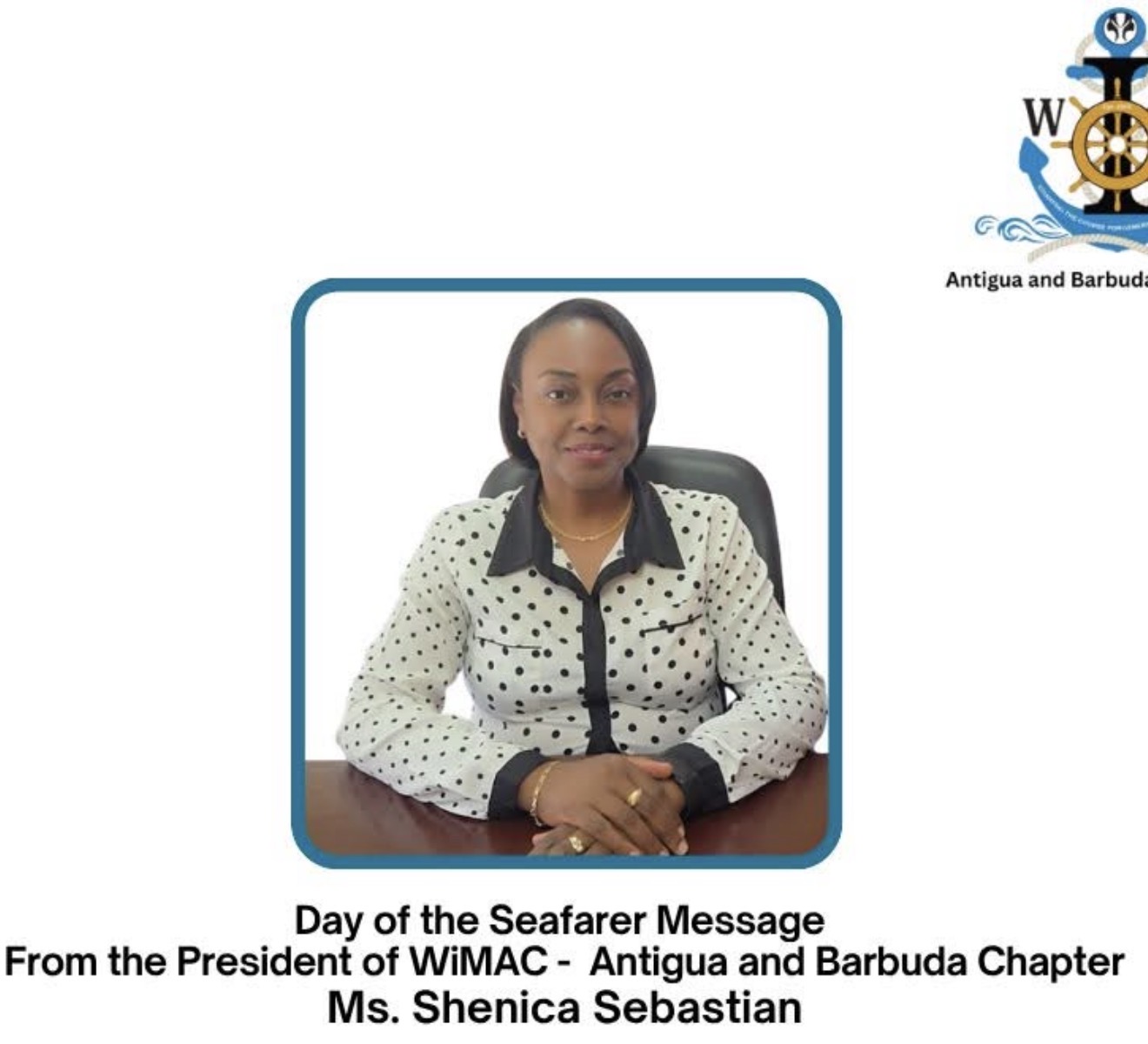
On June 25, maritime communities across the globe come together to observe the annual Day of the Seafarer, a moment dedicated to recognizing the irreplaceable contributions of the men and women who keep international supply chains moving. For the Antigua and Barbuda Chapter of the Women in Maritime Association Caribbean (WiMAC), this day is far more than a symbolic observance: it is a chance to amplify the urgent need for safer, fairer workplaces for seafarers worldwide.
In her official message for the 2024 Day of the Seafarer, Shenica Sebastian, President of WiMAC’s Antigua and Barbuda Chapter, emphasized the foundational role seafarers play in the global economy. Statistics confirm that these skilled maritime professionals enable approximately 90 percent of all international trade, moving goods, resources, and essential supplies from producing nations to consumer markets across every continent. Without their consistent service, the interconnected global economy that billions rely on would grind to a halt.
This year’s official Day of the Seafarer theme, “Carrying world trade. Carrying the risks,” shines a light on a longstanding inequity in the maritime sector: while seafarers bear the responsibility of keeping global commerce afloat, they too often work in unsafe conditions that put their physical and mental health at risk. Sebastian stressed that this unfair burden is unacceptable, noting that the critical work seafarers perform demands equal commitment from global industry and regulatory bodies to protect their well-being.
Sebastian opened her message by extending profound gratitude to seafarers for their extraordinary resilience in the face of persistent challenges, from long periods away from home to unregulated workplace hazards. The Antigua and Barbuda WiMAC chapter stands in solidarity with the International Maritime Organization (IMO) and the global network of Women in Maritime Association chapters around the world in a shared mission to protect these essential frontline workers.
Moving beyond recognition, the organization has outlined clear priorities to drive systemic change in the maritime sector. These include advocating for strict zero-tolerance policies against workplace harassment, expanding opportunities for inclusive leadership that elevates women and underrepresented groups in maritime careers, and establishing secure, confidential reporting mechanisms that allow seafarers to raise concerns without fear of retaliation. Through collaborative action across national and international maritime bodies, Sebastian says WiMAC remains fully committed to building a maritime sector that is safe, equitable, and exemplary for all workers, regardless of rank or gender.