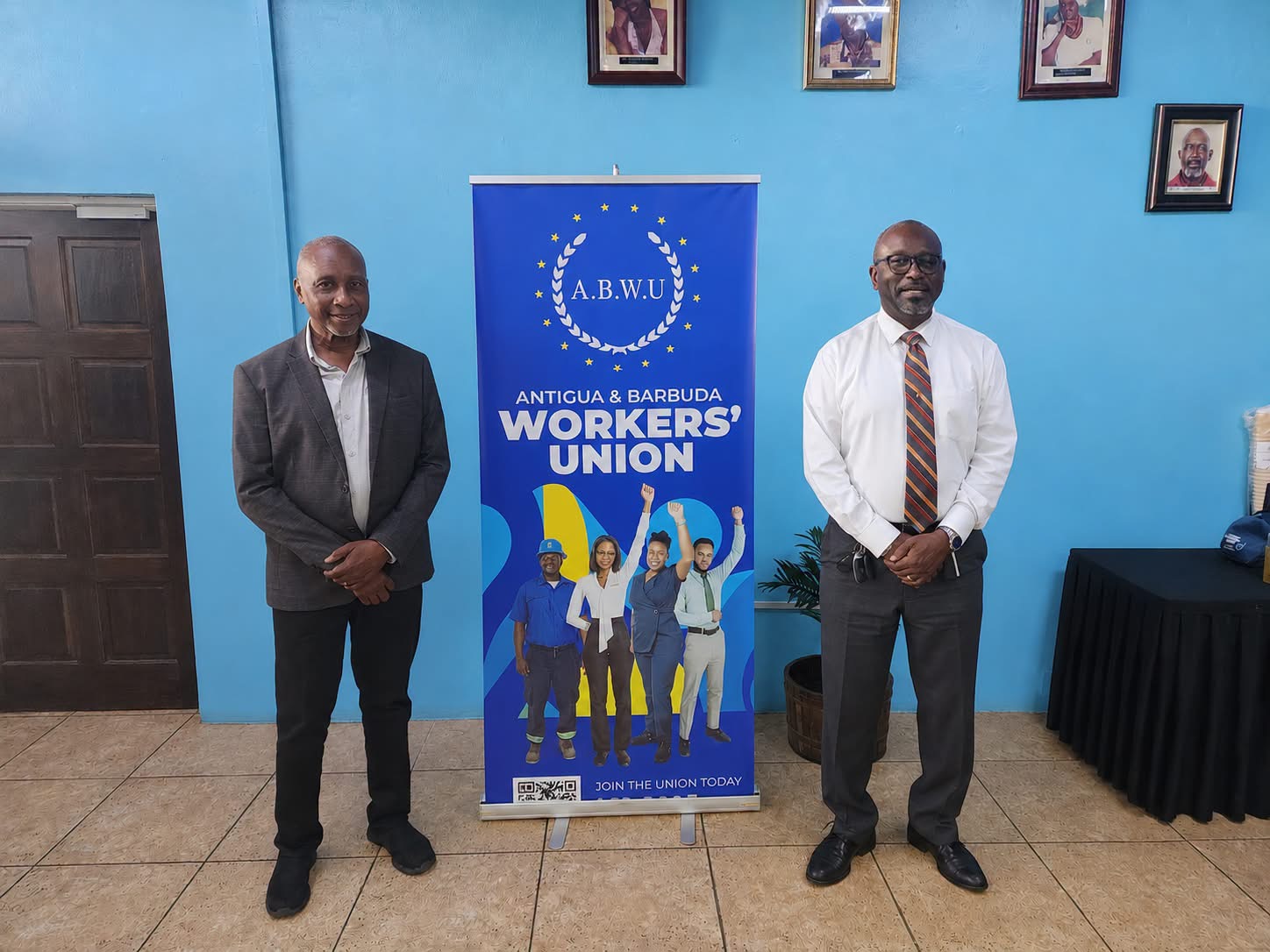
As labor organizations across the Caribbean grapple with shifting membership demographics, a top global labor leader is calling for sweeping strategic overhauls to reverse stagnant engagement and attract the next generation of workers. Trevor Johnson, Vice President of Union Network International (UNI) and former General Secretary of Trinidad and Tobago’s Banking, Insurance and General Workers’ Union, made the case for reform in a recent interview, pushing back against the widespread narrative that young people are inherently apathetic toward organized labor.
Johnson argues that the real barrier to growth is not youth disinterest, but outdated organizing and communication strategies that fail to align with the daily lives and expectations of modern workers. What resonated with veteran union members who joined the movement decades ago, he says, does not work for today’s workforce—and it is time for established labor groups to adapt rather than blame young people for declining membership numbers.
“We need to discover what will attract a young person today, which is not necessarily the same thing that attracted me,” Johnson explained. He pointed to the massive shift in how people access information as a clear example: decades ago, posting physical notices on union office bulletin boards was enough to draw attention from members, but that strategy is obsolete now. “A young person isn’t doing that today. It has to come on their phone, and it has to be one swipe,” he said.
Beyond digital communication, Johnson added that organizers need to leave their office spaces and meet young workers where they already are, rather than relying on traditional, time-consuming phone calls that many younger workers find unappealing. Successful engagement, he stressed, requires actively listening to the specific concerns and goals of younger generations instead of forcing old frameworks onto new audiences.
Johnson also highlighted another critical gap in modern trade union organizing: the need to better include and support women workers. Today’s workforce has a far higher share of women than previous generations, he noted, but most existing collective bargaining agreements are still framed around the needs of male workers. To boost women’s participation, unions must center the unique challenges facing women workers and build outreach strategies tailored to their priorities.
Despite the significant hurdles facing Caribbean labor organizations, Johnson struck an optimistic tone about the future of collective organizing. He emphasized that the core value proposition of union membership—stronger workplace protections, better wages, and collective bargaining power—remains just as relevant today as it was decades ago. The main challenge, he argued, is not the value of the product unions offer, but how it is packaged and presented to new audiences.
“The product that we offer is still a valid product,” Johnson stated. “We simply need to repackage it to ensure that people understand what we’re about.” He closed by reminding the region’s labor movement that unionized workers continue to access far stronger workplace protections than non-unionized peers, and urged leaders to prioritize modernization to secure long-term growth, relevance, and inclusion for the Caribbean labor movement.