At a pre-launch event for a groundbreaking regional ocean science experiment, one of the Caribbean’s most prominent marine scientists has issued a stark wake-up call: unless urgent, decisive action is taken immediately, Barbados could lose more than 95% of its functional coral reef ecosystems by the end of the 2020s.
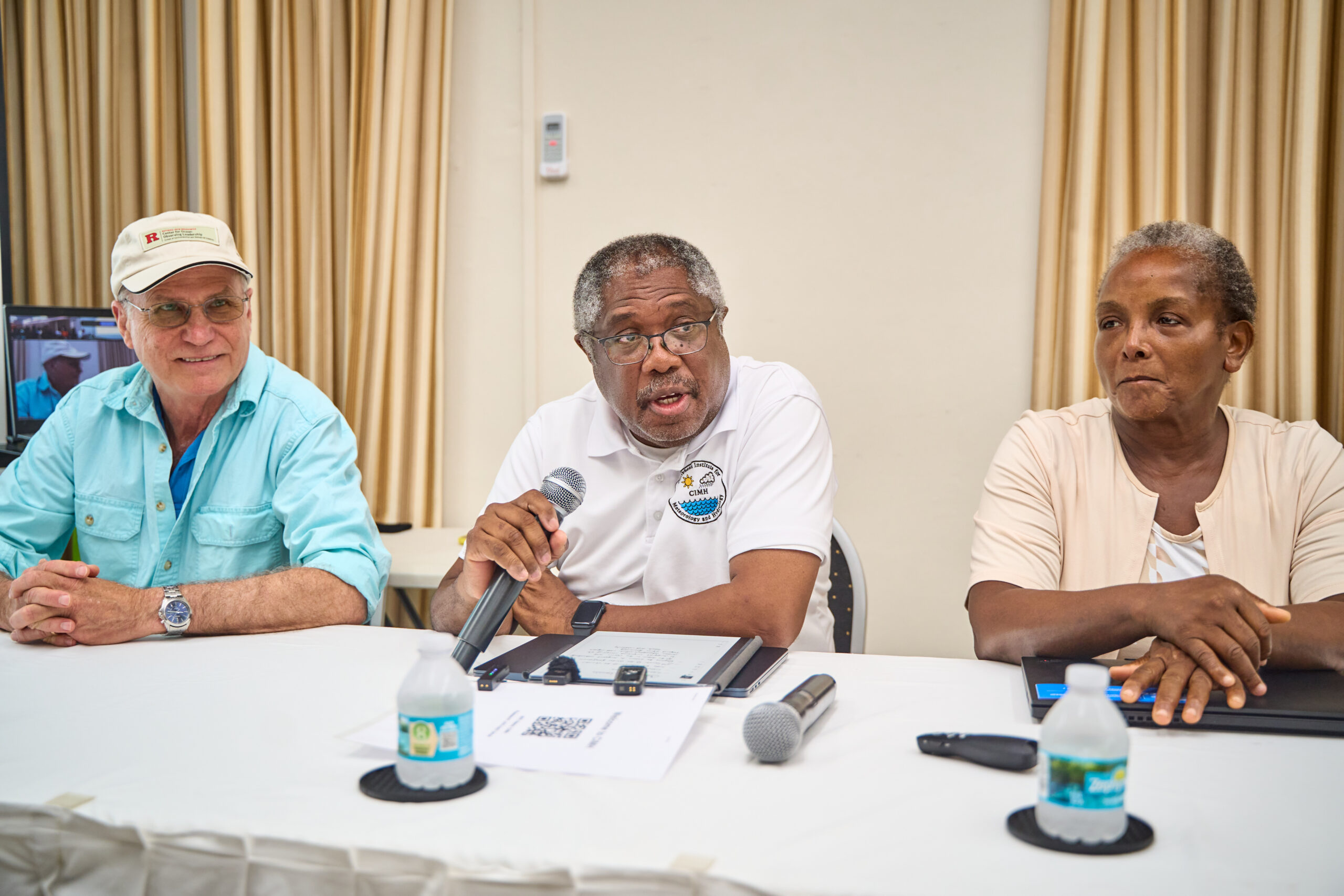
Dr. Lorna V. Inniss, who leads the Intergovernmental Oceanographic Commission of UNESCO’s Caribbean regional office (IOCARIBE) and previously headed Barbados’ Coastal Zone Management Unit, delivered the warning during a media briefing and student workshop hosted Tuesday at the Caribbean Institute for Meteorology and Hydrology (CIMH) in Husbands, St. James. The event was held ahead of the rollout of the Vetlesen Caribbean Hurricane Ocean Glider field experiment, a cross-institutional research initiative aimed at expanding understanding of regional marine systems.
Speaking directly to the next generation of environmental stewards in attendance, Inniss emphasized that the long-term survival of Barbados’ most vital natural resources hinges entirely on the policy and lifestyle choices made by current populations. “This is your home, this is where you build your lives and raise your families,” she told students. “You have a stake in ensuring every decision made today lays the groundwork for sustainability that your children and grandchildren can inherit.”
The veteran researcher pointed to unregulated coastal development and widespread marine pollution as two of the most destructive human-driven forces eroding Barbados’ coastal ecosystems, noting that these activities are already destroying the beaches and reef systems that future generations will depend on for tourism, coastal protection, and food security. She outlined a grim but avoidable projection for Caribbean coral habitats, a trend that hits particularly close to home for the island nation built around its marine resources. “Current trajectories point to fewer than five percent of coral reefs remaining viable by 2030,” Inniss explained. “Without intervention, that means living coral reefs could disappear entirely before today’s students reach retirement age. But this isn’t a done deal – the damage can be reversed if we act correctly now.”
Inniss added that major regional and international bodies, including global development banks, already have frameworks in place to fund and provide technical support for local and regional environmental conservation projects, removing one key barrier to action. She also highlighted new, alarming changes to local marine ecosystems that she witnessed firsthand, underscoring how quickly environmental shifts are unfolding. “This morning, for the first time in my entire career, I spotted sargassum seaweed in Carlisle Bay,” she said. “It has never reached this bay before. That tells us something fundamental has changed, and we need to face that reality head on.”
The urgency of expanding regional ocean research, a priority highlighted by Inniss, was echoed by CIMH principal Dr. David Farrell, another leading Barbadian scientist. Farrell explained that the expanding Vetlesen ocean glider program is designed to fill critical gaps in existing climate and weather knowledge, with far-reaching benefits for both climate action and disaster preparedness. An initial glider mission launched last year spent three months at sea collecting high-resolution ocean data, with research partners from Rutgers University contributing to analysis of the findings.
“One of the core goals of this program is to deepen our understanding of regional ocean systems and improve modeling of ocean-atmosphere interactions, which directly translates to more accurate tropical storm forecasting,” Farrell explained. He noted that more accurate forecasting has become a matter of urgent public safety as climate change drives more intense extreme weather events across the Caribbean, pointing to the devastating impacts of Hurricane Beryl and Tropical Storm Melissa in recent years as proof of this growing risk.
Beyond improving storm tracking, the program will also help scientists document seasonal ocean variability, support sustainable fisheries management, map coastal processes, and refine understanding of how Caribbean waters regulate both regional and global climate patterns. Farrell emphasized that the Caribbean’s vast ocean territories remain vastly understudied, despite their outsized importance to the region’s economy and climate stability. “For all the ocean space that falls within our economic zone, we have barely scratched the surface of understanding how it works,” he said. “This expanding glider initiative will unlock the critical data we need to understand how our waters function, and how they shape both the climate and livelihoods of every community across the Caribbean.”