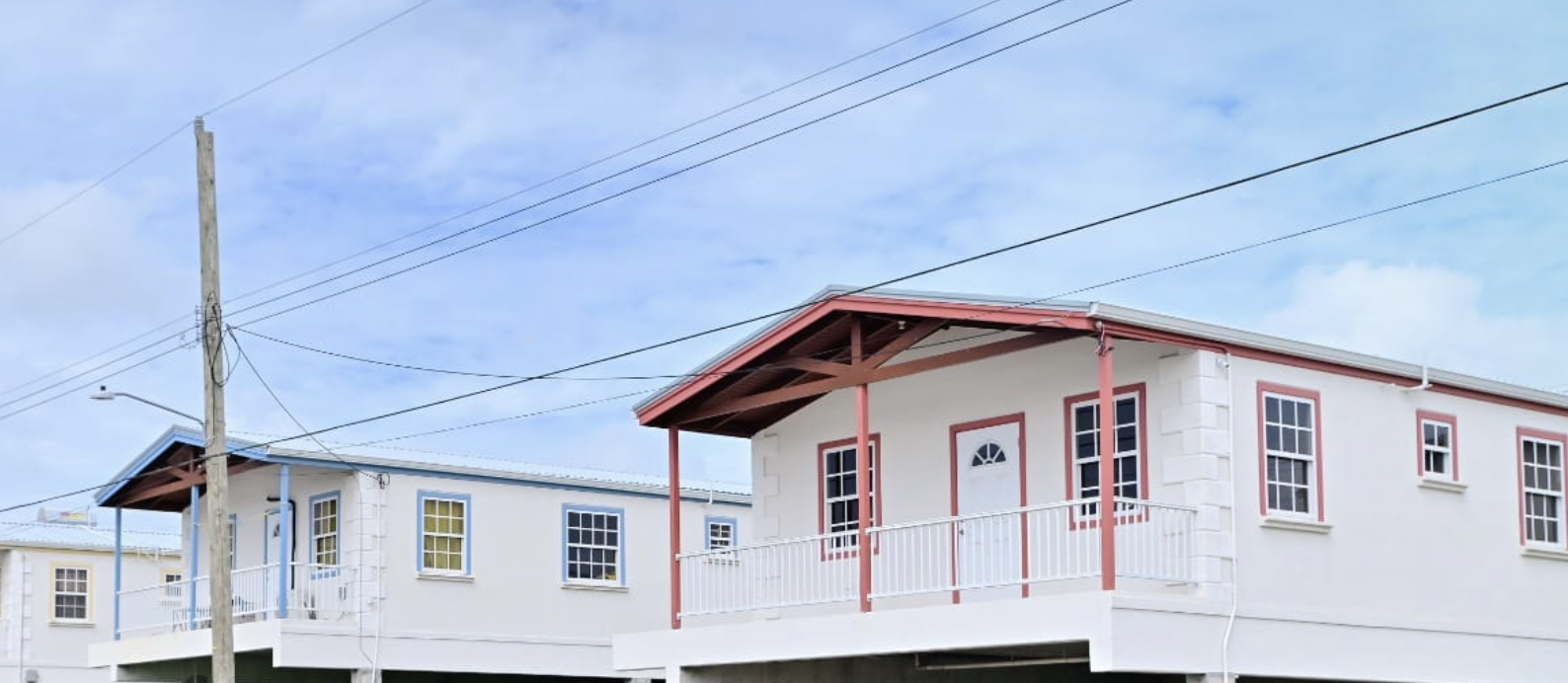
A anonymous prospective homebuyer in Barbados has leveled allegations against state-owned affordable housing developer Home Ownership Providing Energy (HOPE) Inc, claiming that recent adjustments to the program’s income eligibility thresholds have effectively pushed homeownership out of reach for the low-income households the initiative was designed to serve. The accuser, who requested anonymity to avoid professional or social retaliation, told local outlet Barbados TODAY that she was already in the final stages of selecting a property when she learned of the changes to the eligibility framework.
Founded with a non-profit mandate to expand access to attainable housing for lower-income Barbadian workers, HOPE has forcefully and categorically rejected the claimant’s assertions, maintaining that the organization’s core mission and published home pricing structure have remained unaltered since launch.
Chief Sales Officer Nicôle Layne clarified in an official statement to Barbados TODAY that while the government has twice approved Cabinet-backed adjustments to the program’s maximum income cap, the changes were explicitly designed to expand access to homeownership for a wider cross-section of working Barbadians, not to exclude lower-income applicants. The first adjustment, rolled out in October 2022, raised the upper net monthly income limit to BBD $5,000, opening eligibility to frontline public sector workers including nurses, educators and law enforcement officers who previously fell above the old threshold. A second increase, approved by Cabinet in May 2024, raised the cap further to BBD $6,000 net monthly income to accommodate additional middle-income workers across both public and private sectors.
Layne emphasized that these revisions to the income cap have not harmed eligibility for low-income applicants. She laid out the full current qualification criteria for the program: applicants must be at least 18 years of age, a Barbadian citizen or legal resident, hold consistent steady employment for a minimum of two years, have no prior ownership of land or residential property, and earn no more than the current $6,000 net monthly cap after statutory deductions. Layne confirmed that even applicants earning as little as $2,500 net per month remain fully eligible to apply, and are still referred to partnering financial institutions for mortgage assessment per the standard process.
Under HOPE’s current application workflow, qualifying applicants are considered for available homes in the order their completed applications are received. Before a residential lot is allocated, applicants must submit updated financial documentation including a formal mortgage pre-approval certificate and pass a final pre-qualification review. After the applicant selects and is allocated a lot, HOPE issues a formal Intent of Sale letter, after which the applicant secures mortgage financing directly from their chosen lending institution. Layne noted that while HOPE staff provide extensive guidance to applicants throughout the process, final mortgage approval decisions rest exclusively with independent financial institutions and fall outside the organization’s control.
The controversy comes amid a broader period of restructuring and oversight for the embattled housing initiative. In March 2024, then Minister of Housing Dwight Sutherland informed Parliament during the annual Estimates debate that the government had cut nearly $1 million from HOPE’s operating budget as part of a sweeping restructuring effort aimed at addressing documented inefficiencies and widespread public criticism of the program. Later that same year, the initiative faced intense public scrutiny after Prime Minister Mia Mottley publicly acknowledged ongoing “teething problems” in HOPE’s early operations, following the uncovering of troubling operational issues by the ruling administration.
Two separate independent investigations were ultimately authorized: an internal departmental review and a full forensic audit led by Barbados’ Auditor General. In an official response to the Auditor General’s Special Audit, dated April 2, 2025 and included in the public audit report, HOPE acknowledged that the investigation found clear, significant shortcomings in the organization’s early operations, particularly around the ability to deliver new housing in a cost-effective, efficient and timely manner. The company, however, noted that new leadership and the implementation of targeted strategic reforms have addressed these early gaps, and the public can be confident that all identified concerns are being actively remediated.