By Michael Derek Roberts
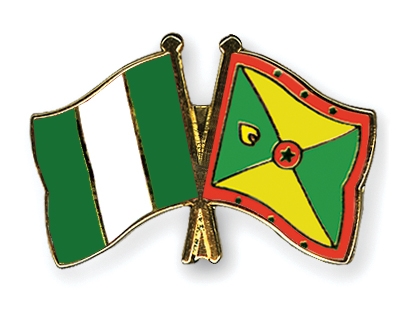
For small island nations across the Caribbean, economic survival and growth depend entirely on the ability to expand beyond traditional trading and diplomatic partnerships. Now, the Caribbean country of Grenada is taking a deliberate, ambitious step in that direction: opening full visa-free access to Nigerian passport holders, a policy shift that extends far beyond a simple update to immigration rules. This move represents a calculated strategic gambit to broaden Grenada’s diplomatic and economic footprint far beyond its conventional focus on the Caribbean and North Atlantic regions.
Against a global backdrop where small developing states face fierce competition to attract investment, tourism revenue, skilled talent and new trade routes, Grenada is wagering that stronger bilateral ties with Nigeria will unlock untapped opportunities across the vast African diaspora. Beyond the visa waiver itself, the island government has outlined plans to deepen collaboration across five key sectors: trade, tourism, investment, education, with the long-term goal of establishing direct air connectivity between the two nations.
This initiative marks a meaningful departure for a country of Grenada’s size, signaling an outward-facing foreign policy that frames diplomacy not as a purely ceremonial practice, but as a core driver of economic expansion. The move is also rooted in practical economic necessity. For decades, Grenada’s economy has relied heavily on tourism, service sector exports and foreign exchange inflows, making any policy that opens access to new markets a high-stakes, high-reward proposition. Nigerian entrepreneurs, investors, students and professional workers represent a promising new stream of economic activity, with particular potential for growth in healthcare, sustainable agriculture, real estate and financial services. If Grenada can translate initial diplomatic goodwill into tangible, regular cross-border exchanges, the gains will reach far beyond increased tourist arrivals and formal diplomatic statements.
What makes this development particularly significant is its timing and symbolic weight. Connections between African and Caribbean nations have been gaining renewed global and regional attention in recent years, and Grenada is positioning itself as an active bridge between the two regions, rather than a passive bystander. This is no small step: while many small Caribbean states pay lip service to the abstract ideal of South-South cooperation, few have taken decisive, concrete action to turn that vision into reality. For Grenada, Nigeria is the logical starting point for this new push: as Africa’s most populous nation and one of its largest and most dynamic economies, it offers unmatched access to the continent’s fast-growing markets.
Yet success is far from guaranteed. The visa-free announcement is only the first step in a long process of implementation. The true test of the policy will be whether Grenada can build out the required administrative frameworks, transport infrastructure, business facilitation systems and sustained diplomatic follow-through to turn its policy of openness into measurable economic gains. Concrete actions — from launching direct flights between the two countries to streamlining business entry procedures and forging active private-sector partnerships — will make all the difference, but these steps must move from planning and discussion to on-the-ground delivery.
The policy also carries a broader geopolitical message. Grenada is making clear that small Caribbean nations can pursue ambitious, commercially focused, globally connected foreign policies without sacrificing their national or regional identity. This brand of quiet, strategic diplomacy — rooted in smart alignment rather than loud geopolitical posturing — is exactly what can deliver tangible benefits for small states. If executed well, the new Grenada-Nigeria partnership could serve as a replicable model for other Caribbean governments looking to deepen tangible, economically profitable and culturally meaningful ties with African nations.
In the final analysis, Grenada’s outreach to Nigeria is best defined as a bold bet on shared, mutual opportunity. It will only stand as a successful diplomatic masterstroke if it delivers real growth in trade, tourism, investment and people-to-people exchange. If it does, Grenada will have transformed a simple visa policy change into a far larger story of repositioned economic diplomacy across the Atlantic.
*Disclaimer: NOW Grenada does not take responsibility for opinions, statements or third-party content contributed by external authors. To report inappropriate content, follow the official channel for abuse reports.*