The 2025 Barbados Secondary Schools’ Entrance Examination has delivered a mix of celebration and urgent concern for the island nation’s primary education system, after one standout campus claimed the country’s top performing boy and girl, while educators sound the alarm over plummeting national English proficiency scores.
St Gabriel’s Primary School emerged as the clear standout of this year’s exam results, securing the top two overall scores for male and female candidates, and placing four of its students in the national top 10 rankings. But even as the school community celebrates this historic achievement, local educators are using the moment to draw attention to a growing systemic challenge: a sharp, nationwide drop in English performance that they warn threatens foundational learning across all subject areas.
Official data shows the national average English score fell more than eight points this year, dropping from a mean of 72.5 in 2024 to 64.2 in the 2025 exam cycle. This decline has prompted educators across the country to call for urgent, system-wide action to rebuild student reading habits, which they identify as the core root of the poor English outcomes.
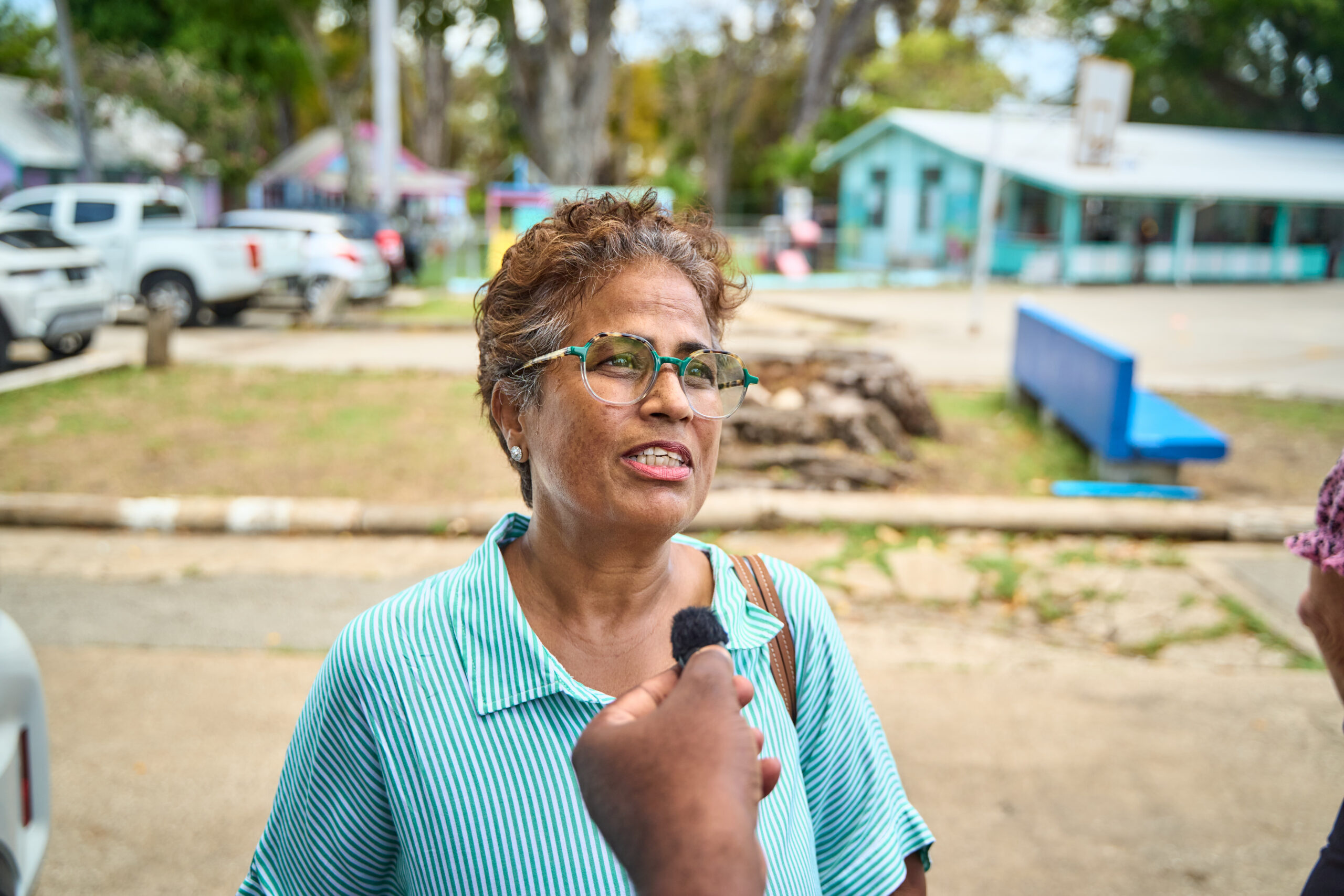
Annabelle Thornton, a Class 4 teacher at St Gabriel’s who instructed this year’s top female performer Xiomara Alexis Lascaris, told reporters she is immensely proud of her students’ successes, and credits the school’s holistic, balanced approach to education for its top results. Unlike many institutions that narrow their focus exclusively to high-stakes exam core subjects, Thornton explained St Gabriel’s prioritizes a broad curriculum that nurtures well-rounded learners.
“I feel extremely proud of Xiomara and every one of our students who sat this exam,” Thornton said. “They put in tireless work for months, and these results are a testament to that effort.” She added that the school does not funnel all its resources into mathematics and English test preparation alone, instead ensuring students get regular exposure to science, Spanish, religious education, drama and music to build diverse skills.
At the same time, Thornton emphasized that even at high-performing St Gabriel’s, reading remains a non-negotiable foundational priority that the school prioritizes every day. “Reading is the base of all learning, full stop. It doesn’t matter what subject you’re teaching — if a student can’t read fluently and with comprehension, they can’t succeed,” she explained. “That’s why I believe every primary school across the country needs to make expanding reading opportunities a top priority right now, given these falling English scores.”
To build reading proficiency, Thornton said St Gabriel’s integrates a wide range of reading materials into daily lessons, from traditional comprehension exercises to newspaper articles, general interest magazines and sports publications that meet students’ individual interests. “We push reading more than many other skill areas because it is the foundation that everything else builds on. There’s no way around it,” she said.
Beyond a broad curriculum and strong reading focus, Thornton added St Gabriel’s longstanding commitment to project-based learning and extracurricular engagement has helped its students grow into confident, articulate, well-prepared learners. “We’ve always structured our program around termly projects, which get students applying their skills to real topics rather than just memorizing for tests,” she said. “We’re a balanced school that cares about more than just test scores, and that shows in how our students perform and present themselves.”
Kirsty Lashley, another St Gabriel’s educator who worked with this year’s cohort of top performers, echoed Thornton’s praise for her students’ hard work, while noting that the school community remains focused on students still waiting for their results. “I’m absolutely delighted for the students who have already seen their hard work pay off with these strong scores, but we’re also thinking of those who haven’t received their results yet,” Lashley said. “Every single one of these students worked incredibly hard over the past year, and they all deserve recognition for that effort. When it comes to our school’s success this cycle, I think we’ve just been truly blessed.”
As the country processes the 2025 entrance exam results, the call for expanded reading investment in primary education is expected to move to the forefront of education policy discussions on the island, as educators work to reverse the ongoing decline in English performance.