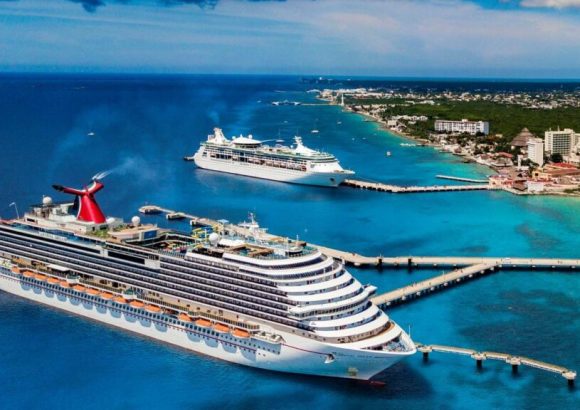
The Dominican Republic’s tourism sector, long the nation’s economic cornerstone, has avoided a potentially damaging decline in cruise arrivals after proactive intervention from Tourism Minister David Collado, who moved swiftly to reverse operational cuts from major global cruise lines.
Collado has made it clear from the start of his administration that his team’s priority is delivering tangible, on-the-ground projects that drive long-term, stable growth for the country’s $10 billion-plus tourism industry. Beyond infrastructure upgrades that include new public park development, beachside problem resolution, and critical seawall restoration, the ministry is focused on protecting visitor volumes to key destinations such as Puerto Plata, which is on track to welcome more than 2.6 million cruise passengers this year alone.
When data from the peak travel months of May, June, and July raised red flags for the cruise segment—one of the highest contributors to tourism revenue in the Dominican Republic—Collado moved quickly to address the slowdown rather than waiting for the decline to deepen. “We were elected to govern, not just observe,” he noted, emphasizing that proactive problem-solving is a core responsibility of public leadership in the sector. “I cannot allow tourism to decline or for a false perception to arise that the sector is shrinking. A public administrator must prevent and act before problems occur.”
Collado recently held direct, high-level talks with C-suite executives from three of the world’s largest cruise operators: MSC Cruises, Royal Caribbean, and Carnival Cruise Line. During those discussions, he flagged an alarming roughly 30% drop in scheduled operations at Dominican ports from some lines. Further analysis revealed a key driver of the shift: the opening of new port infrastructure in the Bahamas, which had siphoned off multiple itineraries originally planned for the Dominican Republic.
Recognizing that tourism is the Dominican Republic’s most valuable economic asset, Collado’s team prioritized immediate negotiation to reverse the losses. In a rare win for the country—given that cruise itineraries are typically locked in up to two years in advance—Royal Caribbean agreed to adjust its scheduled routes to add 48,000 additional passenger arrivals to the Dominican Republic. Of that total, nearly 18,000 extra visitors will arrive in a month that was originally projected to post negative growth for cruise tourism.
Collado has since publicly thanked Royal Caribbean for the adjustment via his social media channels, choosing to withhold granular details of the negotiations to preserve the collaborative, trust-based relationships his ministry has built with all private sector cruise partners.
Looking ahead, the minister attributes emerging positive results in the Dominican tourism sector to consistent, coordinated planning between the Ministry of Tourism (Mitur) and private industry stakeholders, a partnership that works continuously to strengthen the country’s competitiveness as a top Caribbean destination.
“Good news doesn’t happen by chance. It’s the result of taking action, working hard, seeking consensus, and overcoming obstacles every day so that Dominican tourism continues to grow,” Collado said.