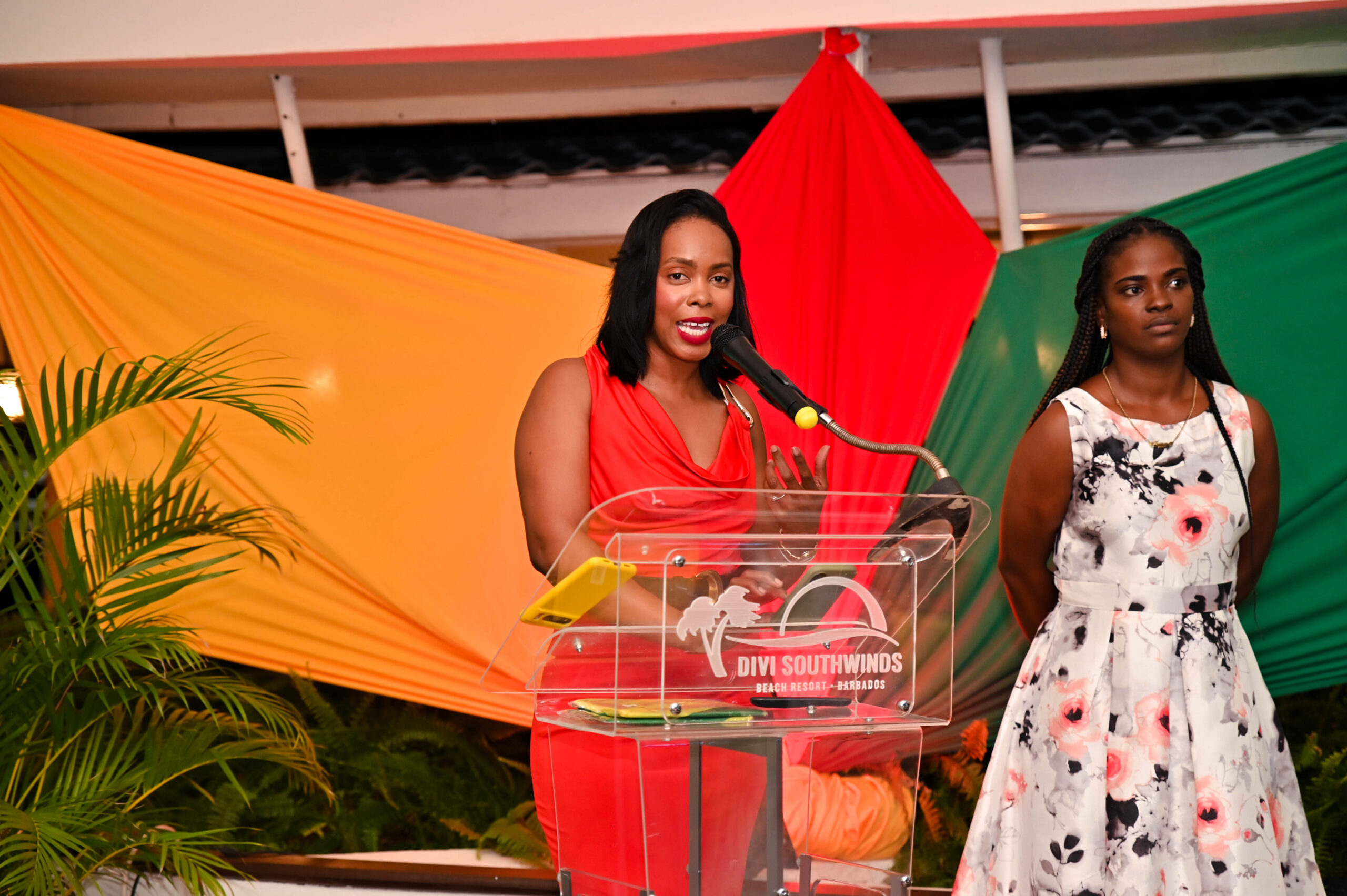
The Caribbean tri-island nation of Grenada is embarking on a strategic repositioning of its tourism sector, shifting away from overreliance on its classic sun-and-coast appeal to draw more regional travelers with a broad, curated lineup of cultural, adventure, culinary, wellness and event offerings. Tourism officials laid out this new growth strategy this week during a media and travel industry dinner held at Divi Southwinds Hotel, where leaders highlighted the one-of-a-kind experiences that set the three-island destination apart from other Caribbean getaways.
Samantha Thomas, Marketing Executive at the Grenada Tourism Authority, told attendees that the country’s deep roots in history and culture form the foundation of its unique appeal, alongside its well-earned title as the “wreck dive capital of the Caribbean.” Comprising the main island of Grenada, plus the smaller neighboring islands of Carriacou and Petite Martinique, the destination delivers what Thomas calls “a vacation within a vacation” — a layered experience that caters to every type of traveler, from thrill-seeking divers to slow-paced wellness seekers.
Thomas put particular emphasis on Grenada’s fast-growing reputation as a top culinary tourism destination, noting the country is home to seven operational chocolate factories that offer immersive, farm-to-bar experiences for visitors, alongside a wide range of food-focused activities that highlight its native spices and local culinary traditions. She also showcased the country’s robust eco-tourism portfolio, which includes scenic rainforest nature trails, holistic wellness retreats, and one-of-a-kind marine attractions. Most notable among these is the world’s first ever underwater sculpture park, a bucket-list attraction that many travelers previously associated with far-flung destinations like Bali.
“You don’t have to fly 19 hours to Bali to check that iconic experience off your list,” Thomas explained. “Our underwater sculpture park is just a short trip for regional travelers — literally half an hour by boat from the main island, and a much shorter flight from most Caribbean neighboring countries. It’s exactly the kind of unique, must-see experience that draws visitors from across the region.”
Beyond signature attractions, Thomas also outlined the destination’s rapidly expanding events calendar, which now extends far beyond Grenada’s world-famous annual Spice Mas carnival. This year marked the first ever staging of Carriacou’s Lobster and Lambi Festival, and the country already hosts a popular annual Dive and Conservation Festival that combines recreational diving with marine conservation outreach. Later in 2024, the country will launch its inaugural Grenada Flower Festival, a new event inspired by the nation’s unprecedented success at the UK’s iconic Chelsea Flower Show, where Grenadian horticulturalists have claimed 19 gold medals over the years.
“We’ve decided to turn that award-winning floral legacy into a full public festival that visitors can enjoy,” Thomas said, adding that the new event will be especially appealing to travelers interested in floral design, destination weddings, and group getaways like girls’ trips. She also highlighted the Grenada Diaspora Homecoming event, an initiative modeled after Barbados’ successful We Gatherin’ program that aims to reconnect Grenadians living overseas with their home country and encourage them to visit with friends and family.
Charmaine Gibbs, a representative of local tourism group Insights Grenada, urged visitors to the main island to make time to travel to Carriacou, the smaller “sister island” that remains largely untouched by mass tourism and offers a quiet, authentic Caribbean experience. “No visit to Grenada is truly complete without experiencing the natural beauty and warm hospitality of Carriacou,” Gibbs said.
Gibbs also emphasized that regional cooperation in tourism has grown more critical than ever in the post-pandemic travel landscape, arguing that Caribbean residents should take advantage of the world-class, unique experiences available right on their own doorsteps, rather than traveling long distances for bucket-list trips. “Now is the time to open our doors to each other across the region,” Gibbs said. “We can give fellow Caribbean islanders the chance to experience those once-in-a-lifetime trips that people often spend a whole lifetime saving to do — and we have all of it right here, within a short flight or boat ride from home.”