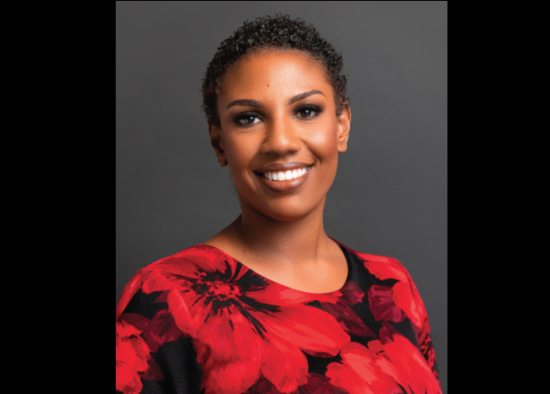
The United Nations Food and Agriculture Organization (FAO) is honoring the legacy of Dr. Shelly-Ann Cox, Barbados’ late Chief Fisheries Officer, following her unexpected death, hailing her as a transformative trailblazer who redefined sustainable fisheries management across the Caribbean island nation and left an indelible mark on the entire region.
In an official tribute released after her passing, the FAO described Dr. Cox as an irreplaceable strategic collaborator whose work drove critical progress in sustainable fishing and aquaculture through forward-thinking policy design, strengthened institutional governance, and an unwavering dedication to the long-term growth of the global blue economy. The entire FAO team covering Barbados and the wider Caribbean expressed deep sorrow over the loss of the leader, who reshaped the sector in just three years in her role as chief officer.
From the start of her tenure, Dr. Cox worked hand-in-hand with FAO as an ally to advance sustainable fisheries development across Barbados and the Caribbean, aligning local efforts with the UN body’s Blue Transformation vision for ocean sustainability. In her short time in the top role, she delivered outsized impact, drawing on deep technical expertise, a collaborative leadership style, and a persistent focus on empowering the next generation of fisheries professionals. Her vision, drive, and devotion to fishing communities stood out as unmatched among regional peers, FAO noted.
One of Dr. Cox’s most landmark achievements was guiding Barbados’ 2023–2033 National Fisheries Policy through its final development and approval stages, an initiative backed by FAO funding and technical support. Under her leadership, the policy broke new ground by introducing innovative frameworks to add value to fish by-products, turning what was long categorized as discarded waste into new opportunities for economic growth and reduced environmental impact. Her success in turning policy text into actionable, on-the-ground change has already become a model for other Caribbean nations working to advance their own sustainable fisheries transitions.
Planning to update and modernize Barbados’ outdated fisheries legislation began before the COVID-19 pandemic, and when public health priorities shifted short-term focus to developing the national fisheries policy through the FAO-supported StewardFish Project, Dr. Cox never abandoned her broader goal of reforming the entire legal framework for aquatic food system sustainability. Building on the foundation laid during the policy development process, she took a central role in steering the drafting and adoption of Barbados’ 2025 Sustainable Fisheries Management and Development Act, a flagship initiative of the island’s government.
Her technical knowledge and leadership shaped this ground-breaking legislation, which strengthens fisheries governance, boosts environmental protection standards, expands social safety nets for fishing communities, and ensures Barbados maintains access to key international markets by meeting the compliance requirements of the U.S. Marine Mammal Protection Act. Through these systemic reforms, Dr. Cox secured a lasting legacy that will benefit Barbados’ fisheries resources and the thousands of families that depend on the sector for generations, FAO emphasized.
In a May 2026 meeting with FAO leadership, just shortly before her passing, Dr. Cox laid out her bold long-term vision: that Barbados could reach the milestone of zero fish waste by 2028. That ambitious target reflected both her relentless drive for progress and her confidence in the gains the country had already made toward building a sustainable, circular bioeconomy for aquatic food systems.
Dr. Cox’s final professional projects with FAO underscored her enduring commitment to advancing regional fisheries development. These included wrapping up work on a new guide to anchored Fish Aggregating Devices (aFADs), a common fishing practice across the Caribbean, and launching a regional study on dolphinfish maturity. Barbados was selected as the pilot nation for this initiative by the Western Central Atlantic Fishery Commission (WECAFC), a choice that reflected the widespread regional confidence in Dr. Cox’s leadership and Barbados’ technical capacity under her direction.
Tributes continue to flow in from colleagues, project partners, and industry stakeholders who worked alongside Dr. Cox on FAO-backed initiatives, all of whom highlight that beyond her far-reaching professional achievements, she will be remembered for her warm personality, contagious passion for her work, and unwavering commitment to lifting up others. Her collaborative approach united diverse stakeholders around shared goals, her leadership inspired confidence and urgent action, and her genuine kindness left a lasting impact on every person she worked with.
While her sudden passing has left a deep gap across the regional fisheries community, FAO notes that the impact of her life’s work and the legacy she leaves behind will continue to shape progress across Barbados, the Caribbean, and all the communities and institutions she served with such passion. “Rest well, Dr. Cox. We will miss you,” the tribute concludes.