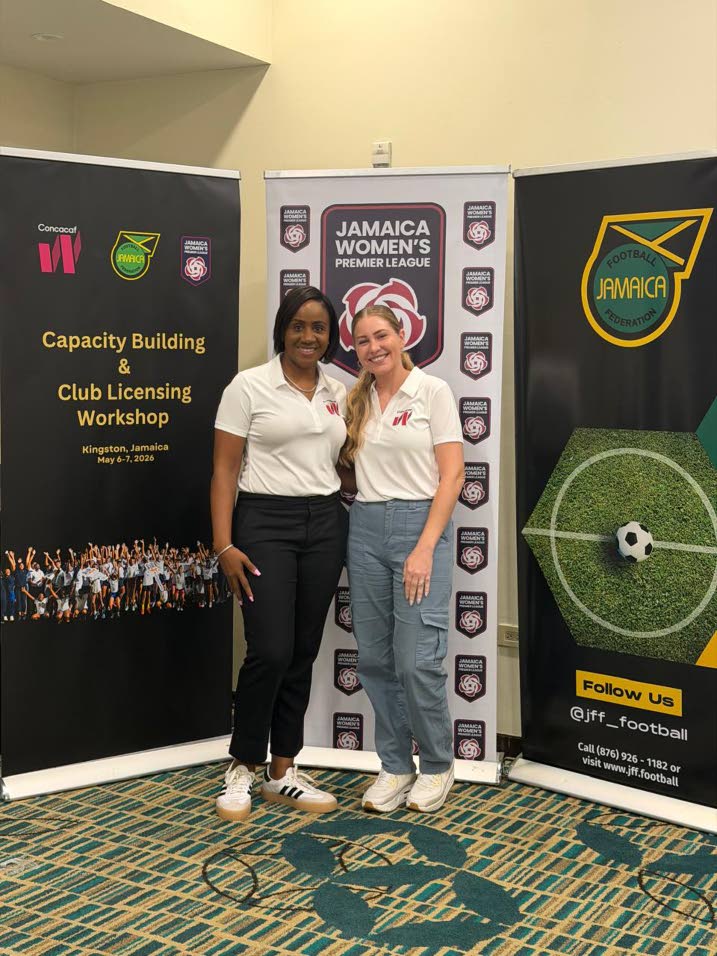
Jamaican women’s football is entering a new phase of structured growth, with boosting women’s representation in senior administrative and leadership positions emerging as a core priority for the Jamaica Football Federation (JFF) as it works to expand the sport across the country.
In a recent collaborative launch alongside global governing body FIFA and Professional Women’s Football Jamaica Limited (PWFJL), the JFF unveiled an ambitious Women’s Strategic Plan that maps out a clear set of development goals to be achieved by 2031. While growing the pool of professional female players and certified women coaches stands as two central pillars of the 10-year plan, Carlene Edwards, chair of the JFF Projects Committee for Women’s Programmes, emphasized in an interview with the Jamaica Observer that closing the gender gap in football administration is equally critical to long-term, sustainable progress.
Though Jamaica already counts several high-profile women in key football leadership roles — including JFF vice-president Elaine Walker-Brown, PWFJL chair Christina Hudson, and Reggae Girlz national team manager Crystal Walters alongside Edwards — women still remain significantly underrepresented across administrative bodies at all levels of the sport. Edwards notes that a large pool of current and former female players are eager to contribute their expertise to grow the game, but have long lacked structured pathways to step into leadership roles.
“What I’ve seen over the past two years of my direct involvement is that there are so many women, both active current players and retired athletes, who want to give back to the sport that shaped them — but they don’t want to put their time and energy into unstructured, unfocused initiatives,” Edwards explained. “They want to join a system where work is already being driven forward, where their contributions will matter. On the Jamaica Women’s Premier League side, we work hard to keep our programs moving forward, so my recommendation to the JFF is to hire a dedicated head of women’s football that can fully own the execution of this new strategic plan. Right now, no single person is positioned to own this work full-time, even with our committee in place to support progress.”
Marlo Sweatman, a retired former midfielder who was part of Jamaica’s historic 2019 FIFA Women’s World Cup squad — the first Caribbean team to ever qualify for the tournament’s knockout stage — echoed Edwards’ observations, saying she and dozens of her former compatriots are ready and willing to step in to support the growth of the next generation.
“Honestly, I don’t think there are nearly enough accessible opportunities for former players to stay involved in the sport,” Sweatman said. “We’ve made clear progress in recent years, but there is still so much more work to be done. Former players carry so much unique knowledge and hard-won experience that can lift up emerging athletes, whether that contribution comes in coaching, administrative leadership, or player development. We need far more structured pathways for players to step into these roles after they retire from competition.”
Sweatman pointed to established transition programs in top North American leagues as a model for Jamaica to adapt. “In the MLS, WNBA, and NBA, there are formal programs that create clear pathways for former players to move into full-time roles within the industry, whether that’s in the corporate side of the sport or in development roles that let them share their experience,” she noted. “Right now, that kind of structured pathway just doesn’t exist for women’s football in most parts of the world, including here. There’s real potential here, and I’d love to see more former players get the chance to get involved.”
For Edwards, the ultimate goal is to turn the growing enthusiasm among current and retired female players into tangible, lasting leadership change that will secure the future of Jamaican women’s football. “At the league level, we’re almost ready to support full execution of our strategic programs in any way we can, and we’ve already met so many young women who are eager to give back,” she said. “One of my core commitments is identifying these passionate women and training them up to take on leadership roles. Christina and I won’t be in these positions forever, so we need to build a smooth leadership transition. When we step away, we need a new generation of leaders ready to carry forward the work we’ve started. That’s my biggest passion: building a talent pool of skilled women leaders, getting them into positions of responsibility, and getting to work building a better future for women’s football in Jamaica.”