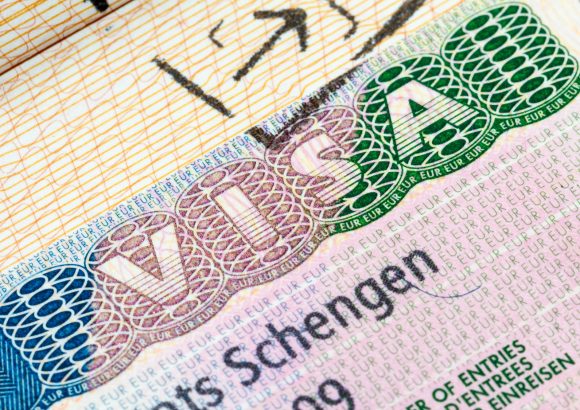
SANTO DOMINGO – The Dominican Republic continues to make steady progress in its campaign to secure short-term visa-free entry to the Schengen Area, but persistent challenges linked to document fraud still stand as a major barrier to reaching the goal, according to the nation’s top diplomat.
In a recent interview on the Gepiano Podcast, Foreign Minister Roberto Álvarez outlined the steps the Caribbean country has already taken to satisfy the European Union’s strict criteria for visa exemption. The rollout of biometric passports, a security upgrade that aligns Dominican travel documents with global standards, stands as one of the most critical milestones achieved to date, Álvarez noted.
However, gaining visa-free access to the 27-nation Schengen Zone is not contingent on a single reform. European regulators weigh a broad set of factors when evaluating candidate countries, including the robustness of overall document security frameworks, the reliability of national identity verification protocols, and the effectiveness of border and migration management systems. Álvarez acknowledged that in one key area, the Dominican Republic still falls short of EU expectations.
The rate of fraudulent travel and identification documents detected during immigration and consular processing remains above the maximum threshold that European authorities have established as acceptable for visa exemption, the foreign minister confirmed. To address this gap, Dominican government agencies have launched coordinated cross-institutional efforts to strengthen document verification infrastructure, overhaul national identification procedures, and crack down on rampant document forgery networks operating within the country.
Despite the current challenges, Álvarez struck an optimistic tone about the long-term outcome of the country’s efforts. He expressed confidence that the Dominican Republic will ultimately meet all requirements and unlock visa-free short-term travel for its citizens, a change that would deliver far-reaching benefits for Dominicans traveling to Europe for tourism, business ventures, academic study, and cross-cultural exchanges. Beyond direct benefits for individual travelers, Álvarez added that the push for Schengen visa exemption is a core component of the government’s broader strategy to boost the Dominican Republic’s global standing and expand safe, accessible mobility opportunities for all of its citizens.