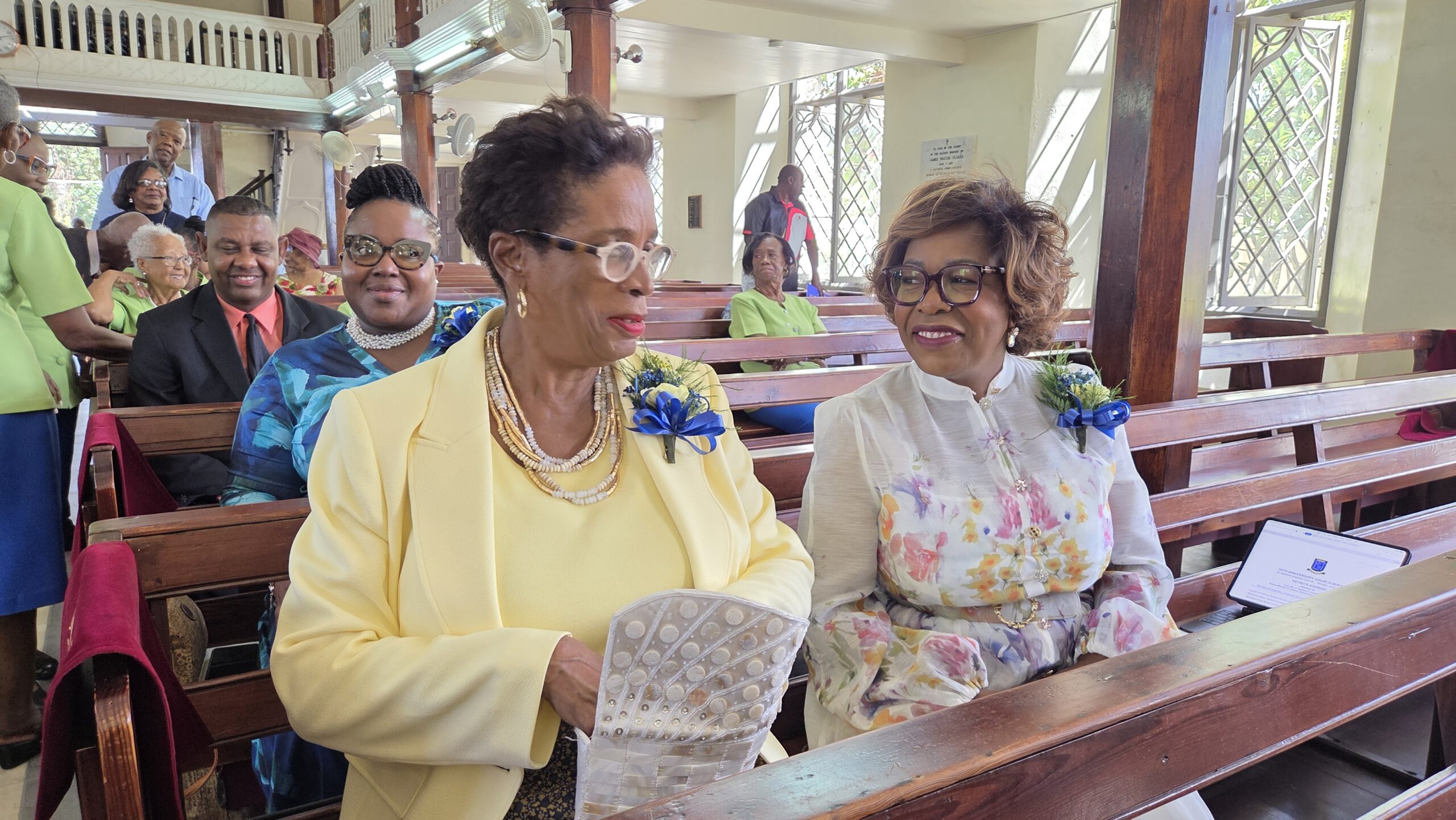
As Barbados’ flagship National Insurance and Social Security Service (NISSS) marked its 59th year of operation, acting Social Security Minister Sandra Husbands has issued a urgent call to rebuild the community-focused mutual care ethos that has anchored the program since its launch, warning that the core collective spirit driving the island’s world-class social safety net is fading at the grassroots level.
Husbands delivered the keynote address at the NISSS anniversary commemoration held at St Matthias Anglican Church, stepping in for incumbent Labour Minister Colin Jordan. Opening her remarks, she highlighted that Barbados’ social security framework outperforms most peer nations across the Caribbean and the wider world in the scope of benefits it offers to residents. This broad, inclusive coverage, she emphasized, grew directly from the island’s long-held cultural commitment to collective care and mutual support.
But that foundational commitment is now under threat, Husbands warned. While the NISSS institution itself continues to uphold the principles of mutual aid, the shared community values that make the system viable have begun to weaken among ordinary Barbadians. To reverse this trend, she argued, the island must deliberately rekindle public understanding of interconnected responsibility: that all members of Barbadian society are bound to one another, each holding a obligation both to their neighbors and to themselves to uphold the system that protects everyone.
The NISSS operates on a foundational principle of intergenerational and cross-community solidarity, Husbands explained. Currently employed workers contribute to support retirees; healthy, able-bodied residents cover benefits for those living with illness and vulnerability; and this generation invests in the security of those who will come after. Over its nearly six decades of operation since its 1967 founding, the service has evolved continuously to meet shifting societal needs, adapting its structure to address new economic and public welfare challenges.
Key updates to the program over the years include the introduction of a dedicated Health Service Contribution to sustain the island’s main public care facility, Queen Elizabeth Hospital, and the creation of the Resilience and Regeneration Fund, designed to cushion households and businesses from financial hardship during periods of broad economic shock. A more recent restructuring that rebranded the program from the original National Insurance Scheme to the National Insurance and Social Security Service has also brought critical improvements for independent workers: the new framework allows self-employed Barbadians to contribute on a more flexible schedule, qualify for contributory old-age pensions, and grow their small businesses with the stability of guaranteed income security.
Other expanded access improvements have extended non-contributory pensions to residents living with physical and mental disabilities, boosting their quality of life and reducing financial insecurity. To protect the system for future decades, NISSS has also implemented targeted pension revitalization reforms that will keep the NIS Fund financially strong and sustainable for coming generations. Most recently, the service played a central role in the government’s cost-of-living relief efforts, administering direct cash credits to households struggling with rising prices.
For Husbands, this wide-ranging impact makes clear that the NISSS is far more than a collection of individual benefits: it is a living embodiment of the collective care that holds Barbadian society together, and its long-term strength depends on reviving that spirit in communities across the island.