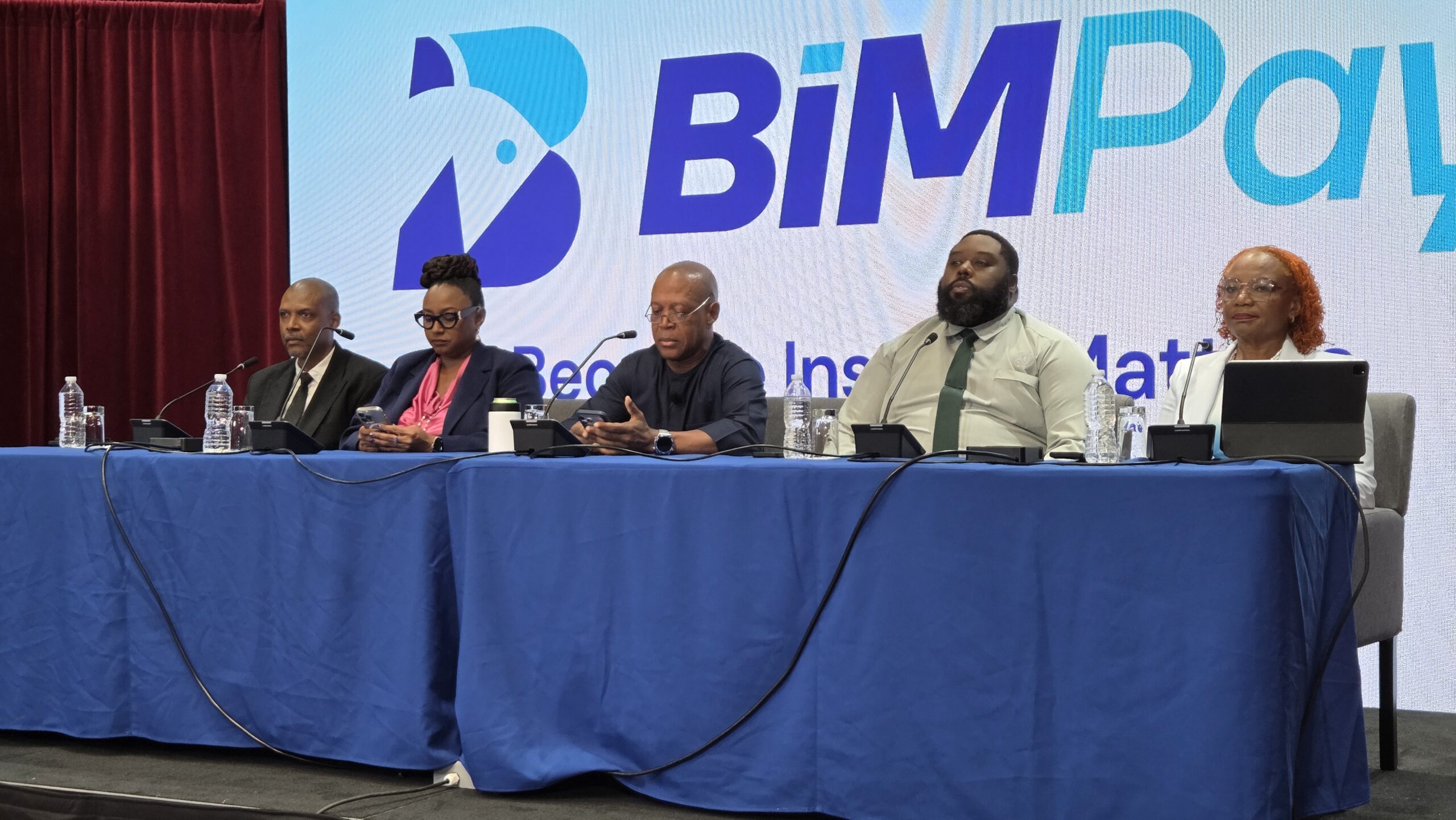
Against a global backdrop of rapid digital transformation in financial transactions, the Central Bank of Barbados has moved to calm public uncertainty around the future of physical cash, confirming on Monday that the island nation will not implement a mandatory shift to a fully cashless economy. Central Bank Governor Dr. Kevin Greenidge made the clarification during a press briefing addressing the launch of BiMPay, Barbados’ new nationwide instant digital payment system, which went live last Friday.
Greenidge emphasized that while cash will retain its status as legal tender and remain in permanent circulation, the growing adoption of convenient digital platforms like BiMPay is expected to trigger a gradual, organic decline in cash usage over time. He pointed to successful instant payment infrastructure rollouts across major global markets as a precedent, noting that systems such as Brazil’s Pix, India’s Unified Payments Interface (UPI) and Thailand’s PromptPay all led to a natural reduction in cash reliance without government mandates forcing out physical currency.
“Where you have a convenient alternative, people naturally shift away from cash,” Greenidge explained. “Look at markets like China, India and Kenya — once scanning QR codes for payment becomes widespread, many merchants prefer digital transactions, and consumers opt for them out of convenience. Today, the average person carries debit cards, credit cards, digital wallets and a small amount of cash; people will naturally choose the option that works best for them, and many will decide cash is bulky and unnecessary, that shift just doesn’t need to be forced.”
In its first 48 hours of operation, the BiMPay platform processed roughly 20,000 transactions totaling nearly $8 million, marking a strong early uptake of the new infrastructure by Barbadian consumers and businesses.
Beyond addressing concerns about the future of cash, Greenidge also moved to dispel growing public fears that participating financial institutions would introduce new transaction fees for BiMPay use. The governor stressed that peer-to-peer and consumer-to-business transactions on the platform will remain permanently free, and any bank seeking to implement fees must first secure formal approval from the Central Bank, which he has no intention of granting for these transaction types.
“Central Bank remains the primary regulator for this payment system, and we have not stepped back from that role,” Greenidge said. “Person-to-person and person-to-business transactions on BiMPay will stay free, that policy is not changing, and no financial institution can alter that without our sign-off.”
Greenidge also highlighted the transformative potential of BiMPay for small and micro businesses across Barbados, noting that the platform removes cost barriers that have historically locked many small operators out of card-based digital payments. Traditional credit card processing requires expensive point-of-sale terminals that carry ongoing fees, putting that infrastructure out of reach for many small proprietors such as local rum shop owners. With BiMPay, any business can simply download the mobile app and generate a free QR code, allowing customers to scan and pay directly into the merchant’s bank account at no cost.
“This system saves small businesses money that they would otherwise spend on terminal fees, and it also lets them avoid missed sales from customers who don’t carry enough cash,” Greenidge added. “That accessibility is core to what we want this platform to deliver — inclusive growth that supports small operators across the country.”