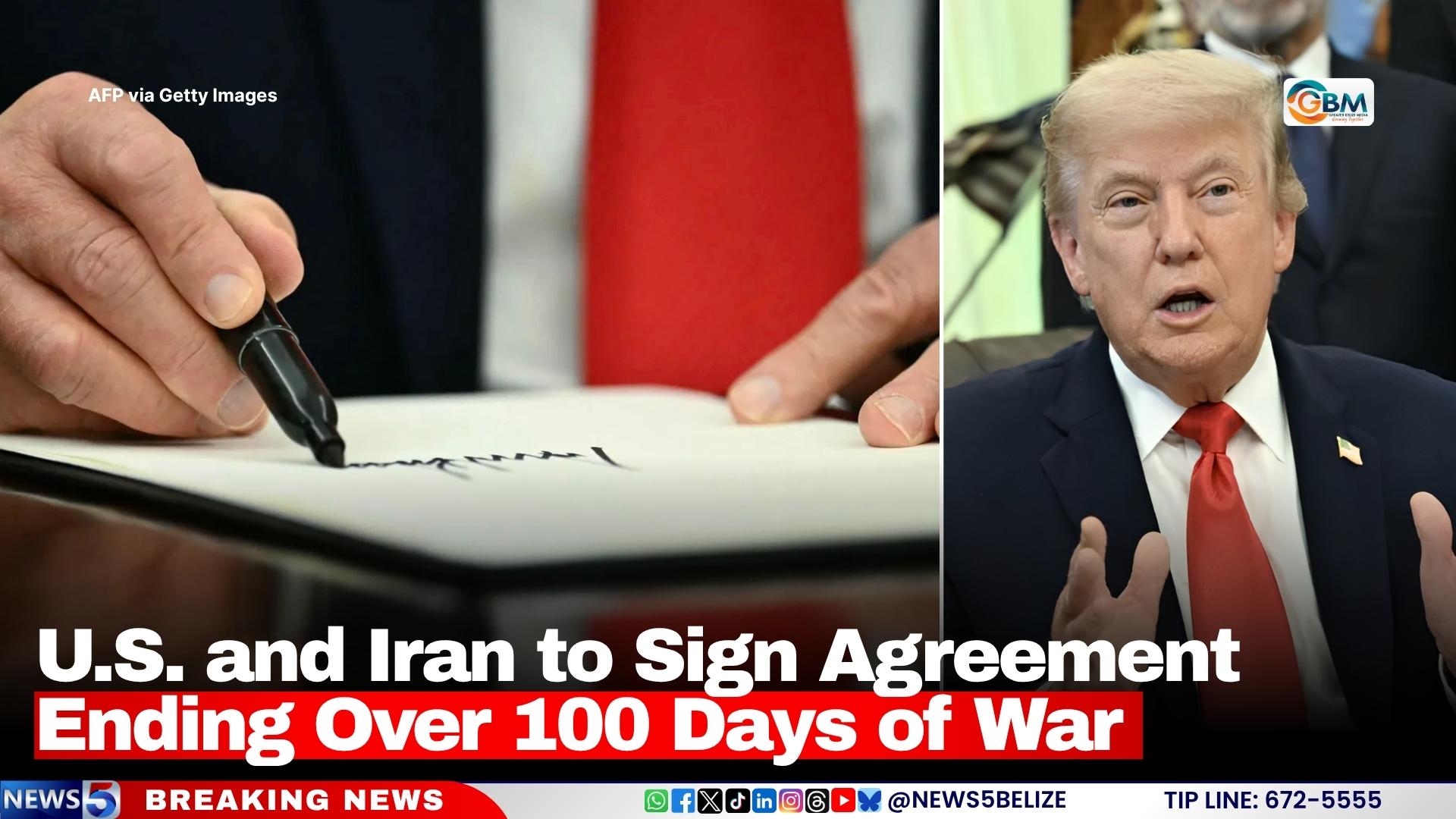
Four months of open military conflict between the United States and Iran will come to a formal close this week, after negotiators finalized a landmark ceasefire agreement set for signing in Geneva, Switzerland on Friday. But the fragile truce faces a major existential threat before the ink is even dry: Israel’s steadfast refusal to pull its occupying forces out of Lebanese territory, a core condition of the deal.
Iran’s Supreme National Security Council announced the terms of the agreement in an official statement released on Sunday, confirming that all military operations across every active front—including the conflict zone in Lebanon—would cease immediately and permanently as of Sunday night. The statement also confirmed that the full U.S.-led naval blockade on Iranian territorial waters would be lifted without delay, opening global shipping lanes to commercial traffic once again.
Pakistan, which played a key behind-the-scenes role as the neutral mediator for the months-long negotiations, confirmed the upcoming signing ceremony in a statement from Prime Minister Shehbaz Sharif’s office. Iranian Deputy Foreign Minister added that following the initial ceasefire signing, negotiators will enter a 60-day extended negotiating window to hammer out a full, comprehensive long-term agreement that addresses outstanding geopolitical disputes between the two nations.
Former U.S. President Donald Trump, who has been a prominent voice pushing for an end to the conflict, celebrated the breakthrough on his social media platform Saturday. “I hereby fully authorise the toll-free opening of the Strait of Hormuz, and, simultaneously herewith, authorise the immediate removal of the United States Naval blockade. Ships of the World, start your engines. Let the oil flow!” he wrote.
The deal almost collapsed entirely just hours before it was finalized, however, when Israeli Defense Forces carried out a strike on the southern suburbs of Beirut. Trump told U.S. news outlet Axios in an interview that he was “furious” over the uncoordinated attack, which delayed the finalization of the ceasefire by multiple hours, and hit out at Israeli Prime Minister Benjamin Netanyahu, arguing he had demonstrated poor judgment in greenlighting the strike.
Tensions remain high after the ceasefire announcement, with Israeli Defense Minister Israel Katz confirming Monday that Israeli forces will maintain an open-ended military presence in Lebanese territory, as well as positions in Syria and Gaza. That stance puts the entire agreement at risk, according to veteran Israeli political commentator Gideon Levy, who spoke to Al Jazeera Monday. “It’s very, very fragile,” Levy said of the truce. “Israel is still in Lebanon, has no intention to withdraw from Lebanon, and as long as the troops are there, there will be no total ceasefire.” The comment echoes broader warnings from global analysts that unresolved Israeli occupation of Lebanese land could reignite cross-border violence and unravel the U.S.-Iran breakthrough.