After more than three months of open conflict that roiled global energy markets and raised fears of a wider regional war, a landmark peace agreement between the United States and Iran has been reached, Pakistani Prime Minister Shehbaz Sharif, who led the mediation effort, announced Sunday. The deal mandates an immediate and permanent halt to all military operations across every active front, including the ongoing confrontation in Lebanon between Israel and Iran-aligned Hezbollah.
Sharif confirmed the breakthrough in an official post on X, stating that the agreement is fully finalized and a formal signing ceremony is scheduled to take place on June 19 in Switzerland. He extended gratitude to both American and Iranian negotiating teams for choosing diplomatic dialogue over continued confrontation, and also acknowledged the supportive mediation roles played by leaders from Qatar, Saudi Arabia, and Turkey in facilitating the talks.
Shortly after Sharif’s announcement, US President Donald Trump – marking his 80th birthday on Sunday – issued his own official confirmation of the deal. In his statement, Trump announced he had authorized the full reopening of the Strait of Hormuz to commercial shipping and the immediate lifting of the US naval blockade that had been imposed on Iranian ports in response to Iran’s earlier closure of the strategic waterway. “Ships of the World, start your engines. Let the oil flow!” Trump said in the address.
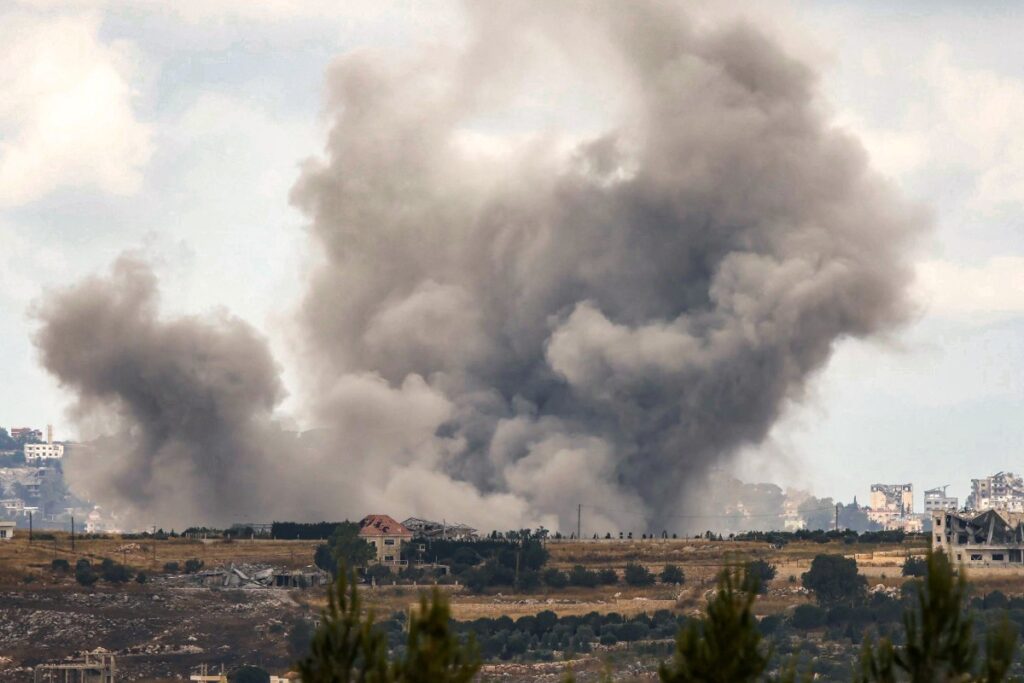
The road to Sunday’s announcement was marked by last-minute turbulence that nearly derailed the agreement. Just hours before the confirmation, an Israeli airstrike targeting Hezbollah strongholds in the suburbs of Beirut – an action Iran had warned would derail diplomatic progress – left Tehran refusing to issue a formal confirmation of the deal and declined to share a clear timeline for finalizing an agreement. Earlier Sunday, Trump himself publicly blamed Israel for the delay, saying the uncoordinated strike had pushed back progress on the agreement.
This is not the first time an Israeli strike on Beirut’s southern suburbs has disrupted ceasefire efforts. A similar attack earlier this year triggered a sharp escalation: Iran responded with a massive barrage of retaliatory missiles, and Israel launched follow-up strikes, breaking a weeks-long quiet that had held since April.
Tehran has consistently maintained that any final peace agreement must address the parallel conflict in Lebanon, where Israel has waged a months-long military campaign against Hezbollah, the Iranian-backed militant group. The current round of conflict erupted in late February, when US and Israeli forces launched joint strikes on Iranian targets. Iran retaliated with attacks on Israel and regional US allies, and effectively shut down all commercial ship traffic through the Strait of Hormuz – the world’s most critical chokepoint for global oil and natural gas supplies, which carries roughly a fifth of the world’s daily oil consumption. In response, the US imposed a full naval blockade on traffic entering and exiting Iranian ports, escalating the economic and military standoff.