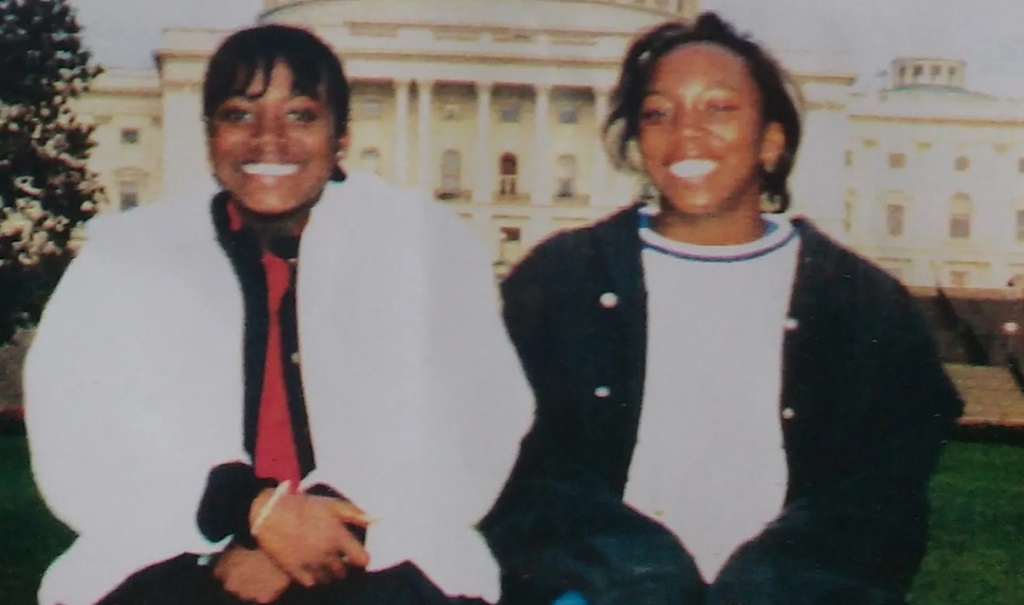
On May 29, a deeply personal true-crime film that took half a decade to complete finally made its public debut, shining a long-overdue light on one of Toronto’s most heartbreaking 1990s homicides. *Ottey Sisters*, the 110-minute feature centered on the 1995 murders of young Jamaican-Canadian sisters Marsha and Tami Ottey, arrived via U.S.-based pay-per-view platform Theater Giant, bringing a story shaped by personal grief and decades of unresolved trauma to global audiences.
The film’s visionary, Dwight Benjamin — a Los Angeles-based filmmaker born in Jamaica’s Clarendon Parish and raised in Toronto — is no outside observer to this tragedy. At the time of the killings, 14-year-old Benjamin was romantically involved with Tami Ottey, the younger of the two sisters, and had spent years integrating into the Ottey family home. In a raw interview with *Observer Online*, he recalled how single mother Avis Ottey welcomed him like her own son, cooking meals for the pair, driving them to Tami’s football matches, and building a warm, loving home that Benjamin still holds close decades later.
In the summer of 1995, that peaceful life was shattered. Marsha Ottey, 19, three years Tami’s senior, was days away from moving to the United States to take up a competitive track scholarship at the University of Arkansas. When she rejected the persistent advances of her ex-boyfriend Rohan Ranger, Ranger and his cousin Adrian Kinkead drove to the Ottey home and carried out the brutal double killing. It was Avis Ottey, returning home early that day to help her older daughter pack for her move, who made the devastating discovery of her daughters’ bodies.
Today, Benjamin, now in his mid-40s and a formally trained filmmaker educated at the Theater of Arts Hollywood, stepped into multiple roles for the project: he wrote the screenplay, directed the film, and even appears on screen as himself, while actor Tamara Gilmore takes on the role of Tami. Funding the entire $150,000 production out of pocket, Benjamin spent five years shooting the project on location in Los Angeles, all with the full blessing of Avis Ottey — the matriarch of the Ottey family, who Benjamin still speaks to regularly, decades after the tragedy.
For Benjamin, the process of making the film was as much a journey of healing as it was an act of remembrance. “It was difficult to relive that era. That entire time shaped my adulthood. That trauma was real and this movie process helped with dealing with it,” he explained. The pair still grieve together, sharing memories, crying over their loss, and processing the frustration of a justice system that granted Ranger parole in 2022, after he served just 24 years of his sentence. Kinkead, who was convicted of the murders in 1999, remains incarcerated to this day.
More than three decades on, *Ottey Sisters* stands not just as a true-crime drama, but as a tribute to two young women with their whole lives ahead of them, and a testament to the enduring bond between a grieving mother and the boy who once called her family his own.