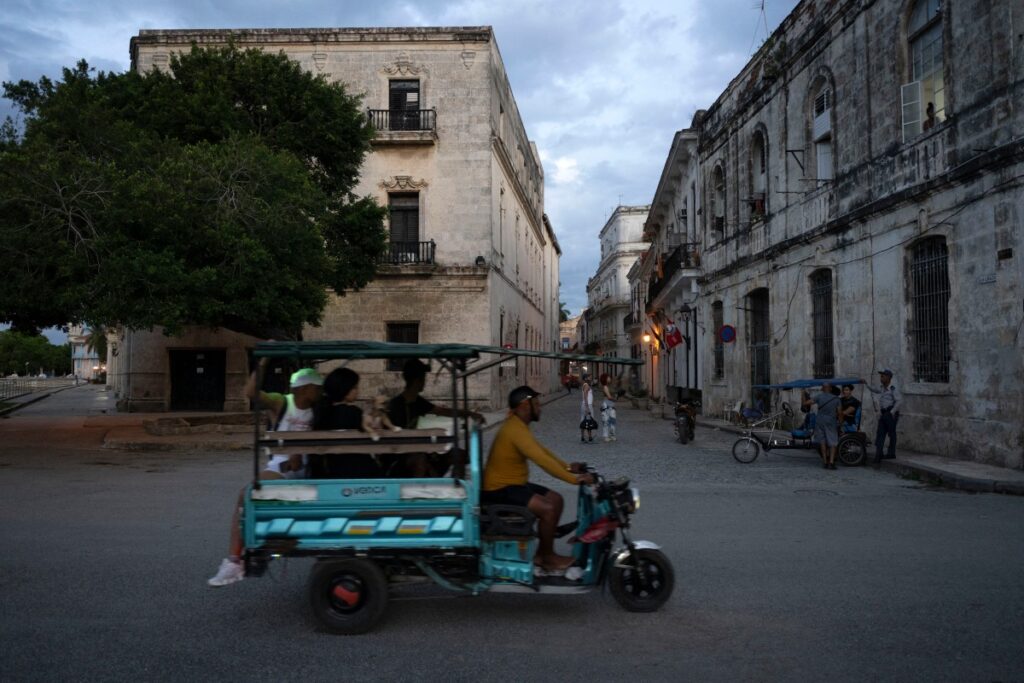
In a sharp escalation of economic pressure on Havana, the United States unveiled new sanctions Thursday targeting Cuba’s central state-owned energy enterprise, Union Cuba-Petroleo (CUPET), the entity that controls nearly all of the Caribbean nation’s crude extraction, refining and fuel distribution networks.
U.S. Secretary of State Marco Rubio said in an official statement that the designation was rooted in claims that key CUPET assets were illegally seized from U.S. property holders decades ago. The sanctioning action imposes a full ban on any financial dealings between the firm and all U.S. persons and entities, cutting off another critical lifeline for Cuba’s already collapsing energy sector.
This latest move builds on a series of aggressive policy shifts the Trump administration has pursued against Cuba since earlier this year. Back in January, shortly after a U.S.-backed military operation ousted Venezuelan leader Nicolas Maduro from power, the Trump administration cut off all remaining oil shipments from Venezuela, which had been Cuba’s primary crude supplier for years. Since that order, only one Russian-flagged oil tanker has successfully delivered fuel to the island, amid repeated U.S. threats to sanction any third country that provides economic or energy assistance to Cuba.
Trump has openly framed his administration’s policy as an effort to end more than 60 years of communist governance in Cuba, and has repeatedly claimed that the island nation—located just 93 miles off the coast of Florida—poses an acute national security threat to the U.S. Just this week, he even raised the prospect of a full U.S. “takeover” of the country of 9.6 million people.
Even before Thursday’s new sanctions, the longstanding U.S. trade blockade and expanded restrictions on firms doing business with Cuban state entities had already pushed Cuba into its worst economic and energy crisis in 30 years. Cuban officials confirmed Wednesday that the U.S. oil restrictions have already disrupted United Nations humanitarian operations, blocking the delivery of 170 containers of critical aid supplies to the island. In recent days, residents of the capital city of Havana have endured rolling blackouts that leave parts of the city without electricity for up to 30 consecutive hours, and shortages of basic necessities including food, clean running water and prescription medicine have grown increasingly severe across the country.