One of Barbados’ most influential labour umbrella groups is pushing for urgent nationwide discussions on the island’s growing labour market crisis, following a bombshell announcement that a decades-old leading construction firm is set to implement immediate job cuts that have reignited debates over the country’s conflicting employment trends.
The Congress of Trade Unions and Staff Associations of Barbados (CTUSAB) made the call after 66-year-old construction giant CO Williams revealed in an internal June 5 memo circulated to all employees that it would begin rolling out redundancies as early as the coming Friday. The company, which got its start in 1960 when founder Charles Williams launched a small earthmoving operation, attributes the planned cuts to long-running operational hurdles and a steady decline in its global and regional competitiveness.
The layoff plan has already sparked fierce pushback from the Barbados Workers’ Union (BWU), which is now demanding the company release concrete data and evidence to back up its decision to cut jobs.
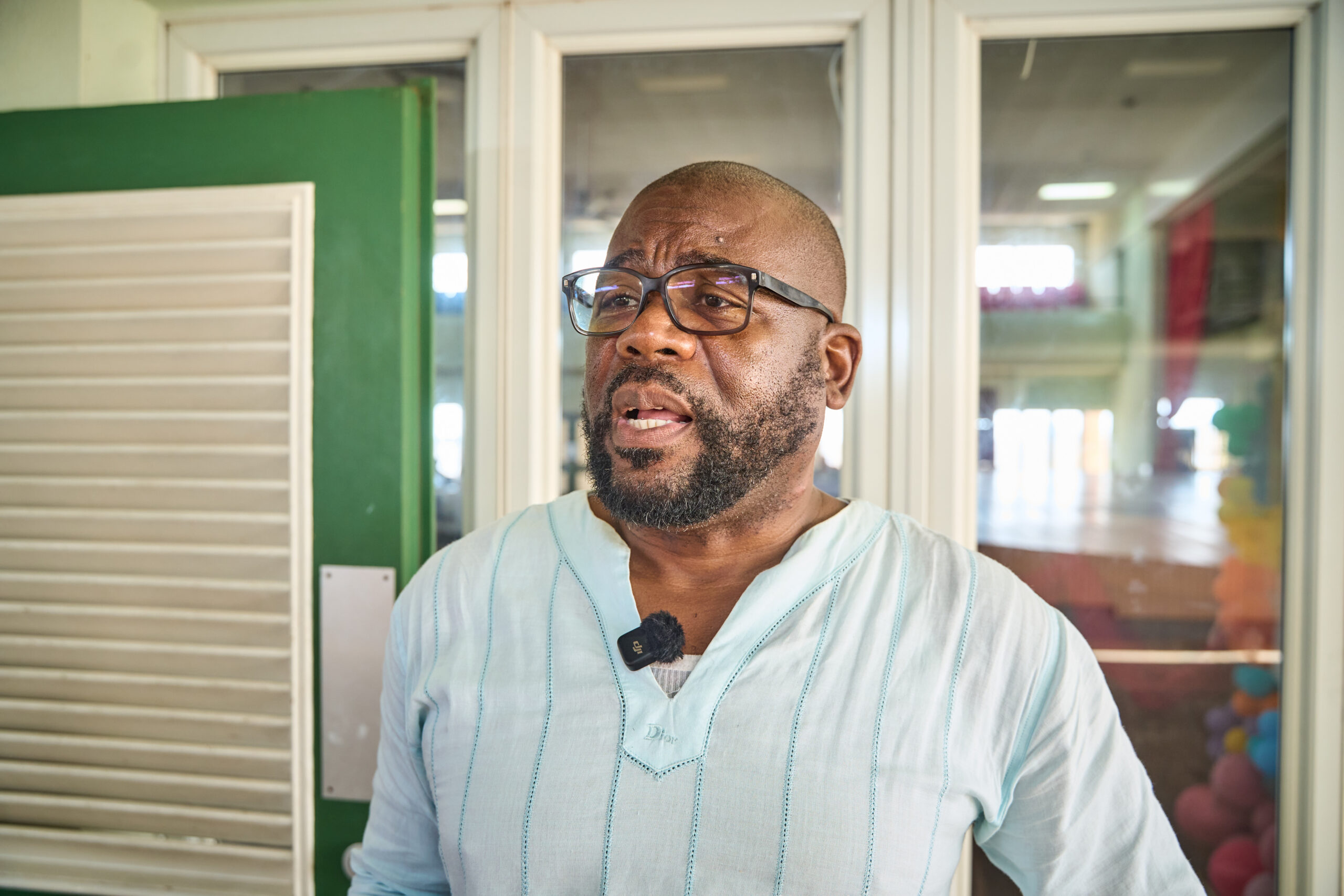
In an exclusive interview with local media outlet Barbados TODAY, CTUSAB President Ryan Phillips broke down the deeply worrying paradox that has come to define Barbados’ current labour landscape. On one hand, thousands of young, working-age Barbadians are actively searching for stable work and facing persistent barriers to employment. On the other, major sectors that drive the island nation’s economy—including hospitality and construction—are openly reporting crippling skill gaps and acute labour shortages that are holding back growth.
Phillips emphasized that this disconnect is not a new, isolated incident. “We flagged this growing trend at our press conference last week,” he explained. “We’ve heard repeatedly from young people that they can’t find work opportunities, while at the same time, dozens of employers across key industries say they can’t fill open roles.”
The planned layoffs at CO Williams, he argues, lay bare a fundamental structural mismatch that requires immediate coordinated action from government policymakers, organized labour groups, and private sector industry leaders. If left unaddressed, Phillips warns, the problem will escalate and put broader national economic stability at risk.
“What is most alarming about this development is that it makes the contradiction impossible to ignore,” Phillips said. “When a major established construction firm is laying off workers at the same time the industry as a whole says it can’t find enough labour, something is clearly out of alignment. We have to ask: are we failing to distribute available work equitably across the workforce? Are our training programs not aligned with the skills that growing sectors actually need right now?”
Against a backdrop of mounting global economic volatility, Phillips stressed that Barbados cannot afford to dismiss early warning signs of labour market instability or allow existing frictions to fester. International economic headwinds will inevitably impact the small island nation, he noted, making protecting existing employment and rolling out targeted workforce retraining initiatives two of the most critical priorities for safeguarding long-term national stability.
“This is exactly why we need an urgent national dialogue on this issue,” Phillips urged. “We’re already facing mounting pressures from the global economy, and those impacts will reach Barbados before long. Laying off workers at this moment only amplifies existing risks for working people and the wider economy, and that makes this issue too urgent to ignore.”