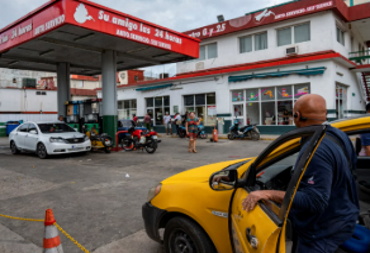
Amid a deepening economic and infrastructure crisis driven by tightened U.S. sanctions, the government of the Bahamas has issued an urgent advisory urging its citizens to cancel all non-essential travel to neighboring Cuba. The official statement from Nassau outlines ongoing systemic disruptions across Cuba that have upended daily life for residents and created major risks for foreign visitors. These disruptions include persistent, widespread power outages, acute fuel shortages, broken-down public and private transportation networks, and limited access to basic necessities including food, medicine and essential services.
The Bahamas Ministry of Foreign Affairs emphasized that conditions on the island can shift rapidly and without warning, advising Bahamian nationals already in Cuba or planning travel to maintain constant vigilance and stay updated on evolving local developments. Beyond safety warnings, the advisory also lays out strict entry requirements that all Bahamian travelers must follow to avoid immigration complications. All visitors must hold a valid passport with a minimum six-month validity remaining from their date of entry, at least one blank page for entry and exit stamps, pre-confirmed proof of accommodation, and a confirmed return or onward travel ticket. A Cuban entry visa, valid for stays of up to 90 days, is mandatory for all Bahamian citizens, and the government stressed that all visitors must adhere fully to Cuban immigration laws and regulations.
A key part of the advisory focuses on Cuba’s unique financial landscape, which has been drastically altered by decades of U.S. trade embargo and recent sanctions expansions. Cuba operates almost entirely on a cash economy, with extremely limited access to international banking services. As of June 6, all international Visa and Mastercard transactions have been suspended across the country, meaning travelers cannot rely on foreign-issued credit or debit cards for in-person purchases or cash withdrawals at ATMs. The Bahamian government urges all visitors to bring enough cash, in either U.S. dollars or euros, to cover every expected expense for the full length of their stay. It also reminds travelers of strict currency declaration rules: any amount of cash exceeding 5,000 U.S. dollars must be declared to Cuban customs officials upon entry, and any amount above this threshold carried during departure must also be reported to local authorities. Failure to disclose excess cash can lead to an immediate seizure of all undeclared funds by authorities, the advisory warns.
The advisory also urges Bahamian travelers to avoid all public demonstrations, protests and large public gatherings, and to comply with any instructions issued by local Cuban security and government officials at all times.
The current crisis gripping Cuba stems directly from recent shifts in U.S. foreign policy toward the island and its long-time ally Venezuela. After the U.S. moved to oust Venezuelan President Nicolas Maduro from office in January, it imposed a new, stricter oil embargo on Cuba. For years, Venezuela had been Cuba’s primary, discounted supplier of crude oil, and the cutoff of this critical supply has created a crippling, nationwide crisis that has exacerbated all of the current infrastructure and supply chain problems.
Cuba’s ambassador to the Bahamas, Marcof Sanchez, recently described the situation in his country as extremely severe during an appearance on a local Bahamian radio program. He called on Caribbean and regional nations to show solidarity with Havana in opposing what he framed as U.S.-led military and economic aggression against the island. Sanchez warned that any escalation of U.S. military aggression toward Cuba would have immediate, far-reaching negative consequences for the entire Caribbean region. He also reaffirmed the Cuban government’s long-standing position that it is open to holding respectful, constructive dialogue with the United States, which has maintained a sweeping trade and economic embargo against Cuba for more than six decades.