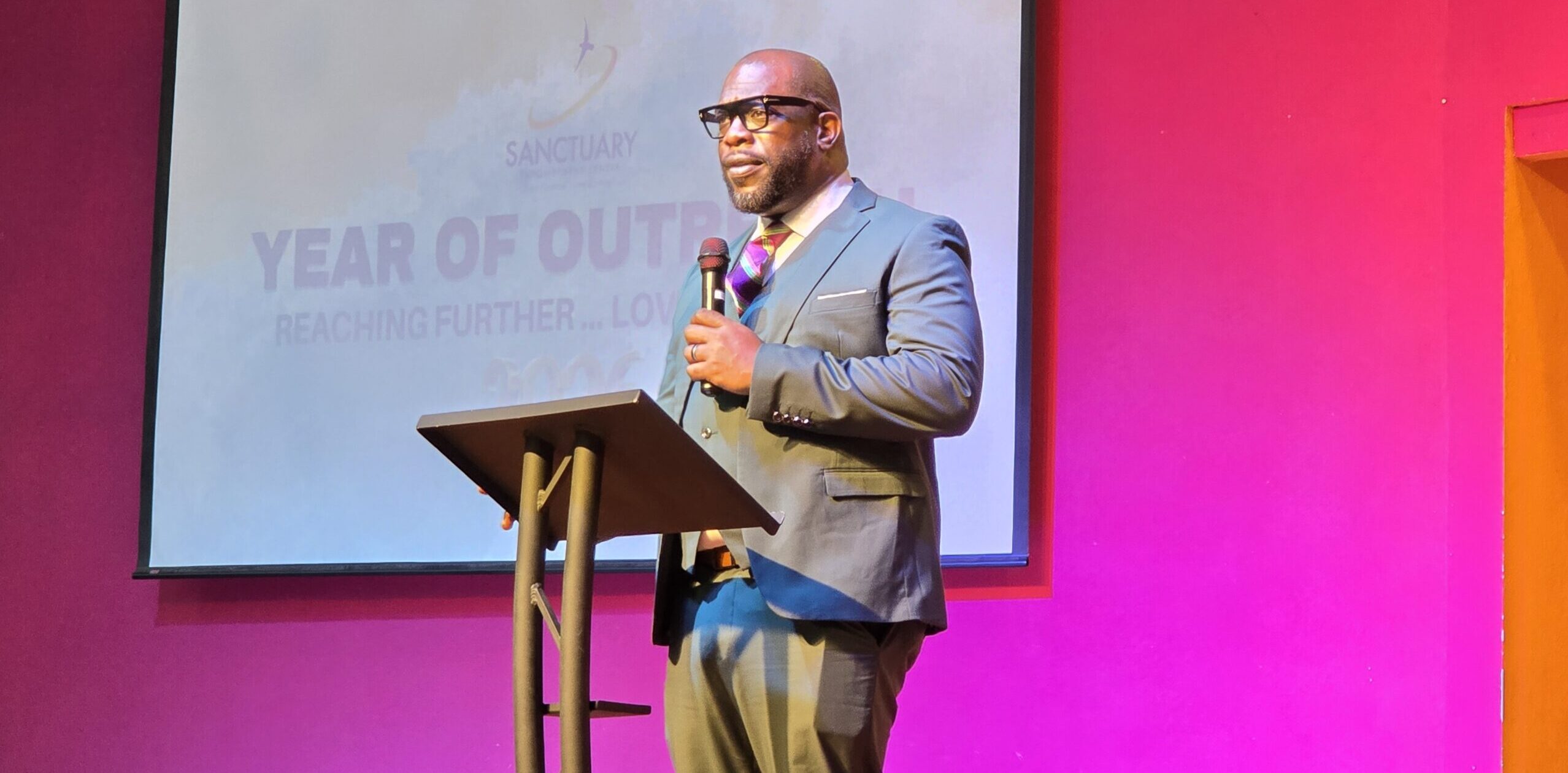
During a milestone celebration marking eight decades of operation, senior Barbadian officials have laid bare the pressing challenges and critical impact of the island nation’s Probation Service, revealing new 2025 statistics that show nearly half of all current probation cases are tied to violent or threatening offenses.
The anniversary event, held Sunday at the Sanctuary Empowerment Centre in Country Road, St. Michael, featured opening remarks from Minister of Home Affairs and Information Gregory Nicholls, who framed the celebration against a backdrop of growing public safety strain. Nicholls noted the service is operating at a uniquely difficult moment for Barbados, as courts see a steady influx of young male defendants, including teenagers who have not yet reached legal adulthood.
Citing official 2025 departmental data, Nicholls disclosed that a total of 295 people are currently under active probation supervision across the country. Of that group, 138 – or nearly 47% – were placed on probation for offenses ranging from bodily harm and sexual violence to property crimes committed with threats or intimidation. The minister emphasized that these statistics represent more than just numbers on a spreadsheet; they stand for young Barbadians whose long-term life trajectories remain uncertain.
“These are not people already handed final conviction sentences – these are individuals diverted to probation supervision. These are our children, Barbadian children, and our collective question is not just how to punish offending behavior, but how we support them to build better futures after their mistakes,” Nicholls explained.
He went on to outline that the Probation Service fills an irreplaceable role in the national justice system, acting as a final, evidence-based intervention point before offenders face escalating criminal involvement and harsher penalties. “This is not the end of the road for the people who come through our doors. For many, it is the last viable off-ramp to stop their lives from unraveling completely,” the minister said.
The service delivers a range of structured interventions, including pretrial diversion programs, mandatory pre-sentence reports for courts, ongoing community supervision, targeted counseling, life skills training, and one-on-one mentorship. Nicholls pushed back against common misperceptions that probation is a lenient “soft option” for offenders, noting that properly resourced probation programs have been proven to cut rates of repeat offending.
That impact is already visible in national data, he added: Barbados has recorded measurable progress in lowering its overall recidivism rate in recent years, a gain that did not occur by chance. It is the product of unglamorous, daily work by probation staff who walk alongside people working to rebuild their lives after conviction, Nicholls said.
Despite these gains, the service is facing growing operational pressure, most notably a crippling understaffing crisis that has been flagged in recent national conversations about the country’s justice institutions. The Probation Service is not immune to this widespread challenge, Nicholls confirmed, even as officers continue to deliver core services against all odds.
The 2025 annual output reflects the extreme workload staff are managing: the department completed 492 pre-sentence reports, 519 progress updates for courts, 203 community service assessments, and 117 domestic relation case reports. While these numbers prove the service is still meeting core demands, Nicholls warned that this current level of output is not sustainable long-term – even as it demonstrates the extraordinary commitment of the service’s workforce.
Nicholls paid tribute to probation officers across the department, noting their critical contributions to public safety often go unrecognized by the general public. Unlike police officers or judges, who regularly receive public acknowledgment for their work, probation staff operate largely behind the scenes, working in courtrooms, office cubicles, family homes and community centers across the island. They manage heavy, complex caseloads and carry the emotional weight of supporting people in crisis, work that rarely draws public attention, he said.
The minister also highlighted the steady evolution of the service over its 80 years of operation. Today, the department uses a modern digital case management system, offers specialized training in alternative dispute resolution, and runs targeted initiatives including the Community Pillars Mentorship Programme and aftercare services for people released from prison.
To continue delivering impactful rehabilitation, Nicholls argued, the service needs sustained new national investment. “If we are serious about making rehabilitation a core national justice strategy – and we must be – we have to be equally serious about properly resourcing the institution that delivers that work. That means more frontline staffing, ongoing specialized training, and prioritizing the well-being of our officers just as much as we prioritize outcomes for the clients they support,” he said.
Chief Probation Officer Dr. Angela Dixon echoed Nicholls’ remarks, celebrating the dedication of every generation of past and current staff that has allowed the service to reach its 80-year milestone. “This 80-year mark did not happen by accident. It was built through God’s grace, the relentless dedication of countless staff across every era, and the unwavering support of community partners and citizens across Barbados,” Dixon said.
She acknowledged the daily struggles that come with the role, noting that the work extends far beyond what can be summarized in a standard job description. “We all know what it feels like to walk in on a Monday morning to a full caseload and a phone already ringing off the hook. We know what it means to sit across from someone in the middle of a personal crisis and find the right response when there is no official script to follow,” Dixon explained.
“What this work demands cannot be contained in a job description. It requires us to hold onto hope for people who have already lost hope in themselves, to see the person standing in front of us not for the mistake they made, but for everything they can still become,” she added.
As the service enters its ninth decade of operation, Dixon encouraged all current staff to carry forward the mission and commitment that has sustained the organization through 80 years of service to the people of Barbados.