As the Caribbean island nation of Barbados accelerates its preparations for the annual Atlantic hurricane season, the country’s main power provider Barbados Light & Power (BL&P) has issued a critical public safety alert, highlighting the life-threatening risks that improperly installed or unregulated solar energy systems and backup generators pose to line crews working to restore power after storm-related outages.
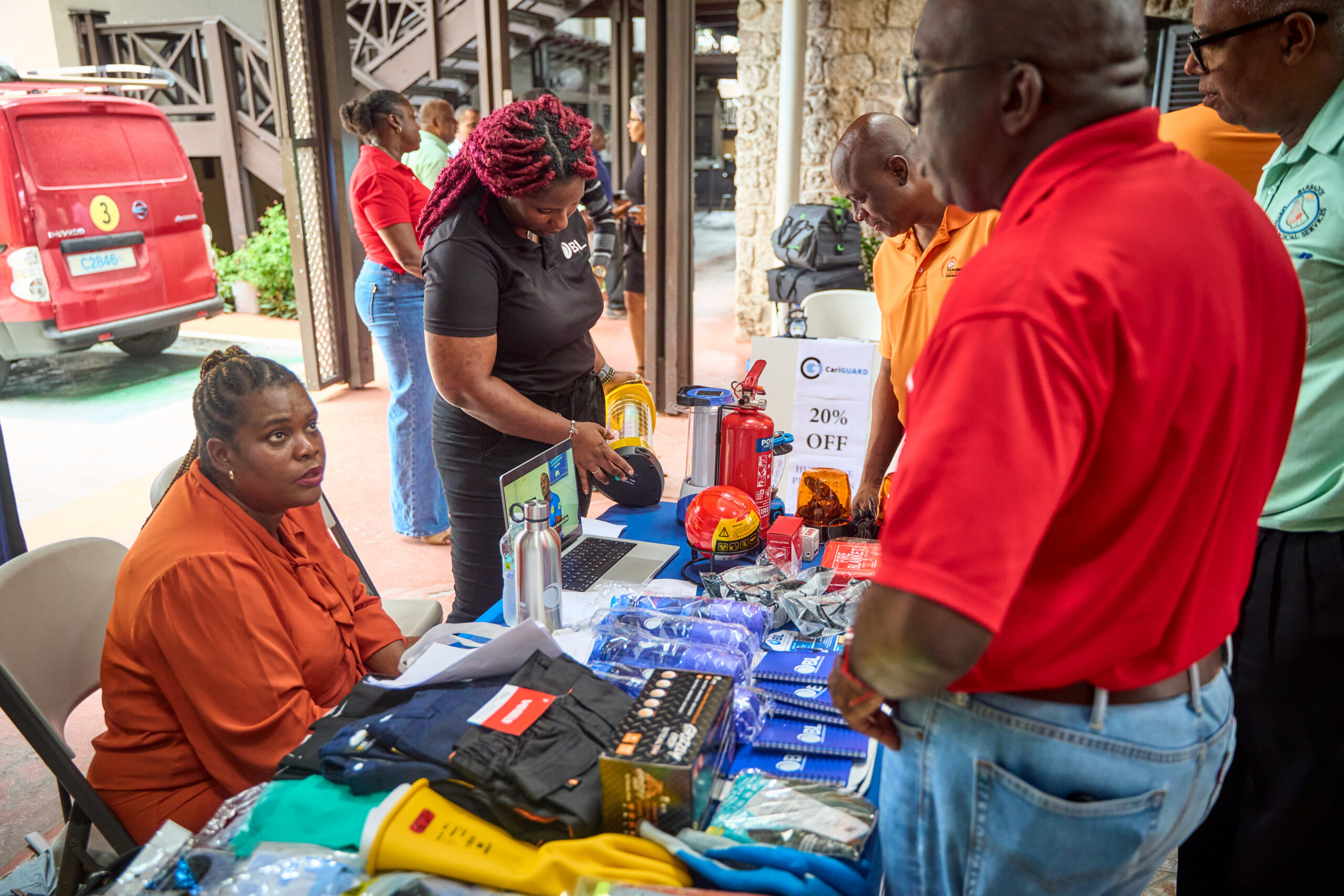
The warning was delivered by BL&P’s Renewable Energy Business Unit Manager Robert Harewood during a hurricane preparedness exposition and press briefing held Friday at the utility’s Garrison Hill headquarters in St. Michael. The event brought together representatives from the Barbados Meteorological Service and multiple relevant stakeholders to educate utility workers and the public on proactive risk mitigation for the coming storm cycle.
Currently, around 3,500 BL&P customers have grid-tied private renewable energy systems installed at their properties, a number that reflects the island’s growing transition to clean energy – but also makes this safety reminder all the more urgent, Harewood emphasized. He explained that post-hurricane power restoration efforts are already notoriously dangerous work, as crews navigate chaotic landscapes filled with downed poles, tangled fallen wires, and damaged infrastructure that can obscure system connections. When private renewable energy sources remain connected to the grid, they can keep power flowing through lines that crews assume are fully de-energized, creating unseen shock hazards that put first responders’ lives at severe risk.
“In the past, especially during restoration, it’s a difficult time because you have poles down, you have wires on the ground as well,” Harewood said. “Sometimes when the guys go to restore, it’s not always easy to understand what is connected where because of the chaos out in the field.” He added that even with careful pre-work checks, unmarked private systems can lead to unexpected danger: “In the effort to get customers back on, sometimes it’s possible that our crew could go and work on a line and be impacted by power from a renewable system that they may not have realised was there.”
Harewood noted that properly permitted, BL&P-approved renewable energy installations are required to include a dedicated manual isolation switch that allows homeowners to disconnect their private system from the public grid before a storm makes landfall. He urged all customers with grid-tied solar systems to activate this safety switch whenever a severe weather event is forecast, as a straightforward precaution to protect responding crews.
However, the manager voiced growing concern over unregistered renewable energy systems that have been connected to the grid without BL&P’s knowledge or oversight, many of which lack the mandatory isolation switches and other required safety features. “We’ve realised in recent times there’s some customers that have renewable systems without our knowledge, and they may not have that isolation switch,” he said.
While most grid-tied solar systems are engineered with an automatic shutdown feature that disconnects them from the grid when public power goes out, Harewood stressed that this automatic safeguard is not infallible. Equipment damage from storm surge, wind, or debris can cause the mechanism to fail, leaving dangerous live power flowing through public lines.
The safety warning also extends to improperly connected backup generators, which carry many of the same risks for utility crews. Harewood advised homeowners to always verify that all private power equipment is safely disconnected before a storm, and to consult a certified professional to inspect installations after a storm passes if there is any uncertainty about their safety and connection status. “Otherwise, you really should contact your installer, whoever installed the renewable system, to have it checked and make sure that everything is okay,” he added.