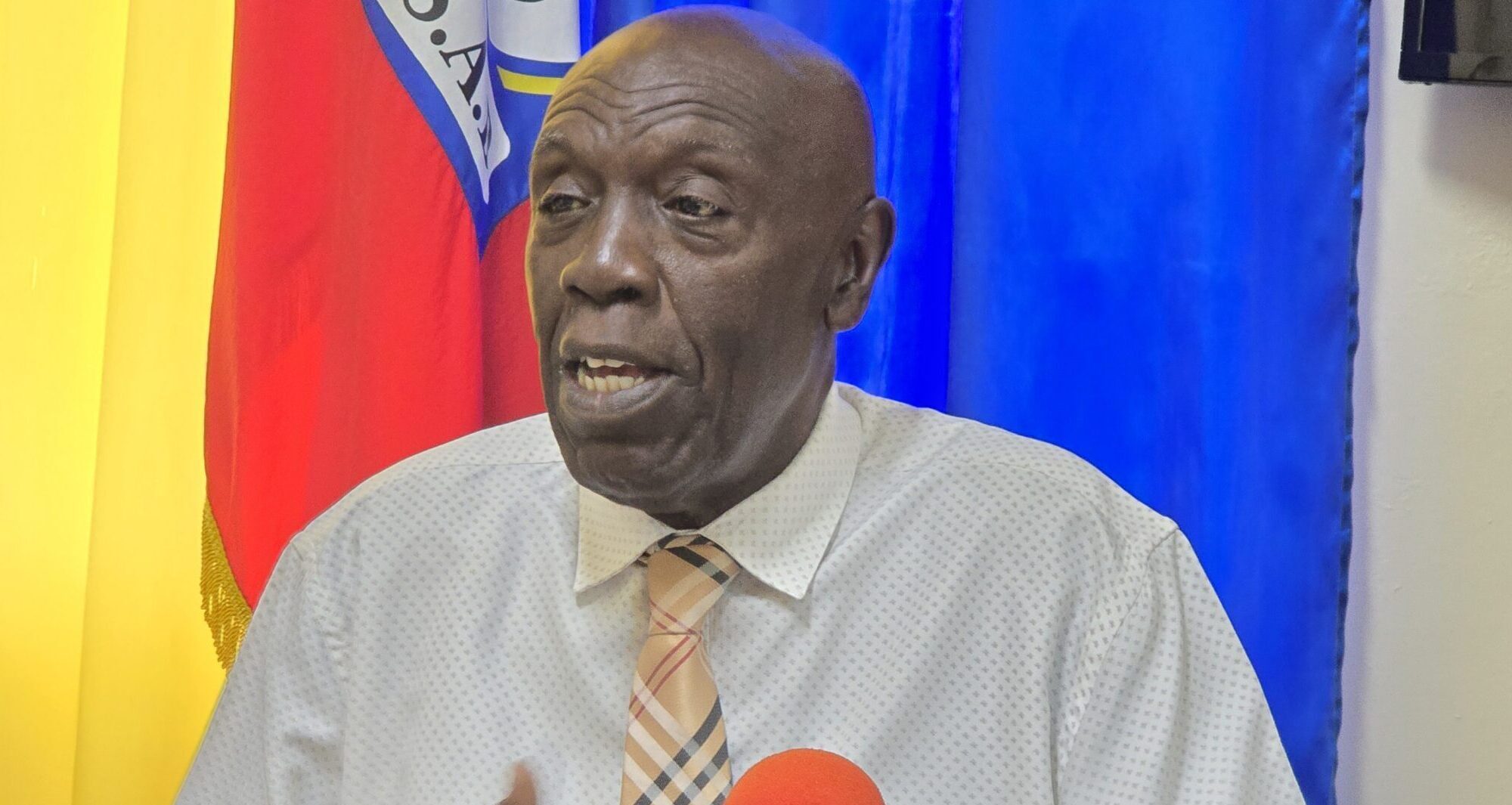
Barbados’ largest labor umbrella organization, the Congress of Trade Unions and Staff Associations of Barbados (CTUSAB), is amplifying longstanding calls for a full systemic overhaul of the Caribbean island’s broken public transportation network, arguing that decades of unresolved deficiencies have dragged down national productivity, eroded quality of life for daily commuters, and slowed overall national development.
Speaking at the union’s regular monthly press briefing held at its Garrison headquarters this week, CTUSAB General Secretary Dennis DePeiza laid out the scope of the crisis, emphasizing that unreliable and inconsistent service has become a persistent, disruptive force in the daily lives of working Barbadians and members of the general public alike. DePeiza pushed back firmly against ongoing speculation that full privatization of the state-owned Transport Board would resolve the sector’s deep-seated issues, calling the idea a mistaken solution that would not address the core of the problem.
“Privatizing the Transport Board is not the fix for the inefficiencies plaguing the public transportation sector,” DePeiza stated. “As an initial step toward building a more reliable, efficient system, we must first confront long-neglected failures in both management and regulation. CTUSAB holds that the government must recognize public transportation as a critical national public good, not a disposable service.”
DePeiza pointed to the 2019 Transport Augmentation Programme (TAP), a government initiative launched to fill service gaps across the island, noting that the patchwork measure has failed to fully resolve the challenges that commuters face daily. Without a consistent, functional public transit network, he argued, Barbados is seeing measurable declines in national output, largely driven by massive unproductive time lost as workers wait hours for unreliable connections to and from their workplaces.
He stressed that the Caribbean government must prioritize transit reform as an urgent national priority and take decisive action to resolve problems that have gone unaddressed for generations. “It is fundamentally unfair that Barbadians living outside major urban centers are forced to continually endure the indignity of second-class access to public transportation,” DePeiza said. “It is completely unacceptable that commuters are forced to wait hours for a bus to any destination, or live with the constant uncertainty of not knowing when, or even if, a bus will arrive.”
DePeiza called for an end to the government’s decades-long piecemeal approach to reform, urging officials to adopt a cohesive, comprehensive national strategy. “Since public transportation is a core national priority, the government must redirect funding to acquire the full fleet of buses the country actually needs. While there is a legitimate role for private sector vehicles within the public transit ecosystem, it would be a fundamental failure if the government and its agencies refused to reassess how these private operators can be properly integrated into a fully reformed system,” he added.
The union leader also called out widespread unsafe and unprofessional conduct among some public service vehicle (PSV) operators, demanding a strict zero-tolerance policy for dangerous driving practices that put commuters and other road users at risk. He questioned why compliance failures have persisted for decades, noting that Barbados could learn valuable lessons from proven transit management models already in place across the Caribbean Community (CARICOM).
“These unregulated practices put the lives of commuters and other road users in direct danger. Many operators refuse to complete their permitted routes, consistently violate road traffic rules, and engage in reckless habits like overloading, speeding, and route hogging — none of these can be ignored or tolerated any longer,” DePeiza said. “Barbados stands to gain a great deal from adopting the successful management systems and practices already used by CARICOM member states like Trinidad and Tobago and Saint Lucia.”
DePeiza also addressed the persistent problem of unlicensed illegal PSV operations, widely known locally as “pirate” taxis and buses, arguing that the growth of this black market is directly fueled by licensed operators’ consistent failure to service their approved routes. “Licensed operators complain about pirate competition, but that competition only exists because they refuse to run the routes they are legally required to serve. When registered operators don’t go where they’re supposed to, unlicensed operators step in to fill the gap. If they want the competition gone, they need to fix their own conduct first,” DePeiza insisted.
He also criticized the glaring lack of transit service during evenings, weekends, and public holidays, questioning how this gap can persist in an island that promotes itself as a 24-hour international business hub and a top-tier global tourism destination. “It is long past time we built an island-wide reliable transit system that does not only serve the tourist-heavy corridors of Highway 1 and Highway 7, or cater exclusively to the west and south coasts,” DePeiza noted.
Alongside his criticisms, DePeiza offered praise for one recent government proposal: the planned introduction of a dedicated school bus service. He said the initiative would ease overcrowding and competition for space on the existing public transit network for working commuters, while also reducing schoolchildren’s exposure to the negative social influences commonly reported on private minibuses and ZR vans. “This is a genuinely positive step that reduces pressure on regular commuters. More importantly, it moves children away from the antisocial behavior that has become linked to ZR and minibus culture, so it is a step in exactly the right direction,” he said.