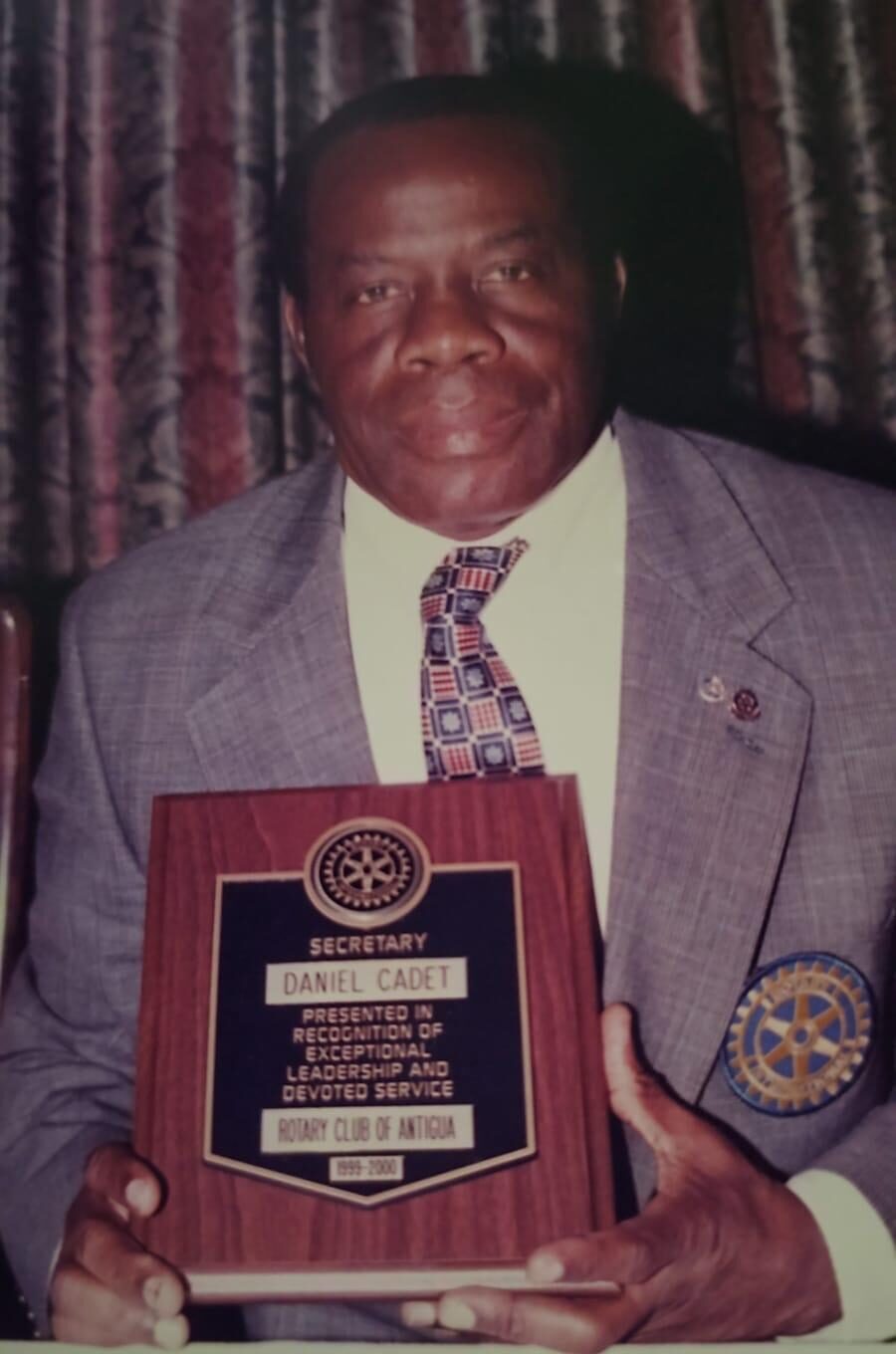
Daniel Cadet, a beloved Caribbean tourism leader and family man, grew up rooted in the quiet, grounding rhythms of rural St. Lucia long before he became a well-recognized name in regional hospitality. His childhood home, tucked between rolling, rugged hills and the island’s windswept, stunning coast, taught him foundational lessons that would shape every part of his life: that the land rewards only consistent, patient care, that life is a gift to be cherished rather than a possession to hoard, and that character is forged when no one is watching. From these early origins, three core commitments took root in him: work would always be done with intentional care, every person would be treated with inherent dignity, and integrity would guide his choices even in unobserved moments.
Long before he stepped into leadership roles, Cadet mastered the art of listening before speaking, extending empathy before correcting others, and embodying excellence before demanding it from anyone else. He never leaned on grand slogans or self-promotion to assert influence; every aspect of his quiet, deliberate life served as a lesson for those around him. He lived by unwavering personal standards, and that consistency spoke far louder than any flashy rhetoric could.
Over his decades-long career, Cadet served across the Caribbean tourism sector, holding roles in hotel operations, professional training institutions, and industry leadership. In an industry defined by constant change, high turnover, and rapid movement, he emerged as a steady benchmark for reliability and ethical practice. The Antigua and Barbuda Hotel and Tourism Association honored him as a distinguished professional whose work lifted up both individual team members and entire organizational systems. Even that formal recognition, however, fails to capture the full scope of his impact: he did not merely manage hospitality operations; he reshaped how people showed up for their work, their colleagues, and themselves.
Dr. Isaac Newton, the author of this tribute, first knew Cadet as family, then later worked under him as a young intern at Antigua’s Heritage Hotel as he learned to navigate professional responsibility. Cadet never leaned into heavy-handed authority to assert control; instead, he brought quiet clarity to every situation. When Newton arrived late to a shift one day, there was no public shaming or angry outburst, only a polite but firm correction that reframed timeliness not as a arbitrary rule on a schedule, but as a basic act of respect for teammates and guests. In that moment, Newton learned that lateness is never just about minutes lost—it is a measure of how much we value other people’s time.
On another occasion, Newton made a critical error during a guest checkout that required an urgent rush to the airport to fix, leaving him bracing for harsh punishment when he returned. Instead of demanding an explanation or doling out criticism, Cadet asked one simple question: What has this taught you about who you want to be? He did not care about rehashing the details of the mistake; he cared about pushing Newton to grow from the experience. In that exchange, Newton grasped a lesson he has carried ever since: Cadet did not judge people by their missteps—he cared more about who they were becoming.
That same steady, intentional character defined Cadet’s family life just as much as his professional work. He would show up early to help family prepare for incoming storms, not for recognition, but to make sure his loved ones were safe. He stepped into tense family disagreements early, before stubborn pride could harden into permanent rifts. He laughed freely, spoke gently, and corrected mistakes without breaking the spirit of the person on the receiving end. Even when his life became more comfortable and abundant, he never forgot the discipline his upbringing had taught him, framing that discipline not as a restrictive burden, but as a grounding anchor that keeps families whole. He understood a truth that eludes many: strong families do not survive on shared memories alone—they stay strong through consistent, intentional investment in one another.
Even after Newton launched his own career as a leadership and governance expert, the two stayed in touch, with Cadet offering sharp, honest feedback on Newton’s writing. If a passage was unclear or an argument weak, he never sugarcoated his input—his criticism was always meant to refine, not diminish. During one memorable lunch at a local golf club, Cadet spoke at length about rhythm, patience, timing, and restraint. Newton never took up golf, but he left that conversation with a far more valuable lesson: some moments cannot be rushed, some outcomes will not bend to urgency, and frustration never improves your next step. Cadet was not teaching golf that day—he was teaching how to respond to life’s ups and downs with grace.
Today, Cadet is gone, but the foundation he built remains unshaken. His influence lives on in the coworkers who refuse cut corners on quality, in the leaders who correct mistakes without humiliating others, in the families who choose calm dialogue over angry reaction, and in every person who picks themselves up after failure without losing their dignity. These are not just static memories stored away in photo albums—they are living practices that continue to unfold in the lives of everyone he touched.
Many people leave behind famous stories or impressive achievements when they pass. Cousin Daniel Cadet left behind standards. And unlike achievements that fade from memory, standards do not stay in the past—they wait to be lived out again by every new generation that encounters his legacy.
*Editor’s Note: The author of this tribute, Dr. Isaac Newton, is a leadership strategist and governance expert with degrees from Harvard, Princeton, Columbia, and Oakwood University. He has published the books Face Life Squarely and Intimate Intimacy, co-authored the published Steps to Good Governance, and is working on a forthcoming book titled Daring to Hope. He advises leaders and institutions across the Caribbean on ethical leadership, organizational culture, and transformational change.*