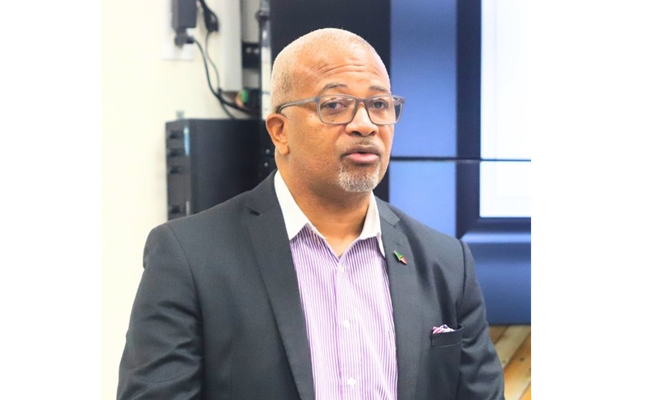
As the 2026 Atlantic Hurricane Season officially kicks off on June 1, the government of Nevis is reminding local residents that even a forecasted below-average season does not eliminate the threat of devastating storm damage. In an official address marking the start of the six-month season, which runs through November 30, Honourable Spencer Brand, Minister responsible for Disaster Management in the Nevis Island Administration (NIA), emphasized that just one major hurricane is enough to cause irreversible harm to the small Caribbean island, calling for continued vigilance across all sectors of society.
The U.S. National Oceanic and Atmospheric Administration (NOAA)’s 2026 outlook has painted a relatively mild picture for this year’s storm activity: forecasters estimate a 55% probability of a below-normal season, a 35% chance of a near-normal season, and only a 10% risk of an above-normal season. The projection calls for 8 to 14 total named storms (systems with sustained winds of 39 mph or higher). Of these, 3 to 6 are expected to strengthen into hurricanes with winds of at least 74 mph, and 1 to 3 are predicted to intensify into major Category 3, 4, or 5 hurricanes, which carry winds of 111 mph or higher.
Despite the favorable forecast, Brand stressed that complacency poses one of the greatest risks to Nevis communities. “Notwithstanding the 2026 prediction of a less active hurricane season, we must be prepared for the worst and hope for the best, as it only takes one storm to cause irreparable damage to our island home,” he said. The minister urged all residents to review evacuation routes, update their contact information with local emergency authorities, and treat the annual storm season with the seriousness it demands.
Brand emphasized that effective storm preparation and disaster response depend on a collective, whole-of-society effort to protect lives, secure private and public property, and preserve community stability. He outlined tailored guidance for different groups across the island: for business owners and small entrepreneurs, he advised diversifying supply chains, maintaining emergency stockpiles, and developing contingency plans for disrupted cash flow; for local farmers, he recommended securing irrigation infrastructure, making arrangements to protect livestock, and implementing measures to prevent soil erosion; for individual families, he encouraged crafting a household emergency plan, assembling a well-stocked go-bag, identifying a safe in-home space, and confirming the location of the nearest community emergency shelter.
A full list of officially designated emergency shelters across Nevis’s parishes has been released to the public. In St. Thomas’ Parish, shelters include the Jessup’s Community Centre, Cotton Ground Community Centre, and Barnes Ghaut Community Centre. St. James’ Parish is served by the Franklyn Browne Community Centre, while St. George’ Parish hosts shelters at the Ebenezer Church of God and Charles L. Walters Community Centre. The Pond Hill Community Centre acts as the shelter for St. John’s Parish, and the Girls Guides Headquarters serves St. Paul’s Parish.
Looking ahead to the 2026 season, Brand laid out two core commitments from the NIA’s disaster management team. First, the department will prioritize turning forecast data into actionable public information: it will leverage cutting-edge meteorological data to issue timely alerts, and translate formal warnings into clear, easy-to-follow steps for residents. Second, the administration will center a community-first response framework, which includes strengthening local disaster committees, expanding training for emergency volunteers, and streamlining emergency operations to reach vulnerable populations without delay when a storm threatens.
“Let us face this season with vigilance, compassion, and resolve. By working together, Nevis will emerge stronger, safer, and more resilient,” Brand said. He closed his address by extending formal gratitude to Brian Dyer, Director of the Nevis Disaster Management Department, alongside his full staff, volunteer responders, local and regional partners, and international organizations that have sustained ongoing commitments to keeping Nevis and its residents safe through storm season.