As the 2026 Atlantic Hurricane Season officially opens its six-month run from June 1 to November 30, regional disaster management authorities in the Caribbean are sounding the call for sustained vigilance and comprehensive readiness across local communities and national governments. The region already faces a multifaceted hazard landscape, including ongoing seismic activity, persistent drought, and record-breaking extreme heat, making all-hazard preparedness a critical priority this year.
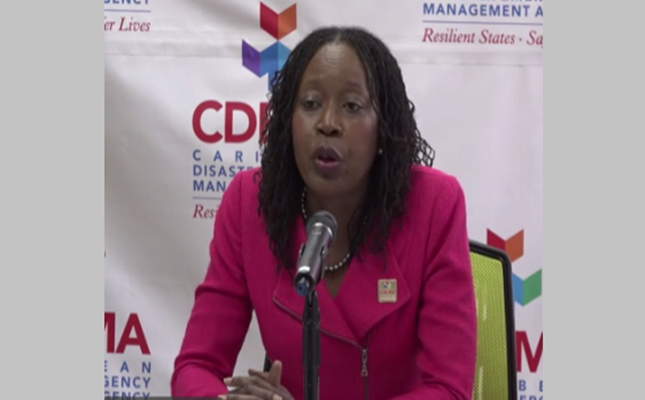
In a recent press briefing held in Basseterre, St. Kitts, Elizabeth Riley, Executive Director of the Caribbean Disaster Emergency Management Agency (CDEMA), emphasized that disaster preparedness cannot be limited to the official hurricane season window. It must remain a year-round commitment for all Caribbean territories, she stressed.
Riley noted that while the Caribbean enters this 2026 season facing a web of overlapping and complex climate risks, the region also brings decades of hard-won experience, actionable lessons from past disasters, robust cross-border partnerships, and a revitalized dedication to proactive readiness. She highlighted the Caribbean’s long-proven track record of resilience and collective solidarity when responding to hazard impacts, noting that this shared commitment to regional cooperation is more critical than ever amid ongoing global geopolitical shifts and their associated uncertainties.
“We have seen firsthand how preparedness, coordinated action, and rapid response save lives and reduce damage. These lessons have shaped our ongoing work to strengthen regional collaboration, build regional self-reliance, and support our member states in cutting disaster risk, boosting readiness, and upgrading response capacities,” Riley told reporters.
CDEMA maintains continuous monitoring of seasonal forecasts and technical guidance from leading regional and international climate and meteorological agencies. The Caribbean Institute for Meteorology and Hydrology (CIMH) released its official 2026 season outlook on May 27, predicting a less active hurricane season than the busy periods the region has seen in recent years. The current forecast calls for approximately 12 named storms, five of which will strengthen to hurricane strength, and two reaching major hurricane category of Category 3 or higher.
However, Riley issued a clear caution that a lower total number of storms does not translate to lower overall risk for the region. CIMH’s outlook notes that above-average water temperatures in waters surrounding the northern Caribbean could fuel heavier rainfall during any storm systems that develop, while the broader regional wet season is predicted to be delayed and drier than historical averages.
These combined conditions create a higher probability of intense, sudden rainfall events that will drive elevated risk of major flooding and flash floods across multiple parts of the Caribbean, Riley explained. “We also expect that this can result in intense rainfall events, which could create extremely high flood and flash flood risks across many areas in the Caribbean,” she said.
Beyond the risk of tropical cyclones, CDEMA is warning of persistent non-hurricane hazards that threaten the region this year. Drought conditions already impacting multiple CDEMA member states are expected to continue through 2026, and may even expand to new areas by the end of the year, even if seasonal rainfall brings temporary relief to some water-stressed communities. Right now, the Federation of St. Kitts and Nevis is already operating under a formal drought watch, as cumulative rainfall for the year to date remains well below expected levels.
The region also faces growing heat-related risks, with CIMH forecasting more intense heat conditions during the peak months of August and September. More frequent heatwaves, coupled with higher than average daytime and overnight temperatures, will drive increased heat stress for vulnerable populations across the Caribbean. Riley noted that excessive heat has emerged as an increasingly deadly and underrecognized hazard for Caribbean nations, and must be integrated into all national preparedness planning.
Caribbean territories cannot afford to only prepare for hurricane landfalls, Riley emphasized. This year, they must build plans and capacity to address the combined, overlapping impacts of hurricanes, persistent drought, widespread water stress, and extreme heat to protect communities across the region.