The United Nations has issued a urgent global alert, calling on all countries to step up preparations for a projected surge in extreme weather events driven by the developing El Niño climate phenomenon in the coming months. According to the UN’s World Meteorological Organization (WMO), there is an 80% probability that El Niño will develop between June and August 2025, with that probability rising to nearly 90% by the end of November this year.
El Niño is a naturally occurring climate pattern defined by abnormally elevated sea surface temperatures across the central and eastern equatorial Pacific Ocean. It typically emerges every two to seven years and persists for 9 to 12 months once formed, triggering large-scale shifts in global wind patterns, atmospheric pressure systems and rainfall distribution that reshape weather across every continent.
The impacts of El Niño vary dramatically by region: it brings above-average rainfall to parts of South America, the southern United States, sections of the Horn of Africa and Central Asia, while driving severe prolonged drought in Australia, Central America, Indonesia, and parts of South Asia. It also fuels more frequent and intense hurricanes across the central and eastern Pacific basin.
For the Caribbean and Latin America specifically, El Niño brings a complex mix of overlapping climate hazards. Northern and western parts of South America, including the coastal regions of Peru and Ecuador, face a high risk of extreme heavy rainfall that can trigger catastrophic flash floods, destructive mudslides, and widespread damage to public infrastructure and agricultural lands. At the same time, other areas including northern Brazil and large swathes of the Caribbean are projected to face severe drought, leading to acute water scarcity and widespread crop failure. Shifts in ocean and atmospheric currents also disrupt regional fisheries and increase overall vulnerability to natural disasters. While El Niño often suppresses Atlantic hurricane activity, it can still amplify the intensity of storms and hurricanes that do form in the Caribbean. These erratic weather shifts carry severe social and economic consequences, particularly for low-income and vulnerable communities that depend heavily on climate-sensitive sectors like small-scale agriculture and fishing.
UN Secretary-General António Guterres stressed that the 2025 El Niño event is expected to deliver at least moderate, and potentially severe, global impacts, framing the phenomenon as an urgent wake-up call for global climate action. “The impacts will strike harder, spread faster, and cross borders with devastating speed,” Guterres stated in a video address.
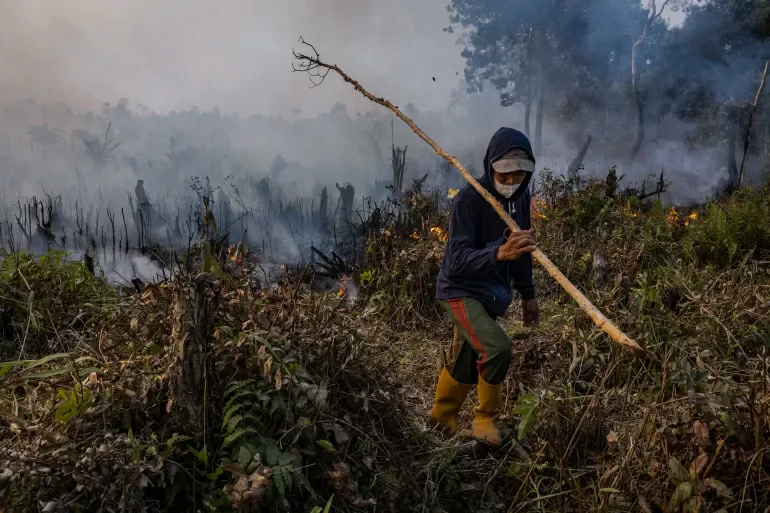
Researchers from Imperial College London and the World Weather Attribution network have also warned that this year’s El Niño could amplify the risk of extreme, uncontrollable wildfires across vulnerable regions. In response, the European Union has pre-positioned a record number of firefighters and firefighting aircraft across high-risk Mediterranean nations including Cyprus, Greece, Italy, France, Spain and Portugal to prepare for the upcoming wildfire season.
The previous strong El Niño event, which ran from 2023 to 2024, was a key contributor to 2024 being confirmed as the warmest year ever recorded globally. WMO Secretary-General Celeste Saulo added that the extreme heat tied to El Niño also increases the risk of vector-borne diseases spread by insects, while further straining global food and water supplies. “Already vulnerable communities are being pushed even further to the brink by these impacts,” Saulo noted.
Global consumers also face the prospect of additional food price increases, with costs already pressured by inflation driven by geopolitical conflict in the Middle East. Hein Schumacher, CEO of Barry Callebaut, one of the world’s largest cocoa processors, warned that cocoa yields in major producing regions including Ecuador and West Africa – which together account for 60% of global cocoa output – are likely to decline this year due to El Niño’s impacts. “We are monitoring the developing situation with extreme caution,” Schumacher said.