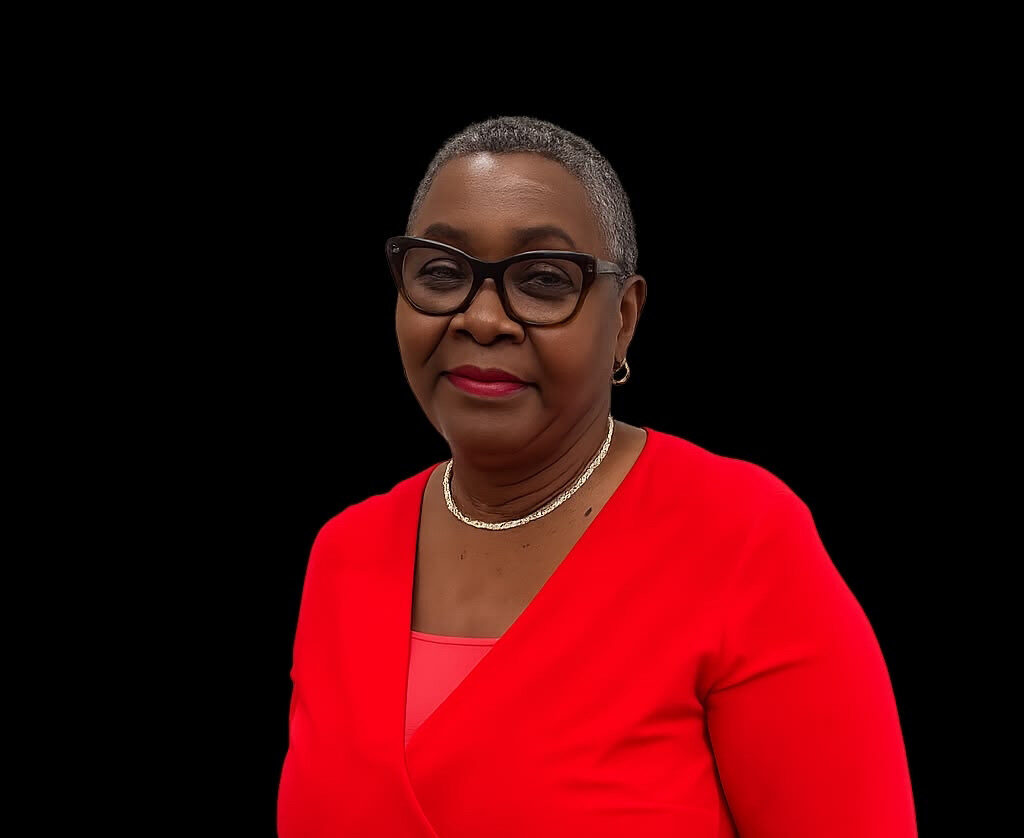
On World Parents’ Day, the leader of one of Barbados’ longest-standing family support organizations has publicly thrown its full weight behind Prime Minister Mia Mottley’s push to expand on-the-ground community parenting groups, framing the initiative as a critical step to expanding access to support for vulnerable families and tackling rising youth gang involvement.
Cecily Clarke-Richmond, director of Parent Education for Development in Barbados (PAREDOS), told local outlet Barbados TODAY Monday that the organization fully aligns with Mottley’s recent parliamentary address, which called for localized parenting support networks as a core part of national efforts to strengthen family structures and curb the spread of gang culture among young people.
“There is no question that the prime minister’s call for expanded community-focused parenting programs has my full, unwavering support,” Clarke-Richmond stated. She emphasized that the long-term success of any such initiative hinges on meeting parents where they already are, rather than requiring them to travel to centralized facilities to access help.
Many caregivers across Barbados face packed schedules and multiple work or family commitments that make it difficult to carve out time for off-site parenting education, Clarke-Richmond explained. By bringing support directly into neighborhoods, organizations remove one of the biggest barriers to access. “Getting to the parents where they are is already half the battle won,” she said. “Parents are hungry for support, but we have to meet them halfway. This approach is undeniably the right step forward.”
During her address to the House of Assembly, Mottley argued that the country can no longer operate under the assumption that all caregivers naturally have the skills to navigate modern parenting challenges. Shifting social structures have weakened traditional intergenerational support systems, she noted, while public anxiety over youth recruitment into gangs continues to climb.
Founded in 1965, PAREDOS has nearly six decades of experience supporting Barbadian families, starting with small in-person parenting classes before expanding to add professional counseling and community outreach services. Today, the organization runs parenting sessions both at its central headquarters and in neighborhoods across the island, covering 11 core topics that directly address the most pressing concerns modern caregivers face. These include building children’s emotional intelligence, addressing bullying, navigating childhood nutrition, and supporting young people’s sexual and reproductive health.
When asked about the most common challenges that drive parents to seek PAREDOS’ support, Clarke-Richmond identified conflict in co-parenting arrangements as the top issue. “Co-parenting tensions are the number one reason parents reach out to us for help,” she said. Following closely behind, she added, is confusion over parental roles and responsibilities, alongside the hesitation many caregivers feel when it comes to admitting they need outside support.
“Many caregivers struggle to find the courage to say, ‘I’m losing control with my child, no matter their age, and I need help,’” she explained. Clarke-Richmond noted that the biggest roadblock to healthy co-parenting is when separated or divorced caregivers let their own personal resentments overshadow their child’s best interests.
“The core of co-parenting has to shift from ‘this is about my feelings’ to ‘this is about the child who never asked to be in this situation,’” she said. “We have to ask: how do we set our differences aside to prioritize what this young person needs?” She stressed that both biological parents play an irreplaceable role in healthy child development, and urged separated caregivers to prioritize cooperation over ongoing conflict.
Beyond resolving co-parenting tensions, Clarke-Richmond encouraged any caregiver struggling with the demands of raising children to reach out for support early, before small challenges escalate into larger crises. “The first thing to remember is that help is available, and no one is a perfect parent,” she said. “If you need support, ask for it. Children will test boundaries, but if we don’t set clear, consistent guidelines for them to follow, they cannot be expected to thrive.”
Clarke-Richmond also emphasized that cross-organization collaboration is key to meeting Barbados’ growing need for parenting support, noting that PAREDOS is happy to partner with other government and non-profit agencies rather than compete for resources. “We are well past the point of competing for clients. We all have to work together to support the parents of this country,” she said.
Continuing its decades-long mission, PAREDOS is set to launch a new round of parenting classes this Thursday, focused on equipping caregivers with practical, actionable tools to navigate the increasingly complex landscape of raising children in 21st century Barbados.