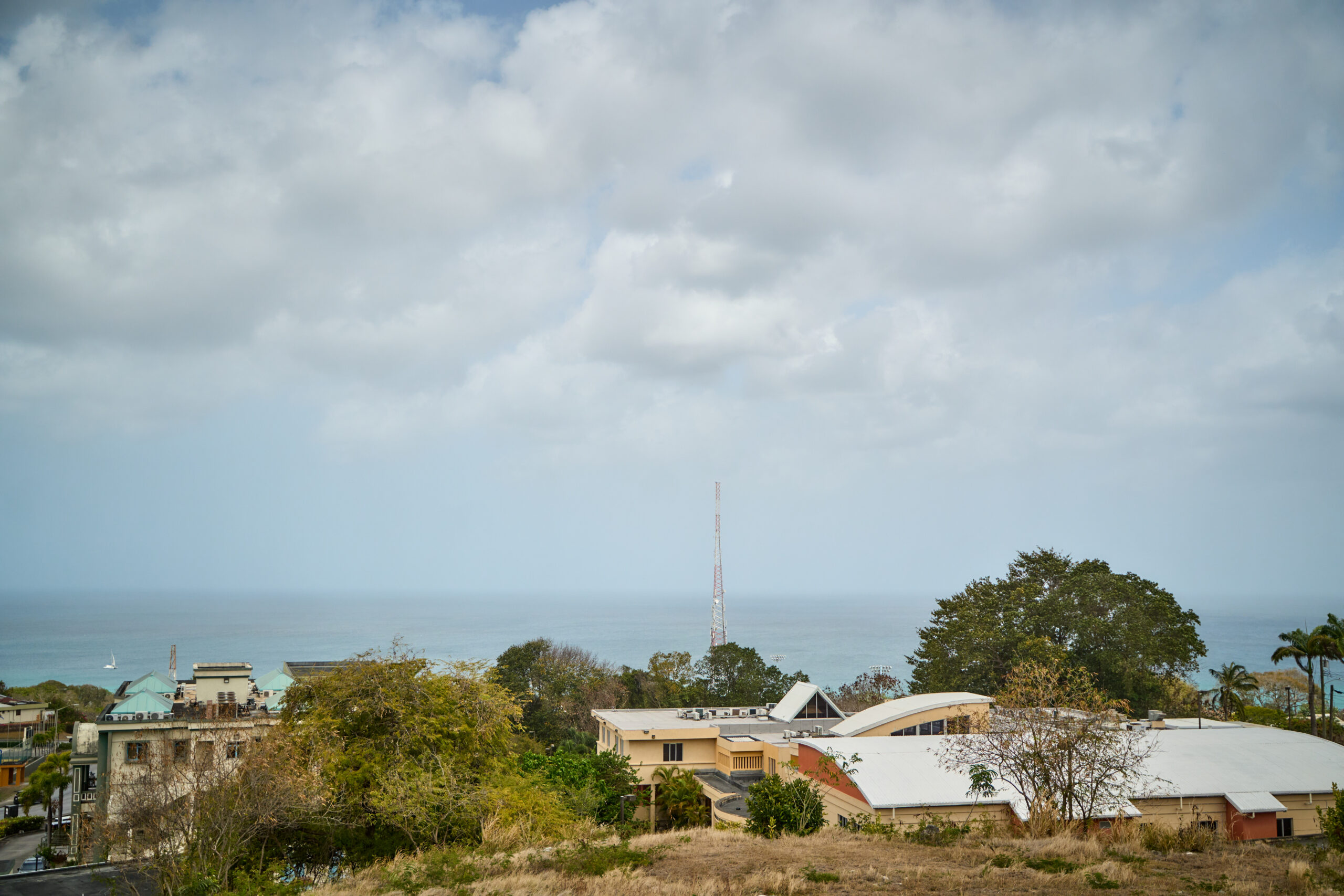
After days of widespread Saharan dust plumes shrouding much of the Eastern Caribbean, concentrations of the mineral-heavy air pollution have finally begun to drop across Barbados, but public health leaders are issuing urgent reminders that lingering hazards paired with soaring summer temperatures continue to threaten at-risk populations.
For more than a week, a thick, hazy layer of dust carried thousands of miles from the Sahara Desert covered Barbados and neighboring island nations across the Eastern Caribbean. The unusual weather event cut visibility to low levels across the region and sparked immediate public concern over rising reports of respiratory distress. On Monday, meteorologist David Harding confirmed that dust levels across Barbados and its surrounding territorial waters had fallen far enough that official air quality advisories could be lifted.
However, Dr. Lynda Williams, president of the Barbados Association of Medical Practitioners (BAMP), has pushed back against any assumption that the public health threat has passed. In a detailed warning issued this week, Williams explained that trace amounts of dust remaining in the atmosphere, combined with the early onset of intense summer heat linked to climate change, will continue to strain vulnerable populations for the coming days.
Williams specifically targeted guidance to people living with chronic respiratory conditions, including asthma, allergic rhinitis and chronic sinusitis. She urged these individuals to stay consistent with their doctor-prescribed treatment plans, emphasizing that ongoing maintenance medications — particularly steroid inhalers and nasal sprays — are critical to preventing severe, potentially life-threatening respiratory flare-ups triggered by residual dust.
“When conditions are poor like they were last week, even small amounts of dust can set off intense symptoms,” Williams noted. “For anyone who must go outside during periods of poor air quality, wearing a properly fitted mask and limiting time outdoors remain key protective measures.”
Beyond respiratory issues, Williams also highlighted a sharp uptick in other environment-linked health complaints across local medical facilities. She reported a surge in patients seeking care for dry eye, advising anyone prescribed lubricating eye drops to use them as directed to manage irritation. She also warned of an increase in skin problems, including general irritation, worsened eczema flare-ups, and unexpected severe sunburn. The hazy cloud cover created by lingering dust often creates a false sense of protection, she explained, allowing high levels of harmful ultraviolet radiation to still reach the skin despite the overcast appearance of the sky.
Turning to the growing threat of extreme summer heat, Williams tied the more intense and frequent heat events the Caribbean is now experiencing directly to human-caused climate change. “This isn’t just a one-time issue,” she said. “Rising heat will be an ongoing, annual public health challenge for our region, and the unusual Saharan dust outbreaks we’re seeing more often are just one more symptom of a changing climate.”
To combat heat-related illness, Williams stressed that consistent proper hydration remains the single most effective preventive measure. “The best defense against heat sickness is staying hydrated,” she explained. “Clean water is the top option, and coconut water can also help replace lost electrolytes for most people. But anyone living with chronic kidney disease should always talk to their doctor before adding electrolyte supplements to their routine, as these can cause dangerous complications for that group.”
Williams also voiced particular concern for two groups that often underestimate heat risk: outdoor workers and competitive or recreational athletes. She noted that local clinics have already seen a rise in patients presenting with kidney stones, a painful condition that is strongly linked to chronic dehydration from prolonged unprotected heat exposure. Many people do not notice they are becoming dehydrated until serious symptoms develop, she explained, making proactive water intake critical.
She closed by urging anyone participating in outdoor labor, sports training, or other strenuous outdoor activity to schedule regular water breaks and monitor for early signs of heat-related illness, to prevent life-threatening complications like heatstroke.